Kitesurfing Jabberwock Beach
Saint John's, Antigua and Barbuda
Wind & Conditions
Antigua's main kite beach on the NE coast; protected national park with pristine vegetation and turquoise water. ENE trade wind 15-25 kt directly onshore; bump-and-jump conditions with flat pockets behind the reef; small shore break for wave riding. 10 min from V.C. Bird airport. All levels.
About Jabberwock Beach
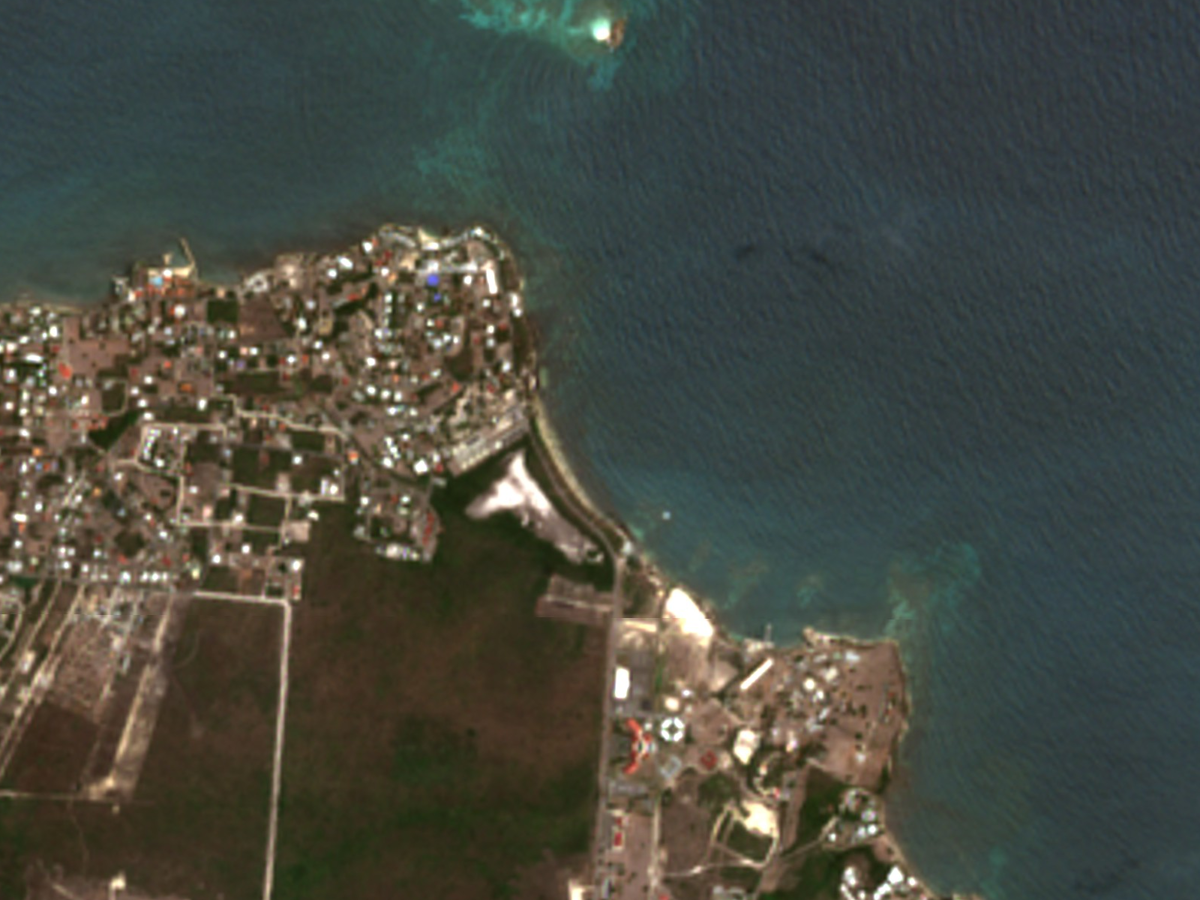
Jabberwock Beach sits on the northeast coast of Antigua, about ten minutes from V.C. Bird International Airport — one of the more convenient kite spots in the Caribbean to fly into and get on the water. The beach is set within a protected national park, backed by dense coastal vegetation and looking out over turquoise water that runs from jade shallows nearshore to open Caribbean blue beyond the reef. The launch is a sandy beach where ENE trade winds blow directly onshore at 15-25 knots. That onshore angle gives you a clean, powered-up rig spot, but it also means navigating a small shore break on the way in and out. Time your walk-in and the break is manageable; misjudge it on a bigger swell day and it demands proper attention. Once through, the water opens up considerably. Beyond the shore break you have a mix of bump-and-jump water and flatter sections sitting in the lee of the reef. That combination is what makes Jabberwock work for a wide range of riders. Beginners can find calmer pockets behind the reef to practise basics without constant chop. Intermediates have the room and consistent breeze to start working on boosting, transitions, and speed runs. More experienced riders can target the shore break for wave riding when the swell cooperates. The usable kite window runs from 325° to 125°, which means the trade winds slot squarely into usable territory and hold their direction reliably. The ENE trade wind pattern that feeds this spot runs across much of the year. When it fills in, it holds. On lighter days the breeze can get soft closer to the beach, so aim for sessions where the forecast shows solid pressure rather than marginal numbers. No kite schools or rental operators are listed at the beach, so you need your own gear. The national park setting means the environment is protected — rig and land clear of any coastal greenery and follow any local access guidance on site. Post-session options are solid. Jabber Grubber is the natural first stop for food in the area. La Brussola, Sottovento Restaurant, and Le Bistro cover sit-down dining nearby. Drift Beach Bar and Cecilia's are good for something more relaxed. Beehive handles coffee and lighter bites, and Prickly Pear Beach Club at Hodges Bay Resort offers a more resort-style setting to round things out. For anyone passing through Antigua, Jabberwock is the obvious call: close to the airport, inside a national park, trade wind reliable, and with water that has something for most skill levels.
Best Season
Check the Breeza app for the current rideable window at Jabberwock Beach.
World Ranking
#50 worldwideRanked #50 worldwide — a kitesurf destination.
Location
Jabberwock Beach, Saint John's, Antigua and Barbuda, Antigua and Barbuda
Lat: 17.164597, Lon: -61.7999548
Facilities & Services
What's on the ground near the launch, mapped from open data:
Nearby spots to eat, drink & learn
- Kitesurf Antigua - Kitesurfing School and Rentals Kite school
- Kitesurfing School and Rentals Kite school
- CoolestCarib.com Caribbean Island Travel Info Directory Kite school
- Antigua / Jabberwock Beach, Antigua and Barbuda Kite school
- Kitesurf Antigua Kite school
- Kon Tiki Bar and Grill Restaurant
- Le Bistro Restaurant
- The Red Roof Beach Bar Restaurant
- The Water Front Bar & Grill Restaurant
- Mamma Mia Restaurant
- Jabber Grubber Restaurant
- Prickly Pear Beach Club @ Hodges Bay Resort Restaurant
- Salt Plage Restaurant
- Breezyswing Beach Bar Restaurant
- Beehive Bar / Café
- Hotels near Jabberwock Beach, Antigua and Barbuda Accommodation
- Jabberwock Beach Accommodation
- 11 Best Hotels in Saint John, Antigua & Barbuda Accommodation
- Beaches & Parks in Antigua & Barbuda (25 Listings) Accommodation
- $45+ FINEST Hotels Near Jabberwock Beach in St. John's Accommodation
- Hotels near Jabberwock Beach in St. John's Accommodation
Facilities data © OpenStreetMap contributors
When is the best time to kitesurf at Jabberwock Beach?
Timing depends on local conditions. Check the Breeza app for the current rideable window at Jabberwock Beach — it reads the live forecast against your gear and level.
Is Jabberwock Beach suitable for beginner kiters?
Suitability depends heavily on the day's conditions. Breeza reads your level alongside the forecast and gives you an honest verdict — including when it's a no.
What wind direction works at Jabberwock Beach?
Antigua's main kite beach on the NE coast; protected national park with prist... Breeza cross-references live wind direction against the spot's safe window to tell you if today's direction is rideable for your kite.
What kite size do you need at Jabberwock Beach?
Kite size at Jabberwock Beach depends on the day's wind strength and your weight. Most kiters rig between 10m and 14m. Breeza calculates the ideal size for your gear, so you know before you leave whether it's a go.
Is it safe to kitesurf at Jabberwock Beach?
Safety at Jabberwock Beach depends on conditions and your experience. Check for offshore-wind days, local hazards and emergency contacts before you launch. Breeza gives a rideability verdict that includes a safety flag when conditions are borderline for your level.
See if Jabberwock Beach is ridable right now — wind, direction, and a verdict for your gear.
Free · iOS & Android
You've already got wind data — the hard part is knowing what it means for you. Most kiters end up checking two, three, four apps and still asking: can I actually go? Breeza was built by a kiter who had the same problem. Feed it your gear, weight and level and it tells you if Jabberwock Beach is rideable right now. The answer, not the tabs.
Get the app Free on iOS and Android — see if Jabberwock Beach is rideable right now.Nearby Kitesurf Spots
Sources
- http://kitesurfantigua.com/
- https://www.antiguasearch.com/listing/kitesurf-antigua-kitesurfing-school-and-rentals
- https://www.orbitz.com/Jabberwock-Beach-Hotels.0-l6060819-0.Travel-Guide-Filter-Hotels
- https://nightly.media/profiles/antigua-and-barbuda/st-george/jabberwock-beach/
- https://www.fortlauderdalekitesurfing.com/caribbean-directory.php
- http://www.siboneybeachantigua.com/
- https://bestbeachbars.com/bars/breezyswing-beach-bar/
- https://www.visitantiguabarbuda.com/things-to-do/jabberwock-beach/
- https://www.opentable.com/landmark/restaurants-near-jabberwock-beach
- https://se.kiteforum.com/kitesurf/spot/antigua___jabberwock_beach
- https://www.agoda.com/city/saint-john-ag.html
- https://www.antiguasearch.com/category/beaches
- https://www.hotelplanner.com/Hotels/16961-NEAR-Jabberwock-Beach
- https://www.kitesurfantigua.com/
- https://www.hotelsone.com/landmark/ag/jabberwock-beach.html
- https://web.kite-and-windsurfing-guide.com/spots/kiteboarding-windsurfing-sup/jabberwock-beach-antigua.html