Kitesurfing Agiokambos
Περιφερειακή Ενότητα Ευβοίας, Ελλάς
Wind & Conditions
About Agiokambos
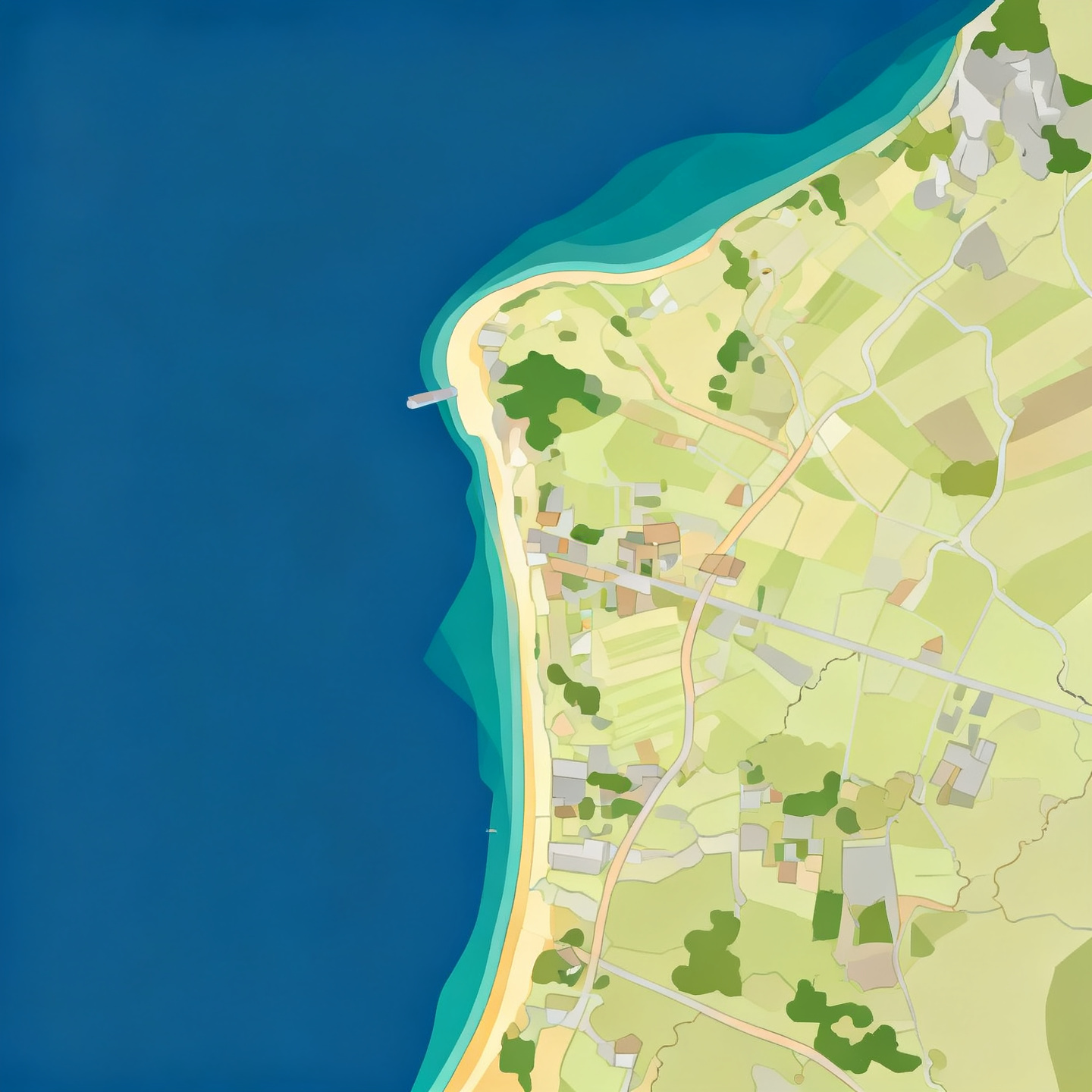
Tucked along the eastern coast of Euboea, Greece's second-largest island, Agiokambos is one of those spots that rewards the traveller willing to venture a little off the beaten kitesurf path. The drive in — whether you've crossed the bridge from the mainland at Chalkida or taken a ferry — winds through olive-covered hillsides before the road drops down to reveal a sweeping arc of sand and that unmistakable blue-green shimmer of the Aegean. First impression: this beach is enormous. At roughly 20 kilometres of sandy coastline, you're unlikely to feel crowded even on a busy weekend. The bay faces northeast, opening toward the Aegean Sea while a gently curving shoreline provides natural buffering from the largest open-water swells. That sheltered orientation makes Agiokambos feel more manageable than many exposed Aegean spots, though the conditions here are genuinely seasonal and worth understanding before you book your flights. The winter window — broadly November through to the end of March — is when the wind really shows up. Expect consistent thermal and synoptic winds that can build into real wave conditions above 5 Beaufort, turning the bay into an exciting ride for experienced kiters comfortable in choppier, wavier water. Those same sessions can be challenging for beginners, so honest self-assessment matters here in the colder months. Summer tells a different story entirely. During the warmer months, the winds tend to ease right back to somewhere between 4 and 10 knots — gentle thermal breezes that make this an appealing destination for newer riders looking to build hours in non-threatening conditions. The water is clear and turquoise, shallow close to shore with depth increasing as you move out, and the visibility can be spectacular on a calm morning. If you're learning or consolidating skills, a summer trip here could be exactly the low-pressure environment you need. Launching off the main beach is straightforward. The sandy surface is forgiving underfoot, there's room to lay out even a large kite without drama, and the gradual water entry means you can wade in before committing. Still, keep an eye on wind direction shifts — the northeast exposure means conditions can change in feel even when overall wind speed stays consistent. If the wind picks up beyond 5 Bft in winter, be ready for short, steep chop rather than clean open-ocean swells; fun and punchy, but it catches some riders off guard. On the practical side, Agiokambos is reasonably well-equipped for a spot of its size. There's a rescue service operating at the beach, along with shower and toilet facilities and food available nearby — more than you get at plenty of comparably-sized beaches in Greece. That safety net makes it easier to relax and focus on your riding rather than worrying about logistics. The best sessions here tend to belong to intermediate and advanced riders visiting between November and April, while summer offers a genuinely pleasant environment for beginners and lighter-wind freestyle. Either way, arrive with an open mind about conditions, bring a quiver that covers a range of wind strengths, and take a moment when you first get to the beach to just watch the water. Twenty kilometres of sand, clear water, and a reliable seasonal wind — Agiokambos earns its place on the Euboea kite map.
Local Tips
- conditionsArrive early and spend 10–15 minutes watching the water before rigging. The northeast-facing bay can produce subtle wind shifts that aren't obvious until you see how the water surface is behaving across the full width of the bay.
- gearPack a quiver. The gap between summer light-wind sessions (4–10 knots) and winter powered-up days (5 Bft+) is significant. A single kite won't serve you well across both scenarios — at minimum bring a small and a large option.
- safetyIn winter, treat the chop seriously. When wind builds above 5 Beaufort, the waves here are described as 'real' rather than just surface texture. If you're not confident in wave conditions, hold back and wait for a cleaner window.
- launchThe beach is vast, but pick your launch zone thoughtfully. Look for sections away from swimmers and any beach infrastructure, and make sure you have a clean, unobstructed downwind run before you launch.
- gearIf you're visiting in winter, a wetsuit of at least 4/3mm is likely necessary. Aegean water temperatures drop noticeably from December to February, and colder water combined with strong wind can accelerate fatigue faster than you expect.
- localFuel up before you hit the water. Food is available near the beach, but service times and availability outside of peak summer season can be unpredictable. A proper meal before a long winter session will make a real difference.
- conditionsSummer mornings at Agiokambos can be glassy and light — ideal for foilboarding or SUP before the afternoon thermal fills in. If you're a foiler, this is a spot worth timing around the morning window.
- safetyThe rescue service is a genuine asset, but flag your session plan with them when you arrive. A quick check-in — your name, kite colour, approximate session length — means they know who's out there if conditions deteriorate.
Photos

Best Season
Check the Breeza app for the current rideable window at Agiokambos.
World Ranking
RegionalNot globally ranked, but a kitesurf destination — a local favourite worth a check when the wind lines up.
When is the best time of year to kitesurf at Agiokambos?
The prime window for stronger, more consistent wind runs from November through to the end of March. Winter conditions can deliver real wave riding above 5 Beaufort. Summer months (roughly June to August) tend to see lighter winds of around 4–10 knots, which can suit beginners and those looking for mellow sessions.
What skill level is Agiokambos suitable for?
It depends heavily on the season. In winter, choppy water and stronger winds make Agiokambos best suited to intermediate and advanced riders who are comfortable handling waves and variable conditions. In summer, the lighter, steadier breezes make it a good option for beginners building confidence in calmer water.
What are the wind directions at Agiokambos?
The bay faces northeast into the Aegean Sea, and the prevailing winds during the winter season come predominantly from northeasterly and northerly directions. The sheltered shape of the bay offers some natural protection from the largest swells, though wind patterns can shift, so it's worth checking a forecast before heading out.
Are there any hazards to be aware of at the spot?
Two main ones worth noting. First, when wind exceeds 5 Beaufort — which is common in winter — the water becomes choppy with real wave action that can be demanding for less experienced riders. Second, while shallow near shore, water depth increases as you move out, so be aware of the depth gradient particularly if you're a beginner.
What kite size should I bring to Agiokambos?
Given the seasonal range, a quiver is strongly recommended. In winter with stronger winds (5 Bft and above), a smaller kite in the 7–10m range is likely to see regular use. For lighter summer days in the 4–10 knot range, a larger kite of 14–17m or even a foil setup would help you make the most of the conditions.
How do I get to Agiokambos, Euboea?
Euboea (Evia) is connected to the Greek mainland by a bridge at Chalkida, making it accessible by road from Athens in roughly 1.5–2 hours depending on traffic. Alternatively, ferry connections serve various points on the island. From the main road network on Euboea, Agiokambos is on the northeastern coast — a scenic drive through the interior of the island.
What facilities are available at the beach?
Agiokambos is reasonably well-equipped for a beach of its size. There is a rescue service, shower and toilet facilities, and food available nearby. It's a good idea to arrive with water and snacks regardless, particularly outside peak summer season when some services may have reduced hours.
What is the beach like for launching a kite?
The launch area is a wide, sandy beach stretching approximately 20 kilometres — one of the longer stretches in the region. The sandy surface is comfortable for rigging and launching, there's generally ample space even on busier days, and the gradual shallow entry into the water makes getting in and out manageable.
Is there a rescue service at Agiokambos?
Yes, a rescue service operates at the spot, which adds a useful safety layer particularly for those riding in the more challenging winter conditions. That said, always let someone know your plans, check conditions before launching, and don't rely solely on rescue cover as your safety plan.
Can I use Agiokambos for SUP or windsurfing as well as kitesurfing?
The bay's sheltered character, long sandy beach, and variable wind strengths across the seasons make it a reasonable option for SUP and windsurfing too. The clearer, calmer summer water in particular looks appealing for SUP. As always, check local rules and be aware of shared beach zones with swimmers.
When is the best time to kitesurf at Agiokambos?
Timing depends on local conditions. Check the Breeza app for the current rideable window at Agiokambos — it reads the live forecast against your gear and level.
Is Agiokambos suitable for beginner kiters?
Suitability depends heavily on the day's conditions. Breeza reads your level alongside the forecast and gives you an honest verdict — including when it's a no.
What wind direction works at Agiokambos?
Wind direction is critical at Agiokambos — the right angle makes the difference between a great session and an unsafe one. Breeza cross-references live wind direction against the spot's safe window to tell you if today's direction is rideable for your kite.
What kite size do you need at Agiokambos?
Kite size at Agiokambos depends on the day's wind strength and your weight. Most kiters rig between 10m and 14m. Breeza calculates the ideal size for your gear, so you know before you leave whether it's a go.
Is it safe to kitesurf at Agiokambos?
Safety at Agiokambos depends on conditions and your experience. Check for offshore-wind days, local hazards and emergency contacts before you launch. Breeza gives a rideability verdict that includes a safety flag when conditions are borderline for your level.
See if Agiokambos is ridable right now — wind, direction, and a verdict for your gear.
Free · launching on iOS & Android
You've already got wind data — the hard part is knowing what it means for you. Most kiters end up checking two, three, four apps and still asking: can I actually go? Breeza was built by a kiter who had the same problem. Feed it your gear, weight and level and it tells you if Agiokambos is rideable right now. The answer, not the tabs.
Join the waitlist App coming soon — be first to know when Agiokambos is live.