Kitesurfing 9 Beach
Israel
Wind & Conditions
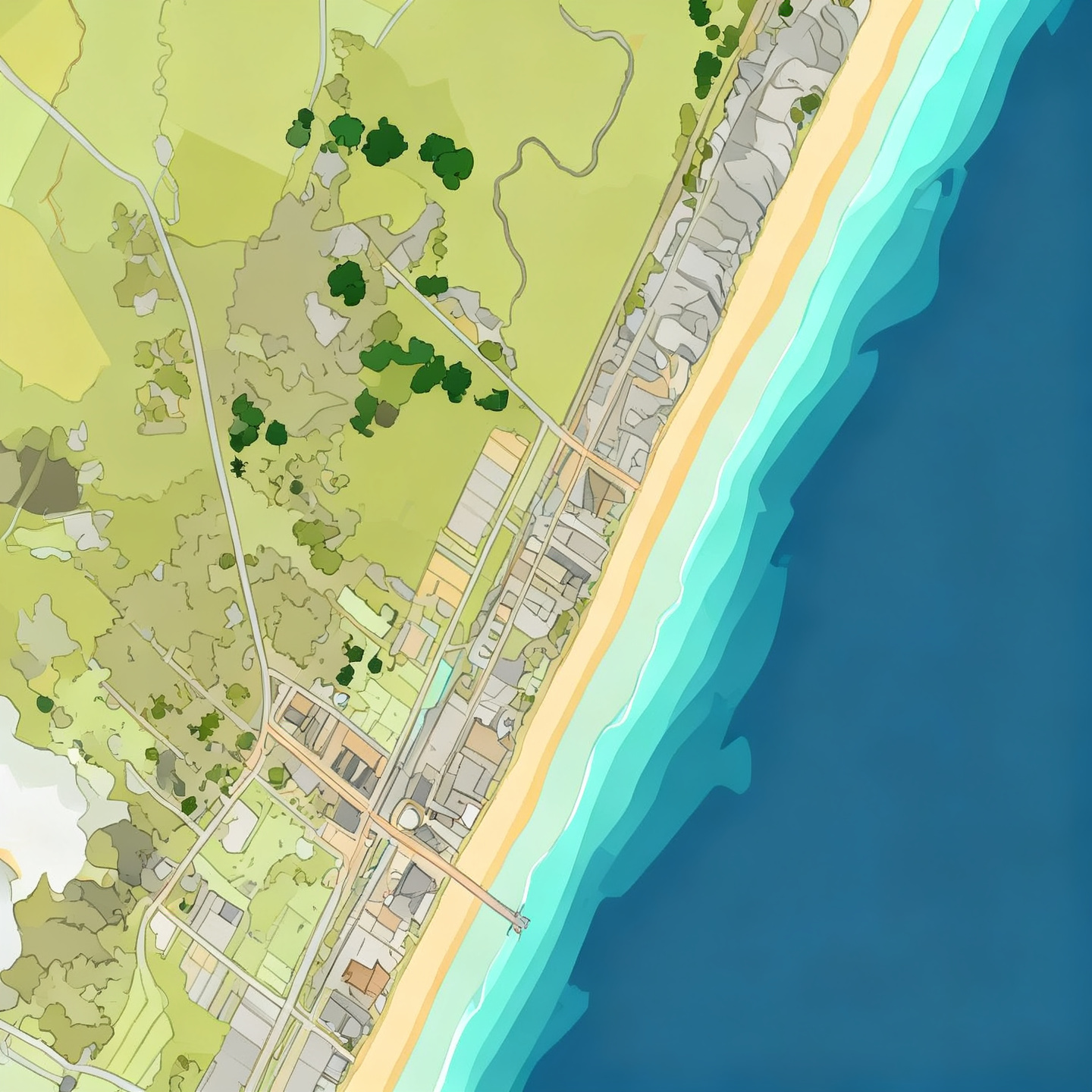
About 9 Beach
9 Beach is one of Israel's most talked-about kitesurfing destinations, sitting along the Mediterranean coastline where steady sea breezes and long stretches of open water make it a natural draw for riders of varying skill levels. The name itself — a nod to the numbered beach system common along Israel's coast — gives it a local, insider feel that matches the vibe you'll find when you arrive. Getting to 9 Beach is relatively straightforward if you're based in or around the Tel Aviv metropolitan area, where the coastal road network connects most of the popular beach zones. Depending on your starting point, you'll likely follow coastal or parallel arterial roads, with beach access points marked locally. Parking can get busy on weekends and during peak summer months, so arriving early tends to make life easier — both for securing a spot and for catching the morning thermal build before the crowds settle in. The launch area at 9 Beach is generally wide and sandy, which is a significant advantage when you're pumping up and rigging your kite. The beach profile is relatively flat and open, reducing the risk of gusty, disrupted airflow near the waterline. That said, the beach can get populated with swimmers and sunbathers during midday and afternoon hours, so clear communication with beachgoers and a solid awareness of your surroundings at launch is essential. Launching earlier in the day or toward the end of the afternoon session tends to offer more space. Wind conditions along this stretch of the Israeli Mediterranean coast are driven largely by the regional thermal pattern. A reliable afternoon sea breeze — locally known as the 'Sharav' influence in summer — tends to build through late morning and peak in the afternoon hours. The wind is generally cross-onshore to cross-shore in direction, which can be welcoming for intermediates who want a forgiving angle without being pushed too far out to sea. That said, wind strength and direction can shift, and conditions can vary meaningfully between seasons, so checking a reliable forecast source before heading out is always worthwhile. On the water, you'll find relatively flat to mildly choppy conditions in lighter winds, with a chop that builds as the breeze picks up. The Mediterranean here doesn't carry heavy swell most of the time, making it a reasonable venue for those working on technique, transitions, or early attempts at freestyle. More experienced riders will find enough punch in a solid afternoon session to have real fun, though it's not typically classified as a big-air destination. Facilities in the area are generally in line with what you'd expect from an established Israeli beach — amenities, food vendors, and changing options are usually accessible nearby, though the specifically kite-focused infrastructure can vary. It's worth arriving self-sufficient with your own water, sun protection, and any repair kit essentials. The best time to visit is broadly the warmer months from late spring through early autumn, when the thermal sea breeze is at its most consistent. Shoulder season sessions in spring and autumn can also deliver solid wind with fewer crowds. Winter sessions are possible but less reliable and cooler.
Local Tips
- launchArrive early on weekends and summer days — the beach fills quickly and securing a clear launch zone becomes significantly harder by midday.
- safetyAlways use a trained helper for launching and landing when the beach is crowded. A clean, controlled launch is especially important here given the mix of kite riders and general beach users.
- localPack your own water and sun protection. The Mediterranean sun is intense from late spring onward and adequate hydration and UV protection will extend your sessions considerably.
- gearA 9m to 12m kite covers the core afternoon sea breeze range well. Bring a larger kite option if you're planning early morning or shoulder-season sessions when the wind tends to be lighter.
- conditionsCheck your forecast carefully before heading out — the afternoon thermal sea breeze is generally reliable in summer, but timing and strength can vary. Building your session around the peak afternoon window typically delivers the best riding.
- safetyBe aware of designated swimming zones along the beach. Israeli beaches often have clearly marked areas for swimmers, and respecting those boundaries is both a safety and a legal consideration.
- launchIf the main launch zone feels congested, walk along the beach to find a quieter patch before rigging. A slightly less convenient spot with clear space is always preferable to a rushed launch in a crowded area.
- gearCarry a basic repair kit including spare bladders, a pump, and leash components. Kite-specific shops may not be immediately on-site, and being self-sufficient saves your session if minor gear issues arise.
Best Season
Check the Breeza app for the current rideable window at 9 Beach.
World Ranking
RegionalNot globally ranked, but a kitesurf destination — a local favourite worth a check when the wind lines up.
Facilities & Services
What's on the ground near the launch, mapped from open data:
Nearby spots to eat, drink & learn
- Bel-bouy Restaurant Restaurant
- Chrys's Restaurant Restaurant
- Dairy Queen Restaurant
- JJs Eatery Restaurant
- Mario's Pizza Restaurant
- Pier Fries Restaurant
- BGF Scottish Pub Bar / Café
- Last Call Sports Bar Bar / Café
- Mr. Goodbars Bar / Café
- One Soho Square Bar / Café
- The Whaler Bar / Café
Facilities data © OpenStreetMap contributors
What is the best season to kitesurf at 9 Beach in Israel?
The most consistent window is late spring through early autumn — roughly May to September — when the Mediterranean thermal sea breeze builds reliably in the afternoons. Summer months tend to offer the most frequent wind, though the beach also gets busier with swimmers. Shoulder seasons (April and October) can deliver good sessions with smaller crowds.
What skill level is 9 Beach suited for?
9 Beach looks like a reasonable option for intermediate riders thanks to its cross-shore to cross-onshore wind angle and generally manageable chop. Beginners should ideally have completed their lessons before heading out independently here, as beach crowds and variable conditions can add complexity. Advanced riders can enjoy the spot, though it's not a dedicated big-air or wave venue.
What wind direction is typical at 9 Beach?
The prevailing sea breeze tends to come in from a westerly to north-westerly direction along this part of the Israeli coast, producing a cross-shore to cross-onshore angle at the beach. This is generally considered a favorable direction for kitesurfing, though it's always worth confirming the specific angle on the day before launching.
What kite size should I use at 9 Beach?
A 9m to 12m kite covers a broad range of typical afternoon sea breeze conditions here. In lighter early-season or shoulder-season sessions, a 12m to 14m may be more appropriate. As always, your kite choice should reflect your weight, experience, and the specific forecast for the day.
Are there any notable hazards to be aware of?
Beach crowding is the primary concern, particularly during peak summer afternoons when swimmers and sunbathers fill the shoreline. Launching and landing with clear space can require patience and coordination. Always communicate clearly with beach users, use a trained helper where possible, and be mindful of any designated swimming zones.
How do I get to 9 Beach?
9 Beach is accessible via the coastal road network along Israel's Mediterranean shore, with connections from the Tel Aviv area making it reachable by car. Parking is available but can fill quickly on weekends and sunny afternoons, so arriving earlier in the day is advisable. Local signage and mapping apps generally make navigation to the numbered beaches along the coast manageable.
What are the launch conditions like?
The beach is generally sandy and relatively flat, providing decent space for rigging and launching. Wind flow near the waterline tends to be reasonably consistent due to the open coastal exposure. However, during busy periods the launch zone can be congested with other beachgoers, so timing and awareness are important.
What facilities are available at or near 9 Beach?
Basic beach facilities including food vendors, changing areas, and amenities are typically accessible nearby, consistent with established Israeli beach infrastructure. Dedicated kite-specific facilities may be limited, so it's wise to arrive self-sufficient — bring your own water, sunscreen, a basic repair kit, and any safety gear you rely on.
What are the water conditions like on the surface?
The Mediterranean here tends toward flat to mildly choppy conditions, depending on wind strength. Heavy swell is uncommon on typical session days, making it a workable venue for practicing technique, transitions, or early freestyle moves. Chop builds noticeably when the afternoon breeze is at its strongest.
Is 9 Beach suitable for beginners taking their first lessons?
It's not typically recommended as a beginner lesson location for someone with no prior kite experience, largely due to beach crowding and the need for solid situational awareness during launching. Those who have already completed a structured lesson course and are working on consolidating their water starts and basic riding would likely find the conditions manageable.
When is the best time to kitesurf at 9 Beach?
Timing depends on local conditions. Check the Breeza app for the current rideable window at 9 Beach — it reads the live forecast against your gear and level.
Is 9 Beach suitable for beginner kiters?
Suitability depends heavily on the day's conditions. Breeza reads your level alongside the forecast and gives you an honest verdict — including when it's a no.
What wind direction works at 9 Beach?
Wind direction is critical at 9 Beach — the right angle makes the difference between a great session and an unsafe one. Breeza cross-references live wind direction against the spot's safe window to tell you if today's direction is rideable for your kite.
What kite size do you need at 9 Beach?
Kite size at 9 Beach depends on the day's wind strength and your weight. Most kiters rig between 10m and 14m. Breeza calculates the ideal size for your gear, so you know before you leave whether it's a go.
Is it safe to kitesurf at 9 Beach?
Safety at 9 Beach depends on conditions and your experience. Check for offshore-wind days, local hazards and emergency contacts before you launch. Breeza gives a rideability verdict that includes a safety flag when conditions are borderline for your level.
See if 9 Beach is ridable right now — wind, direction, and a verdict for your gear.
Free · launching on iOS & Android
You've already got wind data — the hard part is knowing what it means for you. Most kiters end up checking two, three, four apps and still asking: can I actually go? Breeza was built by a kiter who had the same problem. Feed it your gear, weight and level and it tells you if 9 Beach is rideable right now. The answer, not the tabs.
Join the waitlist App coming soon — be first to know when 9 Beach is live.