Kitesurfing Amami Oshima
Kagoshima, Japan
Wind & Conditions
SE-facing coast of Amami Oshima island, Ryukyu chain. SE trade wind (120-155°, 12-20 kn) Apr-Oct side-onshore. Sub-tropical island with lush hills and coral-ringed bays; uncrowded. Domestic flights from Tokyo/Osaka.
About Amami Oshima
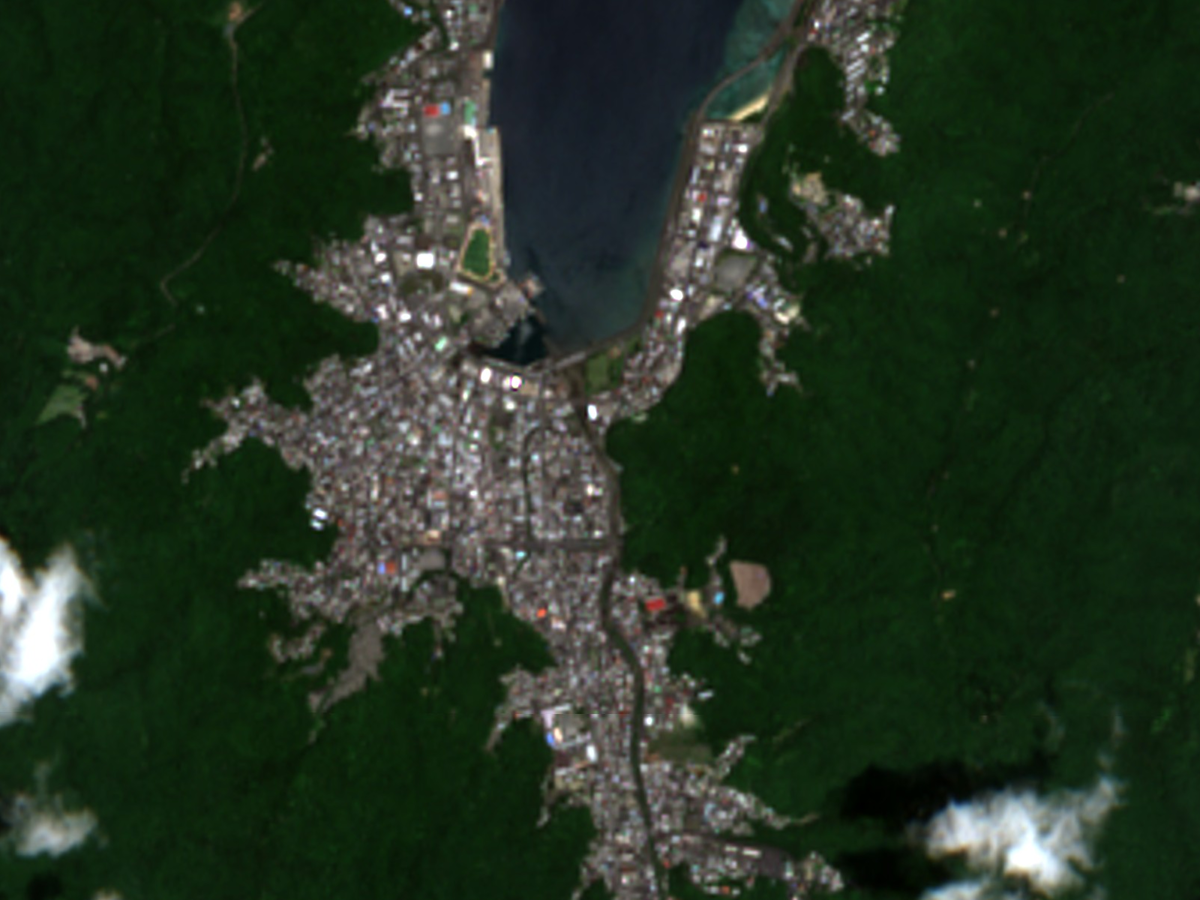
Amami Oshima sits in the northern Ryukyu chain, roughly halfway between Kyushu and Okinawa, and it stands out as one of Japan's genuinely uncrowded kite destinations. The island is sub-tropical — lush forested hills dropping to white-sand bays ringed with coral — and most of the kite world hasn't found it yet. Getting here means a domestic flight from Tokyo or Osaka into Amami Airport. Once on the island, the kite zone runs along the SE-facing coastline, where the trade wind arrives clean and largely unobstructed by the interior hills. From around April through October, a SE trade pushes through at roughly 120–155° and typically delivers 12–20 knots side-onshore to the beach. That direction is the sweet spot for this stretch of coast: it keeps you pushed toward the shoreline if something goes wrong, and it builds manageable chop rather than punishing open-ocean swell. The usable wind window runs from 50° through to 210°, giving enough margin to handle sea-breeze variation or slight direction shifts without things turning offshore. The bays are coral-ringed, and that shapes how you ride. Shallow reef sections sit close inshore on parts of the coastline, so booties are worth packing and you'll want to be clear on where the coral heads are before committing to a downwind run. Deeper water opens up beyond the reef line, but get local knowledge before pushing out — conditions vary between bays. This isn't a spot set up for mass tourism, and that's a significant part of its appeal. Sessions tend to be relaxed and uncrowded, and the scenery — subtropical forest meeting coral-fringed bays — makes a longer stay worthwhile even if the wind takes a day off. Accommodation ranges from beach camping to the Amami Port Tower Hotel in town, with additional camping grounds on the island for those who want to stay close to the water. For food and drinks after a session, ASIVI and Bar らいおんの穴 are both within a short walk of the coastal area. Amami no Sakanatachi is a local restaurant a short distance away. For instruction before heading out independently, Amami Oshima Surf School for Beginners covers kite lessons. There's also a wing and windsurf operation on the island for those wanting to try wingfoil formats while they're here. The SE trade is most consistent April through October. July through September overlaps with typhoon season, so keep a close eye on forecasts if you're visiting those months. Spring and early summer typically offer the cleanest conditions with the lowest typhoon risk, and the spot looks good for intermediates and above who are comfortable riding in open-water settings.
Best Season
Check the Breeza app for the current rideable window at Amami Oshima.
World Ranking
RegionalNot globally ranked, but a kitesurf destination — a local favourite worth a check when the wind lines up.
Facilities & Services
What's on the ground near the launch, mapped from open data:
Nearby spots to eat, drink & learn
- ON SHORE /オンショア Kite school
- Amami Oshima Surf School for Beginners Kite school
- Thrilling Summer Activities in Amami Oshima Kite school
- Amami Oshima/3 hours] Evolution of windsurfing and kite! Wingfoil ... Kite school
- Recommended plan! [Kagoshima] Challenge yourself! A thorough ... Kite school
- If you're looking for Amami Oshima surfing school, SUP, stand Kite school
- レストラン 愛かな Restaurant
- Sandwich Cafe Amami Restaurant
- シマ唄・島料理 itwu~まぁじん~ Restaurant
- FISHー魚屋がする居酒屋ー Restaurant
- 味の銀海 Restaurant
- 焼鳥屋てっちゃん Restaurant
- Torishin Restaurant
- The Cafes of Amami Oshima Restaurant
- コーヒー豆の堀口園 Bar / Café
- 奄美の居酒屋くん Bar / Café
- マウルカ Bar / Café
- サンドイッチカフェ Bar / Café
- 喫茶和 Bar / Café
- マヤスコ Bar / Café
- 奄美サンプラザホテル Accommodation
- 奄美観光ホテル Accommodation
- 奄美セントラルホテル Accommodation
- ウィークリーマンション かりゆし Accommodation
- en - Hostel & Cafe bar / 奄美大島カフェバー Accommodation
- Hotel New Amami Accommodation
- Beach camping, Amami Oshima, Kagoshima, Japan Accommodation
Facilities data © OpenStreetMap contributors
When is the best time to kitesurf at Amami Oshima?
Timing depends on local conditions. Check the Breeza app for the current rideable window at Amami Oshima — it reads the live forecast against your gear and level.
Is Amami Oshima suitable for beginner kiters?
Suitability depends heavily on the day's conditions. Breeza reads your level alongside the forecast and gives you an honest verdict — including when it's a no.
What wind direction works at Amami Oshima?
SE-facing coast of Amami Oshima island, Ryukyu chain. SE trade wind (120-155°... Breeza cross-references live wind direction against the spot's safe window to tell you if today's direction is rideable for your kite.
What kite size do you need at Amami Oshima?
Wind at Amami Oshima tends toward moderate, so a 12–17m kite covers most sessions — adjusted for your body weight. Breeza works out the correct kite size for your setup and tells you whether today's conditions are actually worth rigging.
Is it safe to kitesurf at Amami Oshima?
Safety at Amami Oshima depends on conditions and your experience. Check for offshore-wind days, local hazards and emergency contacts before you launch. Breeza gives a rideability verdict that includes a safety flag when conditions are borderline for your level.
See if Amami Oshima is ridable right now — wind, direction, and a verdict for your gear.
Free · iOS & Android
You've already got wind data — the hard part is knowing what it means for you. Most kiters end up checking two, three, four apps and still asking: can I actually go? Breeza was built by a kiter who had the same problem. Feed it your gear, weight and level and it tells you if Amami Oshima is rideable right now. The answer, not the tabs.
Get the app Free on iOS and Android — see if Amami Oshima is rideable right now.Nearby Kitesurf Spots
Sources
- https://breezbay-group.com/amami-pth/
- http://www.torishin.co.jp/
- https://hotelsundays.com/amami/
- https://www.japan-guide.com/forum/quereadisplay.html?0+181396
- https://www.kkday.com/en/product/142183?srsltid=AfmBOoprluDBqnTxCy4lZpPpnItJujJPJEdd0p5Evt_WwD2UNl_cX_Jm
- https://amami-tour.com/en/column/amamicamp
- https://mirucollection.com/unveiling-paradise-thrilling-summer-activities-in-amami-oshima-2/
- https://amami-tour.com/en/plan/surfing303
- https://www.newamami.com/
- https://japantravel.navitime.com/en/area/jp/guide/NTJtrv1202-en/
- https://en-amami.com/
- https://www.piscis.jp/
- https://en.activityjapan.com/publish/plan/58136
- https://nestatamami.com/en-restaurant
- https://luck-life.biz/
- https://www.amamionshore.com/
- https://kazbo.jp/en/
- http://www.bigmarine.co.jp/
- https://www.jal.co.jp/ar/en/guide-to-japan/destinations/articles/kagoshima/amami-oshima.html
- https://japantravel.navitime.com/en/area/jp/destinations/A08460006/spot/?categoryCode=0101010001&page=1
- https://www.kkday.com/en/product/537945?srsltid=AfmBOooz7hm68PpArXjHVDMFcv8CHo06WYe8yP8HjL94xv9MXcZvdHWG
- https://www.exploreamami.com/featured-articles/1764/
- https://www.tablethotels.com/en/amami-oshima-hotels
- https://ippei-janine.com/travel-japan-islands/_mg_5406/
- https://web.kite-and-windsurfing-guide.com/spots/kiteboarding-windsurfing-sup/amami-oshima.html