Kitesurfing Baarland
Zeeland, Netherlands
Wind & Conditions
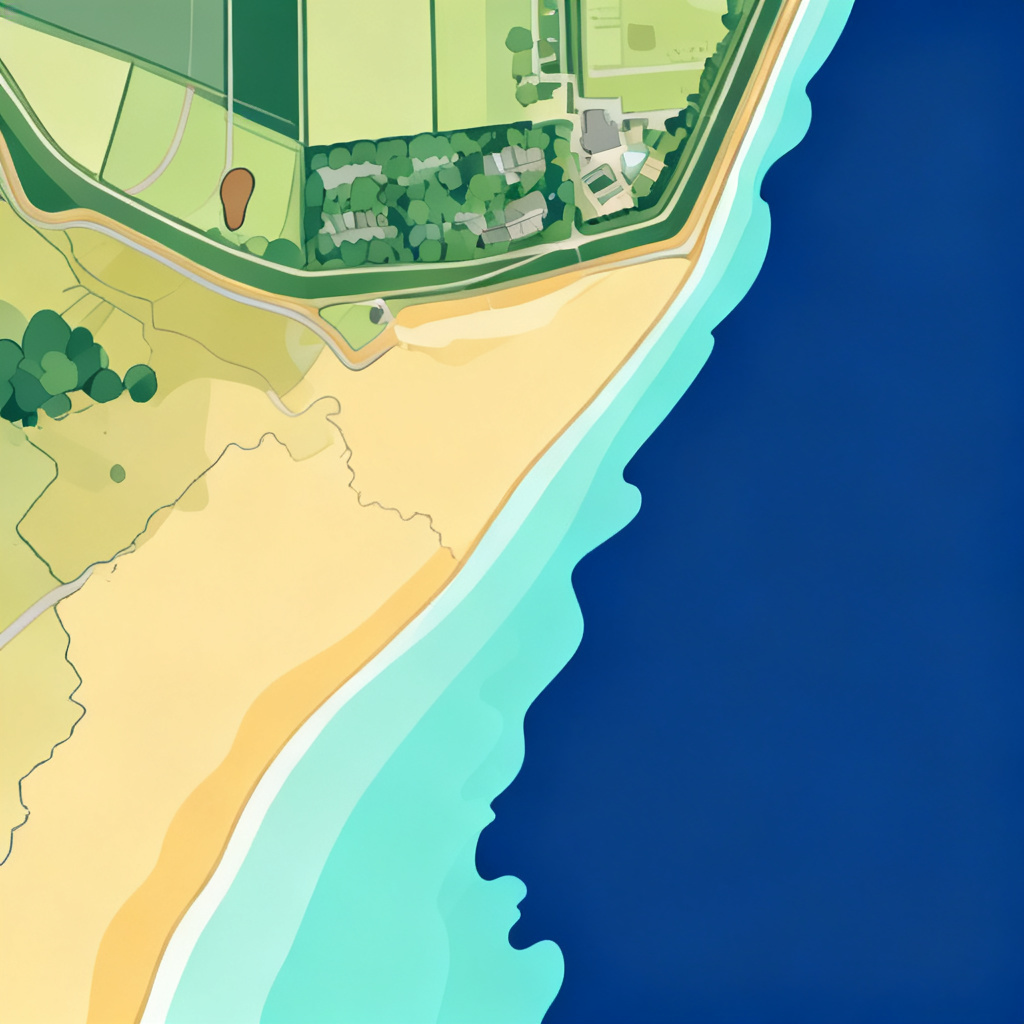
About Baarland
Tucked along the southern shore of the Westerschelde estuary in Zeeland, Baarland is one of those understated Dutch kitesurf spots that rewards riders willing to look beyond the obvious. The village itself is tiny — a cluster of polders and dykes where the land feels borrowed from the sea — and the approach sets the tone perfectly. Drive through the flat, wind-swept landscape of Zuid-Beveland and you'll start reading the trees for clues: bent willows and rustling reeds are your first wind gauge. Park near the dyke, gear up in the gravel layby, and walk your kite down to the waterline. The launch area sits on the edge of the Westerschelde, one of Europe's busiest shipping waterways, and that shapes everything about the experience here. The shoreline is a mix of sandy patches and tidal mudflats, so timing your session around the tide is not optional — it's essential. At low tide, large sections of the foreshore can expose slick, soft mud that makes launching and landing trickier than it looks. Aim for mid to high tide if you want clean water access and a more forgiving beach to work with. Wind-wise, Baarland sits in a corridor that channels southwesterly and westerly winds extremely well — the same winds that roll in off the North Sea and funnel along the estuary. When a solid southwesterly fills in, the spot can come alive with choppy, powered-up conditions that intermediates and above will find genuinely engaging. The water is generally flat to moderate chop rather than open-ocean waves, making it a reasonable place to work on freestyle basics or just clock some fast reaches across the wide estuary. Be aware, however, that the Westerschelde sees significant shipping traffic — large cargo vessels and tankers pass through regularly, and riders must stay well clear of the main channel. This is not a spot to drift downwind without paying attention. Currents in the estuary can be surprisingly strong, particularly around the tidal turns, and they can push you further than expected. Upwind ability matters here. Beginners would find the conditions and the hazards a genuine step up from a managed kitesurf school beach, so Baarland looks better suited to intermediate to advanced riders who are comfortable self-rescuing in moving water. After a session, the local facilities are modest but welcoming. Brasserie de Landing is the natural first stop — the kind of Dutch roadside brasserie where you can peel off a wetsuit, park your board, and order something warm without raising any eyebrows. Scheldeoord and Scheldo's Snackcorner round out the options nearby, keeping hunger very much solvable. The best window for kiting at Baarland tends to run from spring through early autumn, with May to September offering the most reliable combination of warmth and wind. Midsummer can produce light patches, so keeping an eye on the synoptic charts pays off. The spot has a raw, unpolished character that Dutch kite spots often carry — no kite schools on the beach, no rescue boats buzzing around — and that's exactly what draws riders who prefer a quieter, more self-reliant experience on the water.
Local Tips
- launchAlways check the tide before driving out. Mid to high tide gives you clean beach access and avoids the mudflat scramble that low tide can bring — slick mud and kite lines are a frustrating combination.
- safetyNever drift toward the main Westerschelde shipping channel. Large cargo ships have limited ability to manoeuvre and will not stop for kitesurfers. Stay in the nearshore zone and maintain constant awareness of vessel traffic.
- safetyEstuary currents can be deceptively strong around tidal turns. If you feel yourself being pushed sideways faster than expected, head back to the launch zone immediately rather than attempting a long downwind recovery.
- localBring a small kit bag with a change of clothes and a towel to Brasserie de Landing. The staff are relaxed about kitesurfers coming in post-session, and a warm drink after a cold Zeeland session makes a real difference.
- gearFor southwesterly days, a 9–11m kite is a solid starting point. Wind in the Westerschelde corridor can build faster than open coast spots as fronts pass through, so err on the smaller side if the forecast looks dynamic.
- gearA 4/3mm wetsuit is comfortable for most of the season, but a 5/4mm with booties is worth considering for early spring and late autumn sessions when the Zeeland water temperature drops into single figures.
- conditionsThe flat polder landscape around Baarland means wind readings on the dyke can feel stronger than what you actually experience once on the water — the estuary can create localised lulls. Do a brief power test before committing to a smaller kite.
- safetyHave a clear self-rescue plan before launching. There are no rescue boats patrolling this stretch of the Westerschelde, and the combination of currents, shipping traffic, and tidal mud means a water rescue here is significantly more complicated than at a managed beach.
Best Season
Check the Breeza app for the current rideable window at Baarland.
World Ranking
RegionalNot globally ranked, but a kitesurf destination — a local favourite worth a check when the wind lines up.
Facilities & Services
What's on the ground near the launch, mapped from open data:
Nearby spots to eat, drink & learn
- Scheldeoord Restaurant
- Scheldo's Snackcorner Restaurant
- Brasserie de Landing Bar / Café
Facilities data © OpenStreetMap contributors
What is the best season to kitesurf at Baarland?
Spring through early autumn — roughly April to September — tends to offer the most usable conditions. Southwesterly winds are most consistent in spring and autumn. Midsummer can have lighter spells, but when a front rolls in off the North Sea, the spot can deliver solid sessions.
What skill level is Baarland suitable for?
Baarland is best suited to intermediate and advanced riders. The tidal mudflats, strong estuary currents, and active shipping traffic create a more demanding environment than a managed kitesurf beach. Confident self-rescue skills and good upwind ability are genuinely useful here.
What wind directions work best at Baarland?
Southwesterly and westerly winds are the bread and butter at Baarland. The Westerschelde estuary tends to channel these directions well, producing cross-to-cross-onshore conditions along the southern shore. Northerly and easterly winds are less reliable and can create more challenging launching angles.
What kite size should I bring to Baarland?
For typical spring and autumn southwesterly sessions, a 9–12m kite covers a wide range of conditions. When North Sea fronts push through, wind can build quickly, so having a smaller 7–9m option available is sensible. Light wind summer days may call for a larger 12–14m if you want to stay on the water.
Are there any significant hazards to be aware of?
Yes — several. The Westerschelde is one of Europe's busiest shipping channels, and large cargo vessels pass through regularly. Riders must stay well clear of the main channel at all times. Tidal currents can be strong and will push you downwind faster than expected. Mudflats exposed at low tide can make launching and landing awkward and slippery.
How does the tide affect the spot?
Significantly. At low tide, soft mudflats can cover much of the foreshore, making water access difficult and launching less straightforward. Mid to high tide generally gives you the best beach conditions and cleaner water access. Always check a local tide table before heading out.
How do I get to Baarland?
Baarland is located on the Zuid-Beveland peninsula in Zeeland, accessible by car via the A58 motorway towards Goes, then south towards the Westerschelde shore. The drive from Rotterdam takes roughly an hour. There is limited parking near the dyke access points, so arriving early on busy days is advisable.
What facilities are available at Baarland?
Facilities are modest and in keeping with the village's quiet character. Brasserie de Landing is the closest bar and café to the spot and is welcoming to kitesurfers. Scheldeoord and Scheldo's Snackcorner provide additional food options nearby. There are no dedicated kitesurf schools or rental shops at the spot itself.
Is there a kitesurf school or rental at Baarland?
Not at the spot itself. Baarland is a self-service location — you bring your own gear and experience. If you are looking to take lessons or rent equipment, the larger kitesurf centres around Zeeland (such as those near Brouwersdam or Grevelingenmeer) are better equipped to help.
What is the water like at Baarland — flat water or waves?
The Westerschelde at Baarland produces estuary chop rather than ocean waves. Conditions tend to range from relatively flat on lighter days to moderate, irregular chop when the wind builds. It is not a wave spot, but the chop can be punchy and the currents add an extra dynamic that keeps things interesting.
When is the best time to kitesurf at Baarland?
Timing depends on local conditions. Check the Breeza app for the current rideable window at Baarland — it reads the live forecast against your gear and level.
Is Baarland suitable for beginner kiters?
Suitability depends heavily on the day's conditions. Breeza reads your level alongside the forecast and gives you an honest verdict — including when it's a no.
What wind direction works at Baarland?
Wind direction is critical at Baarland — the right angle makes the difference between a great session and an unsafe one. Breeza cross-references live wind direction against the spot's safe window to tell you if today's direction is rideable for your kite.
What kite size do you need at Baarland?
Kite size at Baarland depends on the day's wind strength and your weight. Most kiters rig between 10m and 14m. Breeza calculates the ideal size for your gear, so you know before you leave whether it's a go.
Is it safe to kitesurf at Baarland?
Safety at Baarland depends on conditions and your experience. Check for offshore-wind days, local hazards and emergency contacts before you launch. Breeza gives a rideability verdict that includes a safety flag when conditions are borderline for your level.
See if Baarland is ridable right now — wind, direction, and a verdict for your gear.
Free · launching on iOS & Android
You've already got wind data — the hard part is knowing what it means for you. Most kiters end up checking two, three, four apps and still asking: can I actually go? Breeza was built by a kiter who had the same problem. Feed it your gear, weight and level and it tells you if Baarland is rideable right now. The answer, not the tabs.
Join the waitlist App coming soon — be first to know when Baarland is live.