Kitesurfing Schellinkhout
North Holland, Netherlands
Wind & Conditions
About Schellinkhout
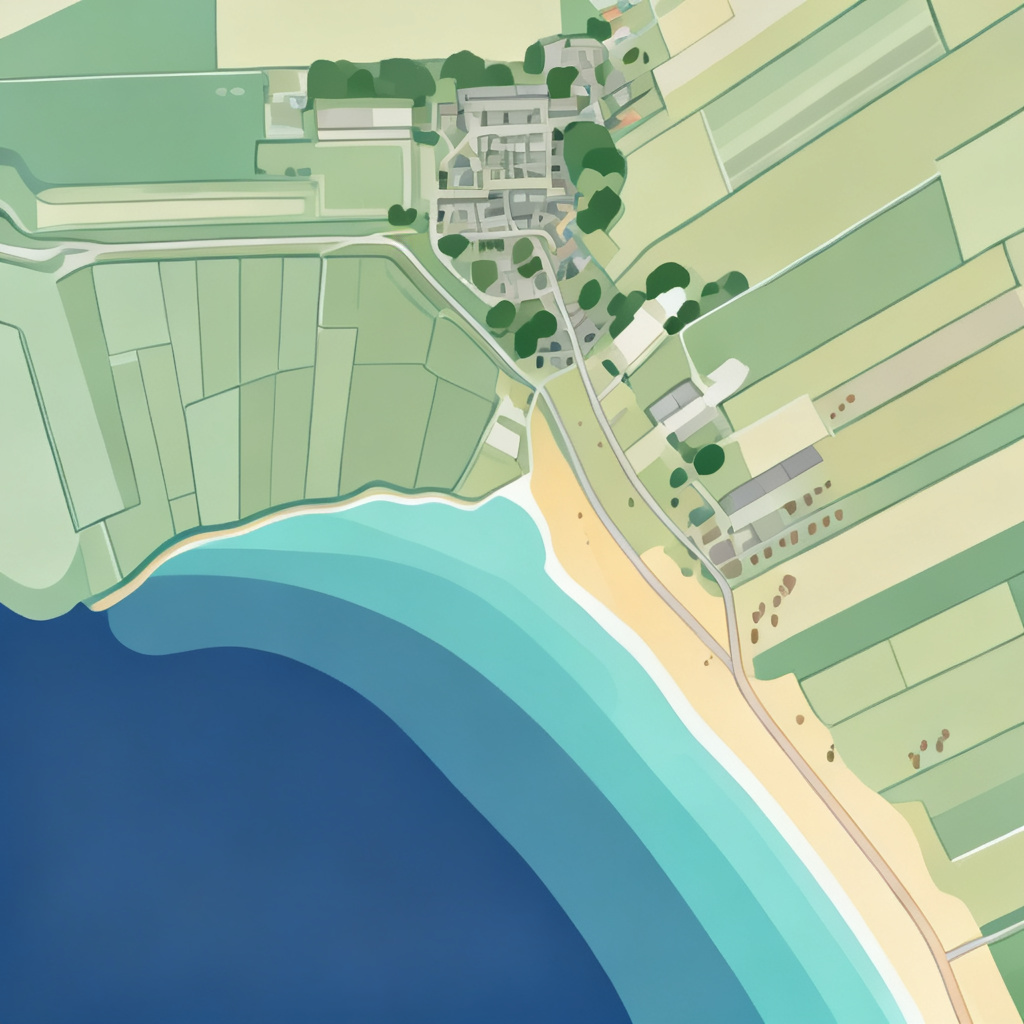
Schellinkhout is one of those quietly rewarding kitesurf spots that rewards the curious traveller willing to venture just beyond the obvious. Tucked along the southwestern shore of the IJsselmeer in North Holland, this small village sits about 3 kilometres southeast of Hoorn in the historic region of West-Frisia — close enough to civilisation to feel comfortable, far enough out to feel like a genuine find. Getting here is straightforward if you're driving. Hoorn is well connected by train from Amsterdam, and from there Schellinkhout is an easy bike ride or short car journey along quiet Dutch countryside roads. The landscape on the approach is classic North Holland — flat, open, and windy by nature — which is a reassuring sign before you even see the water. The launch area sits right at the border of the IJsselmeer, the vast inland sea that was once the southern arm of the Zuiderzee. The shoreline here is relatively modest in scale, so it pays to arrive early, scout the beach carefully, and give yourself plenty of room to rig without crowding other water users. The water's edge can be soft and grassy in places, so come prepared with footwear you don't mind getting muddy on the walk down. Once on the water, the IJsselmeer opens up generously. Because it's a closed inland sea, there's no tidal surge or ocean swell to contend with — instead you get a choppier, short-period wave pattern that builds quickly when the wind picks up. This can make for lively sessions that feel more demanding than the flat-water label might suggest. Beginners should approach with caution; intermediates and up will likely feel right at home, especially on a good westerly or southwesterly. The prevailing winds across this part of the IJsselmeer tend to come from the southwest, which can create side-onshore conditions depending on your exact position along the bank. Wind acceleration across the open water is possible, so it's worth sizing down if you're unsure — the IJsselmeer has a habit of delivering more than the morning forecast implies. There is a kite school operating in the area, which is a useful resource whether you're looking for a refresher, local knowledge, or a safety net if anything goes sideways. Hazards to keep in mind include other water users — sailing clubs are active on the IJsselmeer, and Hoorn has a busy marina culture — as well as the reed beds and shallow margins near the shore. Downwind drift should be managed carefully, and self-rescue skills are genuinely useful here given the relatively sparse rescue infrastructure compared to a busy beach resort. Facilities in the village itself are limited but the charm of the setting makes up for it. Hoorn, just minutes away, covers most practical needs including food, accommodation, and gear shops. The best months to plan a session here are typically April through September, when daylight is long, temperatures are manageable, and westerly winds are most consistent. Autumn can bring strong sessions for experienced riders willing to layer up.
Local Tips
- launchArrive early on weekend days — the IJsselmeer shoreline near Schellinkhout sees a mix of sailors, SUP users, and kiters, and space for a clean kite launch can be tighter than it first appears.
- launchWear footwear you're comfortable getting muddy. The bank near the water's edge can be soft and grassy, especially after rain, and a slippery walk to the water's edge is best tackled with old wetsuit boots rather than bare feet.
- conditionsSize down if you're unsure about the wind. The open fetch of the IJsselmeer allows wind to build across the water's surface and conditions can strengthen noticeably between your initial assessment on shore and 10 minutes into your session.
- safetyBrush up on self-rescue technique before heading out. The IJsselmeer is wide and rescue infrastructure is not as immediate as at purpose-built kitesurf resorts. Knowing how to body drag upwind and relaunch independently is genuinely valuable here.
- safetyKeep a sharp eye on sailing traffic, especially on summer weekends. Hoorn has an active sailing community and larger vessels have right of way — always look downwind and across your path before committing to a long reach.
- localUse Hoorn as your base. The town has good train connections from Amsterdam, a range of accommodation options, and enough amenities to sort out forgotten gear or grab a post-session meal. Schellinkhout itself is quiet and charming but not set up for extended visitor stays.
- gearA directional or hybrid board can add variety on the IJsselmeer's choppier days — the short-period waves aren't ideal for pure freestyle but can be genuinely fun for wave-style riding if you're comfortable on a board with more rocker.
- conditionsCheck the morning wind trend rather than just a single forecast snapshot. IJsselmeer conditions can evolve through the day as thermals interact with the prevailing westerlies — afternoons often bring stronger and gustier conditions than the morning session.
Best Season
Check the Breeza app for the current rideable window at Schellinkhout.
World Ranking
RegionalNot globally ranked, but a kitesurf destination — a local favourite worth a check when the wind lines up.
Facilities & Services
What's on the ground near the launch, mapped from open data:
Nearby spots to eat, drink & learn
- Schellinkhout Kite school
Facilities data © OpenStreetMap contributors
What is the best season to kitesurf at Schellinkhout?
April through September tends to offer the most reliable combination of wind and reasonable temperatures. Spring and early autumn can deliver strong, consistent westerlies, while summer offers longer daylight and warmer air. Winter sessions are possible for hardened riders but require a full wetsuit and good cold-weather preparation.
What skill level is Schellinkhout suited to?
The spot looks best suited to intermediate and advanced riders. The IJsselmeer's short, choppy waves and variable wind gusts can catch beginners off guard. If you're still learning, booking a lesson at the local kite school is a smart starting point before heading out independently.
What wind direction works best here?
Southwesterly and westerly winds are the most common and generally create workable side-onshore or side-shore conditions at Schellinkhout. Northerly winds can also produce sessions but may shift the ideal launch position along the bank. It's worth checking conditions carefully on the morning of your visit.
What kite size should I bring?
A versatile mid-range kite — something in the 9–12m range depending on your weight — covers most days here. The IJsselmeer can accelerate wind over open water, so it's generally safer to start with a smaller kite and work up rather than overpower yourself. Bringing two kites of different sizes is always a good idea.
Are there any notable hazards at this spot?
Yes — shallow margins and reed beds near the shore can be tricky during launch and landing. Sailing boats and other water traffic are common on the IJsselmeer, particularly on weekends and during summer. Downwinder drift is a real consideration given the inland sea layout, so keep track of your position at all times.
Is there a kite school at Schellinkhout?
Yes, there is a kite school operating at or near Schellinkhout. It's a useful resource for lessons, local knowledge, and guidance on the best launch points and conditions for the day. Booking in advance during peak season is advisable.
How do I get to Schellinkhout?
By car, Schellinkhout is easily reached via Hoorn, which sits about 3 kilometres to the northwest. Hoorn has a train station with regular services from Amsterdam (approximately 30–40 minutes). From Hoorn, Schellinkhout is a short taxi, bus, or bike ride away. The flat Dutch terrain makes cycling a genuinely pleasant option.
What are the water conditions like on the IJsselmeer?
The IJsselmeer is a large enclosed inland sea, so there's no tidal influence or ocean swell. Instead, wind generates short, steep, choppy waves that can build surprisingly quickly. It's not the glassy flat water some assume — it can be quite physical on a strong wind day, which is part of what makes it interesting for experienced riders.
What facilities are available at the spot itself?
Facilities directly at Schellinkhout are modest — it's a small village rather than a developed watersports hub. However, Hoorn nearby provides good access to restaurants, accommodation, supermarkets, and some watersports retail. Plan ahead and don't rely on finding everything you need on-site.
Is the launch area crowded?
Schellinkhout is not one of the busiest spots in the Netherlands, which is part of its appeal. That said, it can see increased traffic on summer weekends, particularly with sailors and other water users sharing the space. Arriving early gives you the best chance of a relaxed setup and a clean launch window.
When is the best time to kitesurf at Schellinkhout?
Timing depends on local conditions. Check the Breeza app for the current rideable window at Schellinkhout — it reads the live forecast against your gear and level.
Is Schellinkhout suitable for beginner kiters?
Suitability depends heavily on the day's conditions. Breeza reads your level alongside the forecast and gives you an honest verdict — including when it's a no.
What wind direction works at Schellinkhout?
Wind direction is critical at Schellinkhout — the right angle makes the difference between a great session and an unsafe one. Breeza cross-references live wind direction against the spot's safe window to tell you if today's direction is rideable for your kite.
What kite size do you need at Schellinkhout?
Kite size at Schellinkhout depends on the day's wind strength and your weight. Most kiters rig between 10m and 14m. Breeza calculates the ideal size for your gear, so you know before you leave whether it's a go.
Is it safe to kitesurf at Schellinkhout?
Safety at Schellinkhout depends on conditions and your experience. Check for offshore-wind days, local hazards and emergency contacts before you launch. Breeza gives a rideability verdict that includes a safety flag when conditions are borderline for your level.
See if Schellinkhout is ridable right now — wind, direction, and a verdict for your gear.
Free · launching on iOS & Android
You've already got wind data — the hard part is knowing what it means for you. Most kiters end up checking two, three, four apps and still asking: can I actually go? Breeza was built by a kiter who had the same problem. Feed it your gear, weight and level and it tells you if Schellinkhout is rideable right now. The answer, not the tabs.
Join the waitlist App coming soon — be first to know when Schellinkhout is live.