Kitesurfing Alhoceima
Spain
Wind & Conditions
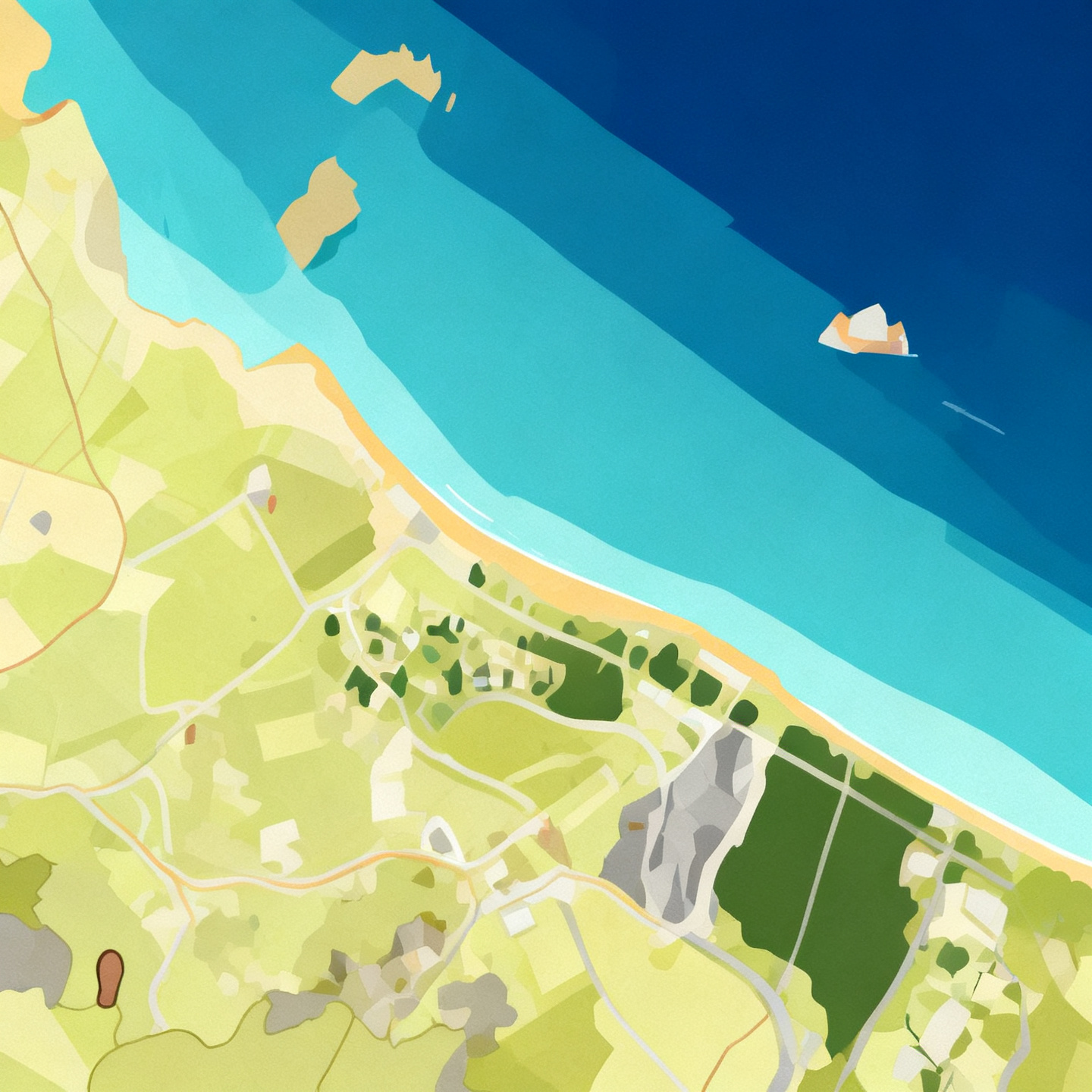
About Alhoceima
Tucked into the rugged southern shore of the Alboran Sea, Al Hoceima sits at a fascinating crossroads — geographically in Morocco but carrying a distinctly Mediterranean character shaped by its Spanish colonial past. For kitesurfers willing to make the journey to this relatively off-the-radar destination, the reward is uncrowded water, dramatic mountain backdrops, and a riding experience that feels genuinely exploratory. Getting here takes a little planning. Most riders fly into Al Hoceima Cherif Al Idrissi Airport, which has connections from several European cities, particularly during summer. Alternatively, a scenic drive along the Rif mountain coastline from Tetouan or Nador is an adventure in itself, with the Mediterranean glittering below hairpin bends the whole way. Once in town, the bay area is accessible and the local vibe is relaxed — this is not a developed kite resort, and that is very much part of the appeal. The launch area around the bay offers a sandy beach setup with generally manageable entry points, though conditions can vary depending on the season and swell direction. The Alboran Sea here is influenced by both Atlantic weather systems pushing through the Strait of Gibraltar and more localised thermal winds generated by the sun-baked Rif mountains behind the town. This creates a wind window that can be surprisingly consistent during summer months, though it rewards riders who check forecasts carefully rather than assuming reliable daily sessions. Wind tends to come predominantly from the westerly and north-westerly quadrants, often building through the afternoon as thermal activity increases. Sessions in the morning can be glassy and light, making it worth a slower start to your day — perhaps at Cafe Numibia nearby, which offers a welcome coffee stop before you rig up. Afternoons can see the breeze filling in meaningfully, and flat-to-choppy water inside the bay gives intermediates and above a solid playground. More exposed sections outside the bay can produce a lumpier ride when swell is running, which experienced riders may find appealing for some powered-up action. Hazards to be aware of include rocky outcrops along sections of the coastline — always scout your launch and landing zone before rigging, and identify your downwind exit carefully. The bay itself has boat traffic during peak summer months, so staying aware of your surroundings on the water is important. Given the relatively uncommercialised nature of the spot, there is no dedicated kite school or rescue infrastructure on the beach, so this is really a destination for self-sufficient riders with solid water skills. The best window for a visit looks to be late spring through to early autumn, with June, July, and August offering the most consistent thermal wind patterns. Water temperatures are genuinely pleasant by midsummer, and the town itself comes alive with a warm, unhurried Mediterranean rhythm. Al Hoceima is not trying to be Dakhla or Tarifa — and that honesty is exactly what makes it worth the detour.
Local Tips
- launchScout the beach on foot before rigging — identify any rocky sections downwind of your launch zone and choose a sandy exit path in case you need to land in a hurry.
- conditionsPlan your sessions around the afternoon thermal window. Mornings are often lighter, so use that time to check conditions and grab a coffee at Cafe Numibia before heading to the water.
- safetyAlways ride with a buddy here. There is no rescue infrastructure on the beach, so a self-rescue plan and a watchful partner onshore are essential parts of your session setup.
- gearBring a full quiver if possible. Wind variability at this spot means a single kite approach can leave you either underpowered on light days or scrambling to depower when the thermal strengthens unexpectedly.
- safetyKeep a close eye on boat traffic in the bay during summer, particularly on weekends and public holidays when local leisure craft are more active. Stay clear of ferry or fishing vessel routes.
- gearStock up on any kite repair supplies — leading edge bladders, repair tape, spare lines — before you arrive. Local access to kite equipment or specialist repairs is very limited in Al Hoceima.
- localThe Rif mountain roads can be slow and winding if you are driving in. Allow significantly more travel time than map distances suggest, and avoid driving after dark on the more remote mountain sections.
- launchWater shoes or reef boots are worth packing — entry and exit around parts of the bay can involve sharp rock underfoot, even where the main beach itself is sandy.
Best Season
Check the Breeza app for the current rideable window at Alhoceima.
World Ranking
RegionalNot globally ranked, but a kitesurf destination — a local favourite worth a check when the wind lines up.
Facilities & Services
What's on the ground near the launch, mapped from open data:
Nearby spots to eat, drink & learn
- Cafe Numibia Restaurant
Facilities data © OpenStreetMap contributors
When is the best time to kitesurf at Al Hoceima?
Late spring to early autumn — roughly May through September — tends to offer the most usable wind for kitesurfing. Thermal winds build most reliably in summer afternoons, with July and August generally being the most active months. Outside this window, wind can be more unpredictable and conditions less consistent.
What skill level is Al Hoceima suitable for?
Al Hoceima looks most suitable for intermediate to advanced riders. The spot lacks dedicated kite infrastructure, rescue services, or instructor presence on the beach, so beginners would be better served learning elsewhere first. Intermediate riders comfortable with self-sufficient sessions in variable conditions should find it manageable and rewarding.
What wind direction is typical at Al Hoceima?
Wind tends to arrive predominantly from westerly and north-westerly directions, often driven by Atlantic systems channelling through the Strait of Gibraltar region and reinforced by local thermal effects from the Rif mountains. Afternoon thermals can supplement the breeze meaningfully on otherwise lighter days.
What kite size should I bring to Al Hoceima?
Bringing a quiver covering a range is wise given the variability here. A 9–12m kite covers most usable summer sessions in moderate thermal wind, but having a larger kite (13–14m) for lighter days and a smaller option for when it picks up strongly gives you more flexibility. Conditions are not always predictable, so versatility matters.
Are there any significant hazards at this spot?
Yes — rocky outcrops along sections of the coastline are the main physical hazard, so scouting your launch and landing zone before rigging is essential. Summer boat traffic in the bay requires awareness on the water. There is no dedicated kite rescue service here, so always ride with a buddy and ensure your safety systems are in order.
How do I get to Al Hoceima?
Al Hoceima Cherif Al Idrissi Airport receives seasonal flights from several European cities and is the most convenient entry point. Driving along the Moroccan Mediterranean coast from Nador or Tetouan is also a popular option and offers spectacular scenery, though the mountain roads require patience. Ferries to northern Morocco followed by a coastal drive are another route some travellers use.
What facilities are available at the spot?
Facilities are limited compared to more developed kite destinations. Cafe Numibia is a nearby restaurant option for food and drinks. There is no dedicated kite shop, school, or equipment rental at the beach itself, so riders should arrive fully self-equipped and not rely on being able to source gear or repairs locally.
Is the water flat or choppy at Al Hoceima?
Inside the bay, water tends to be relatively flat to mildly choppy, making it a reasonable spot for working on freestyle or just powered cruising. More exposed sections outside the bay can get lumpier when swell is running from the west or northwest, which can provide a more dynamic ride for experienced riders looking for that.
Is Al Hoceima crowded on the water?
Not typically. This is a quiet, underdeveloped kite spot by international standards, and you are unlikely to encounter the crowded lineups found at more famous Mediterranean or Atlantic destinations. That said, boat traffic in summer warrants attention, as the bay is used by local fishing and leisure craft.
Is there accommodation near the kite spot?
Al Hoceima town has a reasonable selection of hotels and guesthouses to suit different budgets, from simple local options to more comfortable seafront properties. Booking ahead during the summer peak season is advisable, as the town attracts Moroccan holiday visitors alongside the small number of international kite travellers who make it here.
When is the best time to kitesurf at Alhoceima?
Timing depends on local conditions. Check the Breeza app for the current rideable window at Alhoceima — it reads the live forecast against your gear and level.
Is Alhoceima suitable for beginner kiters?
Suitability depends heavily on the day's conditions. Breeza reads your level alongside the forecast and gives you an honest verdict — including when it's a no.
What wind direction works at Alhoceima?
Wind direction is critical at Alhoceima — the right angle makes the difference between a great session and an unsafe one. Breeza cross-references live wind direction against the spot's safe window to tell you if today's direction is rideable for your kite.
What kite size do you need at Alhoceima?
Kite size at Alhoceima depends on the day's wind strength and your weight. Most kiters rig between 10m and 14m. Breeza calculates the ideal size for your gear, so you know before you leave whether it's a go.
Is it safe to kitesurf at Alhoceima?
Safety at Alhoceima depends on conditions and your experience. Check for offshore-wind days, local hazards and emergency contacts before you launch. Breeza gives a rideability verdict that includes a safety flag when conditions are borderline for your level.
See if Alhoceima is ridable right now — wind, direction, and a verdict for your gear.
Free · launching on iOS & Android
You've already got wind data — the hard part is knowing what it means for you. Most kiters end up checking two, three, four apps and still asking: can I actually go? Breeza was built by a kiter who had the same problem. Feed it your gear, weight and level and it tells you if Alhoceima is rideable right now. The answer, not the tabs.
Join the waitlist App coming soon — be first to know when Alhoceima is live.