Kitesurfing Cadzand-Bad Vlamingpolder
Zeeland, Netherlands
Wind & Conditions
About Cadzand-Bad Vlamingpolder
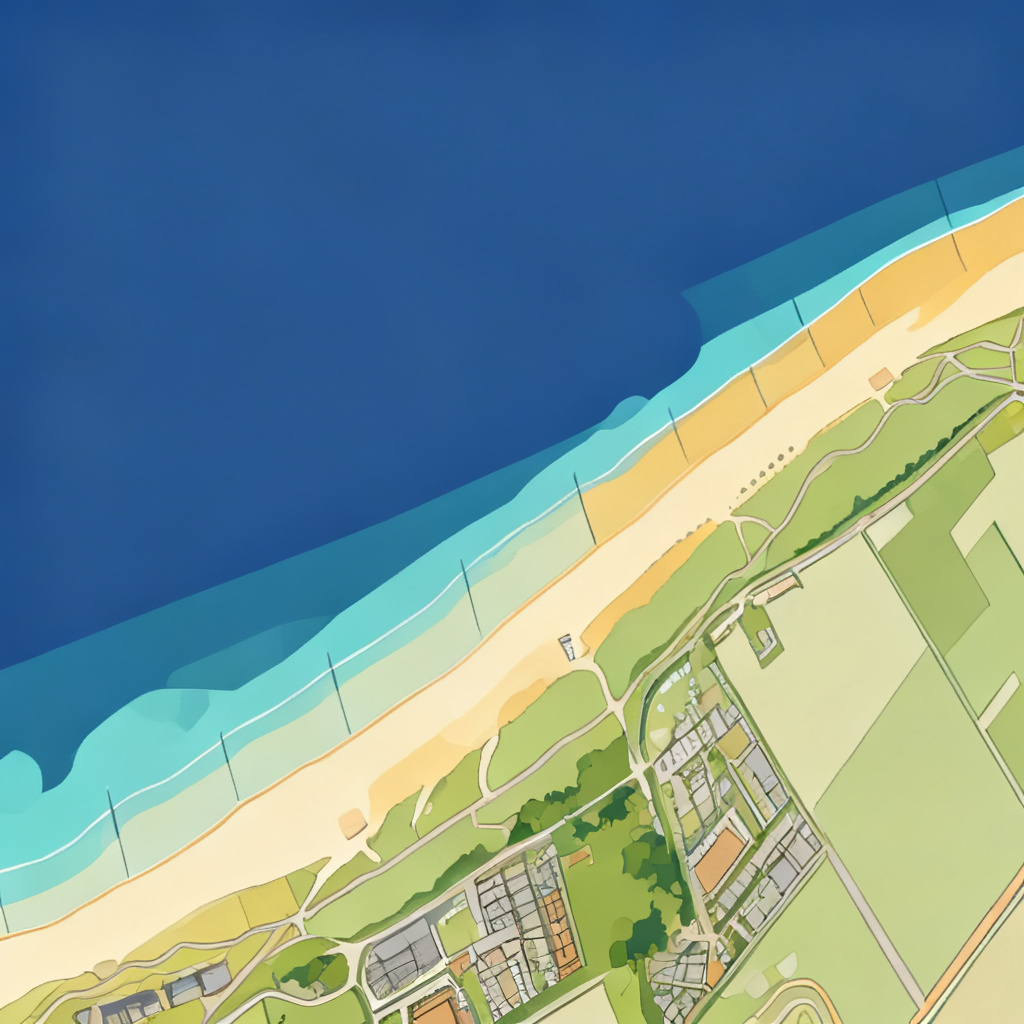
Tucked into the southwestern corner of Zeeland, right where the Belgian border meets the North Sea, Cadzand-Bad Vlamingpolder is one of those spots that rewards the kiters who make the effort to find it. The drive through the flat, wind-swept Zeelandic polder landscape is itself a kind of promise — the moment you see the reed-lined ditches bending in the breeze, you know the conditions are probably doing something interesting out front. The spot sits along a broad, sandy North Sea beach backed by dunes, giving you a generous stretch of shoreline to work with when it comes to setting up and launching. The beach is wide enough at low tide to spread your kite comfortably without feeling crowded, though summer weekends bring tourists and beach-goers, so situating yourself away from the busier sections is worth the extra five minutes of walking. The dune line provides some natural shelter during setup, but once you step onto the open sand you are fully exposed to whatever the North Sea is sending in — which is often quite a lot. Wind here is predominantly southwesterly to northwesterly, channelled efficiently across the open water of the North Sea with virtually no land obstruction for hundreds of kilometres. That fetch makes the conditions honest and fairly consistent when a weather system is moving through, but it also means the sea state can build quickly. Intermediate riders will find this place enjoyable on moderate days, while the choppier, windier sessions can be genuinely demanding — the kind of riding that sharpens your edge control and water re-launch skills in a hurry. Beginners should approach with caution and ideally have an experienced buddy alongside. The water in front of the beach is North Sea shallow for some distance out, which keeps the wave height manageable most of the time but also means tidal variation matters. Launching and landing at low tide gives you the most real estate; at high tide the beach narrows considerably and the shore break can be more aggressive. Checking the tide tables before you head out is simply part of the ritual here. Hazards to be aware of include the occasional groin structure along the beach, strong longshore currents when the wind has any northerly component, and seasonal shipping traffic visible on the horizon in the Westerschelde approaches. Keep your self-rescue skills current and always let someone onshore know your plan. After a session, Cadzand-Bad itself is a small, pleasantly unhurried seaside resort with a surprisingly good selection of places to eat and drink. Moio Beach is right on the waterfront and makes an obvious first stop. Brasserie LouLou and Le Sommet offer a more relaxed sit-down meal, while Frans Friet handles the classic post-session hunger efficiently. DOK14 and Bar NECTAR are solid options for a drink as the sun drops over the dunes. Brut sur Mer and DITA round out a dining scene that punches well above what you might expect from a village this size. Spring and autumn tend to offer the most consistent wind without peak tourist pressure, making those the favourite seasons for kiters in the know. If you are coming from Belgium or the southern Netherlands, the drive is straightforward. Pack for a proper North Sea session — wetsuit, booties when the water is cold, and a kite range that covers the 9–14 metre bracket depending on the forecast.
Local Tips
- launchWalk the beach before you rig. Identify any groin structures, swimming zones, or areas of heavy foot traffic so you can choose your launch point with confidence rather than rushing once your kite is in the air.
- conditionsAlways check the tide table alongside the wind forecast. Launching at or near low tide gives you far more beach space and a kinder shore break for both launching and landing.
- safetyEasterly winds are offshore at this beach — avoid going out in these conditions unless you have a properly equipped support boat and an agreed safety plan.
- gearPack a wetsuit with appropriate thickness for the season. The North Sea water temperature drops significantly in winter and early spring — 5/4mm with booties and gloves is not overkill from November through April.
- conditionsThe sea state can escalate quickly when the wind picks up on this open coast. If conditions look borderline on arrival, err toward a smaller kite — you can always depower, but getting overpowered in building chop far from shore is a different conversation.
- localMoio Beach on the waterfront is the easiest stop right after a session — rinse off, grab a seat, and decompress before the drive home. It tends to be busiest at peak summer hours, so arriving just after the lunch rush is usually smoother.
- safetyBrush up your self-rescue and body drag skills before visiting. The longshore currents can move you along the beach faster than expected, and being comfortable managing your kite in the water is genuinely useful here.
- localSpring and autumn weekday sessions offer the best combination of consistent wind and quiet beaches. If you can choose your timing, Tuesday through Thursday avoids both weekend crowds and the peak tourist season.
Best Season
Check the Breeza app for the current rideable window at Cadzand-Bad Vlamingpolder.
World Ranking
RegionalNot globally ranked, but a kitesurf destination — a local favourite worth a check when the wind lines up.
Location
Cadzand-Bad Vlamingpolder, Zeeland, Netherlands, Netherlands
Lat: 51.3873449, Lon: 3.4100322
Facilities & Services
What's on the ground near the launch, mapped from open data:
Nearby spots to eat, drink & learn
- Brasserie LouLou Restaurant
- Brut sur Mer Restaurant
- DITA Restaurant
- DOK14 Restaurant
- Frans Friet Restaurant
- Le Sommet Restaurant
- Bar NECTAR Bar / Café
Facilities data © OpenStreetMap contributors
What is the best season to kitesurf at Cadzand-Bad Vlamingpolder?
Spring (April–May) and autumn (September–October) tend to offer the most reliable wind combined with fewer beach crowds. Winter can produce strong sessions for experienced riders who are comfortable with cold water and gusty North Sea conditions, while summer is pleasant but wind can be lighter and the beach busier.
What skill level is this spot suited for?
The spot looks good for intermediates and above on moderate days. The open North Sea exposure, variable sea state, and strong tidal currents can make conditions challenging, so complete beginners are better off learning at a more sheltered location first. Advanced riders will enjoy the honest, powerful conditions when a solid system rolls through.
What wind directions work best here?
Southwesterly through northwesterly winds are the most common and work well for this beach, delivering a roughly side-onshore to side-shore angle that is generally manageable for launching and riding. Easterly winds are offshore here and should be avoided unless you are very experienced and have proper safety arrangements in place.
What kite size should I bring?
A quiver covering the 9 to 14 metre range covers most sessions. A 12m is a reasonable single-kite choice for average North Sea days, but having a smaller 9–10m option available is wise when stronger systems arrive. Always check the forecast carefully before committing to a kite size — conditions can change faster than expected.
How does the tide affect the spot?
Tidal variation is significant on this part of the North Sea coast. Low tide exposes a wide, flat beach that is ideal for setup and launching with plenty of room. High tide narrows the beach considerably and the shore break becomes more active. Checking tide tables before every session is strongly recommended.
Are there any notable hazards?
Yes — groins and wave-break structures are present along sections of the beach and should be identified before launching. Longshore currents can be strong when there is any northerly component to the wind. The sea state can build quickly given the long fetch. Additionally, the area is close to busy shipping lanes, so staying well inside the shipping corridor is important.
How do I get to Cadzand-Bad Vlamingpolder?
The spot is located in the far southwest of Zeeland in the Netherlands, very close to the Belgian border. By car from Bruges it is roughly 30 minutes; from Ghent about an hour. From the Dutch side, Sluis is the nearest larger town. Parking is available in and around Cadzand-Bad village, with a short walk to the beach. Public transport connections are limited, so a car is the practical choice for most visitors.
Is the launch area organised or informal?
The launch area is largely informal — there is no dedicated kite beach club infrastructure, so you will be working with the open beach. Give yourself enough space away from swimmers and sunbathers, particularly in summer. Walking a short distance along the beach to find a quieter stretch is usually worth the effort.
What facilities are available near the spot?
Cadzand-Bad village has a solid range of options for a seaside resort of its size. Moio Beach is convenient right on the waterfront. Brasserie LouLou, Le Sommet, Brut sur Mer, and DITA offer sit-down dining. DOK14 and Bar NECTAR are good for drinks. Frans Friet handles quick post-session food. There are no dedicated kite rental or lesson facilities on site, so come fully equipped.
Can I take lessons at this spot?
There are no dedicated kite schools operating directly at this beach as far as is known. If you are looking for lessons in the region, you will need to research schools in nearby Zeeland or the Belgian coast and check whether they travel to this location. For independent riders, the spot offers a great natural training ground once the basics are solid.
When is the best time to kitesurf at Cadzand-Bad Vlamingpolder?
Timing depends on local conditions. Check the Breeza app for the current rideable window at Cadzand-Bad Vlamingpolder — it reads the live forecast against your gear and level.
Is Cadzand-Bad Vlamingpolder suitable for beginner kiters?
Suitability depends heavily on the day's conditions. Breeza reads your level alongside the forecast and gives you an honest verdict — including when it's a no.
What wind direction works at Cadzand-Bad Vlamingpolder?
Wind direction is critical at Cadzand-Bad Vlamingpolder — the right angle makes the difference between a great session and an unsafe one. Breeza cross-references live wind direction against the spot's safe window to tell you if today's direction is rideable for your kite.
What kite size do you need at Cadzand-Bad Vlamingpolder?
Kite size at Cadzand-Bad Vlamingpolder depends on the day's wind strength and your weight. Most kiters rig between 10m and 14m. Breeza calculates the ideal size for your gear, so you know before you leave whether it's a go.
Is it safe to kitesurf at Cadzand-Bad Vlamingpolder?
Safety at Cadzand-Bad Vlamingpolder depends on conditions and your experience. Check for offshore-wind days, local hazards and emergency contacts before you launch. Breeza gives a rideability verdict that includes a safety flag when conditions are borderline for your level.
See if Cadzand-Bad Vlamingpolder is ridable right now — wind, direction, and a verdict for your gear.
Free · launching on iOS & Android
You've already got wind data — the hard part is knowing what it means for you. Most kiters end up checking two, three, four apps and still asking: can I actually go? Breeza was built by a kiter who had the same problem. Feed it your gear, weight and level and it tells you if Cadzand-Bad Vlamingpolder is rideable right now. The answer, not the tabs.
Join the waitlist App coming soon — be first to know when Cadzand-Bad Vlamingpolder is live.