Kitesurfing Breskens oost
Zeeland, Netherlands
Wind & Conditions
About Breskens oost
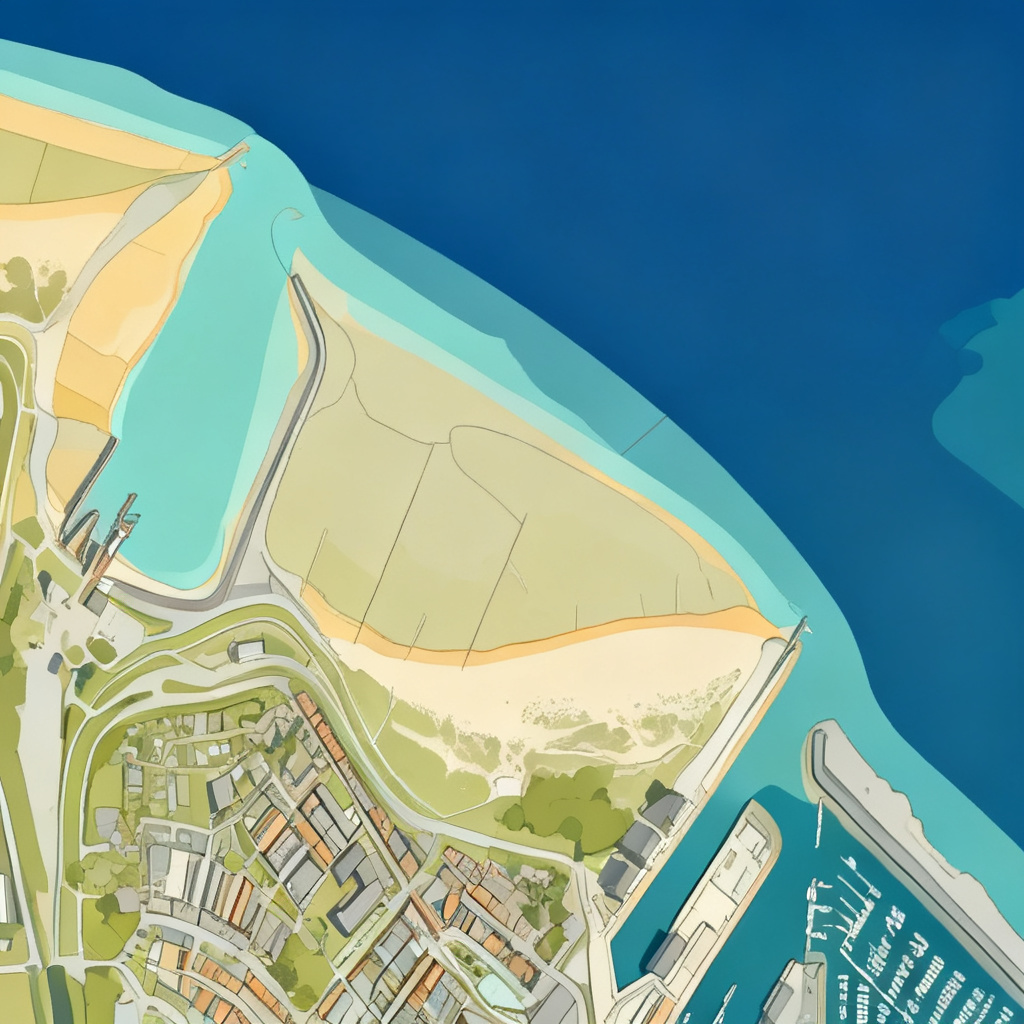
Tucked along the southern shore of the Western Scheldt estuary in Zeeland, Breskens Oost is one of those quietly rewarding spots that rewards kiters who make the effort to seek it out. The drive into Breskens itself sets the tone — flat polder landscapes stretching to the horizon, church towers rising above dykes, and the ever-present smell of salt air rolling in off the estuary. From the centre of Breskens, you follow the coastal road eastward until the open beach reveals itself, a broad sandy stretch backed by dunes and facing directly out onto the wide, grey-green waters of the Westerschelde. The launch area is relatively straightforward, with enough beach width to rig and self-launch comfortably when the spot is not overly busy. The tidal flat dynamics here mean the water depth and the shape of the rideable area shift meaningfully with the tide, so checking a local tide chart before heading out is genuinely worth the two minutes it takes. At lower tide, shallow sandbanks expose themselves further offshore, which can be useful for beginners to get footing but can also catch out riders who drift further than intended. Wind at Breskens Oost is strongly influenced by the SW to W flow that funnels across the North Sea and into the estuary. These directions tend to produce the most consistent and cleanest sessions, delivering side-to-side-onshore conditions that make the spot relatively forgiving. NW winds can also work well here. The flat-to-choppy estuary water is well-suited to freeride sessions and those learning to progress — it rarely produces the kind of powerful swell that demands expert-level commitment, though the shipping traffic on the Westerschelde is a genuine factor to respect. Large vessels move through the channel regularly and maintaining clear awareness of that traffic is non-negotiable. The water is cool for much of the year, meaning a 5/4mm wetsuit is appropriate from autumn through spring, with a 3/2mm typically sufficient in July and August. Summer sessions can be genuinely pleasant under a blue sky with steady Atlantic breezes pushing through, and this tends to be the peak window for visiting kiters. After you've packed down your kite, Breskens itself has a surprisingly lively selection of places to eat and drink given its modest size. Options range from relaxed bar-cafes like Beaufort and De Platte Knoop to sit-down restaurants including Da Bruno, Escobar, and Steakhouse The Bull — plenty of choices to refuel whatever your post-session appetite. Breskens aan Zee is a particularly convenient option given its coastal position. The town has a real end-of-the-road character that feels unhurried and genuine, which adds to the overall appeal of a trip here. For kiters based in Belgium or the southern Netherlands, Breskens Oost is a reachable day-trip destination. Those coming from further afield often combine it with other Zeeland spots across the region. Overall, this is a spot that looks well-suited to intermediate riders wanting reliable estuary conditions without crowds, with enough character and local colour to make the journey feel worthwhile.
Local Tips
- conditionsAlways check a local tide table before your session. The sandbanks shift significantly with the tide and can affect both the depth of the riding area and the distance to downwind hazards.
- safetyKeep constant awareness of vessel traffic in the Westerschelde shipping channel. Large cargo ships and tankers move through regularly and cannot manoeuvre for kitesurfers — maintain a generous buffer from the channel at all times.
- launchThe beach offers enough space to rig comfortably, but on summer weekends it can get busier with beachgoers. Rig early or toward the edges of the beach to give yourself and others plenty of room.
- safetyEstuary currents here can be deceptively strong. If you're unsure of the current direction on a given day, watch the water surface for a few minutes before launching — drifting debris or foam streaks will reveal what the water is doing.
- gearA 12m kite covers a wide range of the conditions you'll encounter here in summer, but packing a smaller option for stronger autumn or spring winds is worthwhile — wind can build quickly as Atlantic fronts pass through.
- localThe Vlissingen–Breskens ferry is a convenient and enjoyable way to arrive from the north. It cuts out significant driving and drops you directly into the town centre, a short ride from the eastern beach.
- conditionsSW and W winds are your friends at this spot. If the forecast shows those directions with 18 knots or above, Breskens Oost is likely to be on — plan your trip around those windows for the best sessions.
- gearBrine and estuary sediment can be tough on kite and bar components. Rinse your bar, lines and kite bladder valve with fresh water after each session to keep everything in good working order.
Best Season
Check the Breeza app for the current rideable window at Breskens oost.
World Ranking
RegionalNot globally ranked, but a kitesurf destination — a local favourite worth a check when the wind lines up.
Facilities & Services
What's on the ground near the launch, mapped from open data:
Nearby spots to eat, drink & learn
- Breskens aan Zee Restaurant
- Da Bruno Restaurant
- Escobar Restaurant
- Gino's grillhuis Restaurant
- J&B Restaurant
- Liefs Lies Restaurant
- Beaufort Bar / Café
- Café Centraal Bar / Café
- De Platte Knoop Bar / Café
Facilities data © OpenStreetMap contributors
What is the best season to kitesurf at Breskens Oost?
Summer — roughly June through August — tends to offer the most pleasant conditions, with warmer air and water temperatures combined with reasonably consistent SW/W winds. Spring and autumn can also produce solid sessions but expect cooler temperatures and more variable conditions. Winter is possible for experienced riders but cold and unpredictable.
What skill level is Breskens Oost suitable for?
The spot looks well-suited to intermediate kiters. The flat-to-choppy estuary water, relatively open beach, and generally side-to-side-onshore winds create a manageable environment for those progressing past beginner level. Beginners should be aware of tidal variations and the shipping channel before heading out.
Which wind directions work best at this spot?
SW and W winds are the most favoured directions, producing clean side-to-side-onshore flow across the beach. NW can also work reasonably well. Winds from other directions may create more onshore or offshore conditions, so checking the forecast carefully before each session is a good habit.
Are there any significant hazards to be aware of?
The most important hazard is the shipping traffic in the Westerschelde estuary. Large vessels pass through regularly and always have right of way — staying well clear of the main channel is essential. Tidal sandbanks shift the rideable area depending on water level, and currents in the estuary can be stronger than expected.
What kite size should I bring?
A versatile quiver covering roughly 9m to 12m works for most sessions at Breskens Oost. SW/W winds here can range from light-ish 15-knot breezes to solid 25-knot gusts, so having options is useful. A 12m or larger may be needed during lighter summer days, while a 9m or smaller suits stronger autumn sessions.
How do I get to Breskens Oost?
Breskens is located in the far southwest of the Netherlands in Zeeland. By car, you can approach via the N58/N61 road network in Zeeland. From Ghent in Belgium, it's roughly a 45-minute drive. From the north, a ferry connection runs between Vlissingen and Breskens across the estuary, which can be a scenic and practical route. Follow the coastal road east of the town centre to reach the spot.
Is there parking available at the spot?
There is generally parking available near the eastern beach area in Breskens, though capacity can be limited during busy summer weekends. Arriving earlier in the day helps secure a closer spot. Seasonal parking fees may apply.
What wetsuit thickness do I need?
A 5/4mm suit with boots is recommended from October through April. A 3/2mm is typically comfortable for July and August. May, June and September sit in between — a 4/3mm is a safe choice for those shoulder-season months. Water temperatures in the Westerschelde tend to run cooler than open North Sea beaches.
Are there facilities and places to eat near the spot?
Yes — Breskens has a good selection of bars, cafes and restaurants for a small town. Post-session options include Beaufort, De Platte Knoop and Café Centraal for drinks, and restaurants such as Da Bruno, Escobar, Breskens aan Zee, and Steakhouse The Bull for a proper meal.
Is the spot suitable for foiling?
The flat estuary water at Breskens Oost can be a reasonable foiling environment, particularly in lighter winds when the chop is manageable. However, awareness of the shifting sandbars at lower tide is important for foil riders — running aground in shallow water is a real risk if you stray into unmarked areas.
When is the best time to kitesurf at Breskens oost?
Timing depends on local conditions. Check the Breeza app for the current rideable window at Breskens oost — it reads the live forecast against your gear and level.
Is Breskens oost suitable for beginner kiters?
Suitability depends heavily on the day's conditions. Breeza reads your level alongside the forecast and gives you an honest verdict — including when it's a no.
What wind direction works at Breskens oost?
Wind direction is critical at Breskens oost — the right angle makes the difference between a great session and an unsafe one. Breeza cross-references live wind direction against the spot's safe window to tell you if today's direction is rideable for your kite.
What kite size do you need at Breskens oost?
Kite size at Breskens oost depends on the day's wind strength and your weight. Most kiters rig between 10m and 14m. Breeza calculates the ideal size for your gear, so you know before you leave whether it's a go.
Is it safe to kitesurf at Breskens oost?
Safety at Breskens oost depends on conditions and your experience. Check for offshore-wind days, local hazards and emergency contacts before you launch. Breeza gives a rideability verdict that includes a safety flag when conditions are borderline for your level.
See if Breskens oost is ridable right now — wind, direction, and a verdict for your gear.
Free · launching on iOS & Android
You've already got wind data — the hard part is knowing what it means for you. Most kiters end up checking two, three, four apps and still asking: can I actually go? Breeza was built by a kiter who had the same problem. Feed it your gear, weight and level and it tells you if Breskens oost is rideable right now. The answer, not the tabs.
Join the waitlist App coming soon — be first to know when Breskens oost is live.