Breeza

Kitesurfing Rockanje Noord

South Holland, Netherlands

Wind & Conditions

About Rockanje Noord

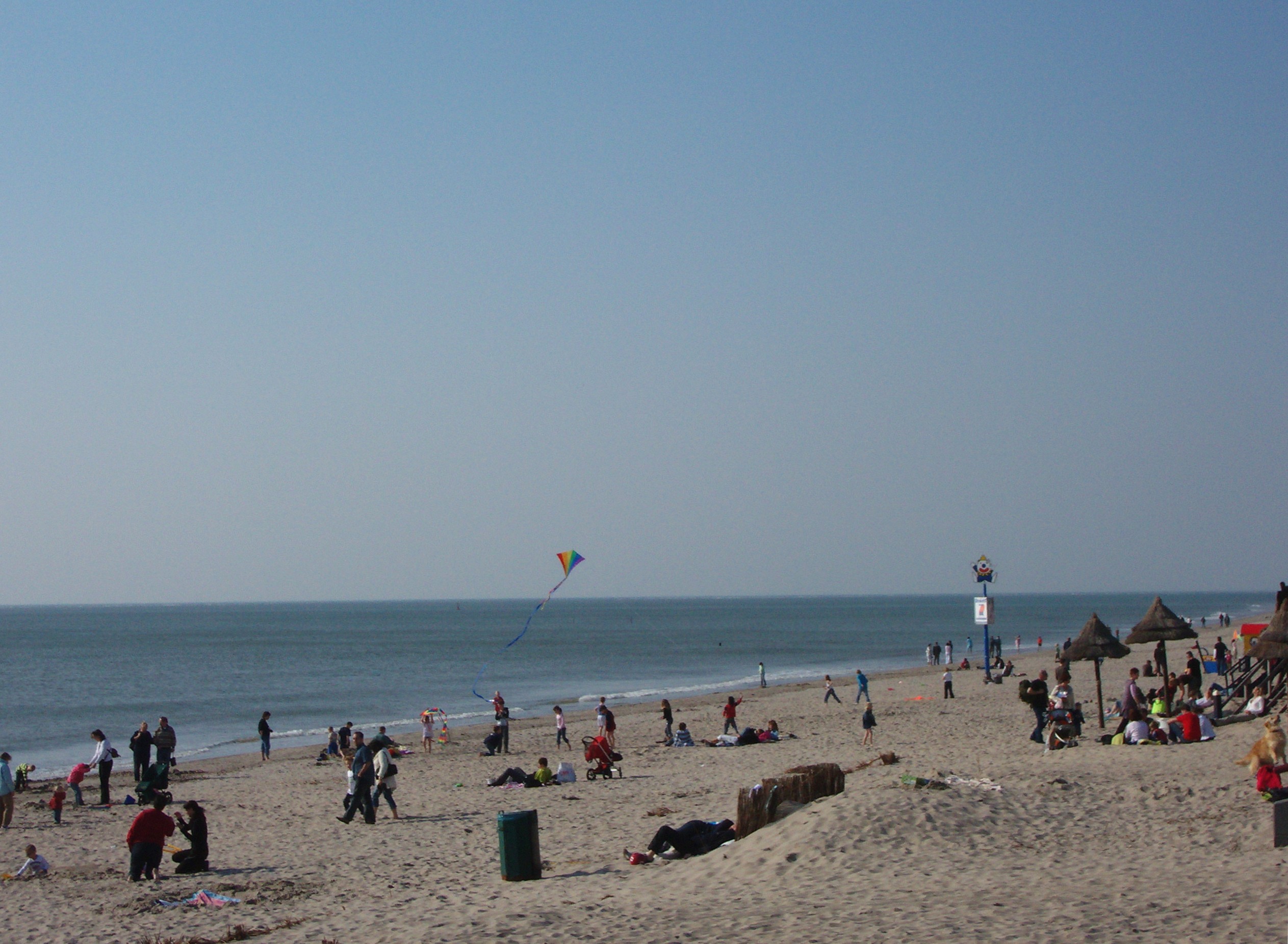
Rockanje Noord sits on the southwestern tip of the Voorne-Putten peninsula in South Holland, a quietly rewarding kitesurf spot tucked into a stretch of North Sea coastline that most travelling kiters fly past on their way to more famous Dutch beaches. That relative obscurity is exactly its charm. The drive out from Rotterdam takes around 45 minutes, winding through the polders and dyke roads of Zeeland's northern fringe before the dunes announce the sea. Park near the beach access at Rockanje's northern section and you'll typically find a wide, sandy foreshore that gives you the room you need to rig and walk your kite down without the elbow-to-elbow tension of busier resorts. The beach faces roughly northwest, which means it catches the prevailing southwestern and westerly winds at an angle that creates a workable cross-onshore to cross-shore window — generally considered one of the more forgiving orientations for kitesurfing. When a solid Atlantic low tracks across the UK and funnels into the southern North Sea, Rockanje Noord can light up with clean, consistent wind in the 18–28 knot range. Those sessions feel effortless: flat-to-rolling water close to shore, with enough open fetch to ride in both directions without constantly watching the clock. The beach itself is wide at low tide and narrows noticeably as the North Sea tide pushes in — and tidal awareness here is genuinely important. The Dutch coast experiences a tidal range that can transform the launch zone and expose or cover sandbanks within a couple of hours. Check the tide tables before you go, launch with the full picture in mind, and always give yourself more beach than you think you need during setup. Downwinders are possible but require solid self-rescue skills and good local knowledge of where to exit, as the coastline has groynes and beach structures that demand respect. For intermediates and above, Rockanje Noord looks like a solid choice on a well-forecast westerly day. The wave potential is modest — more chop and small runners than proper surf — but it's enough to make jumping and boosting genuinely satisfying. Beginners would be better served by a lesson environment, as the tidal dynamics and occasional stronger gusts coming through the dune gaps can make conditions unpredictable for those still building their self-rescue confidence. Facilities at the northern section are limited compared to the main Rockanje village beach a short walk south, where seasonal beach bars and toilet facilities appear in summer. Bring your own water, and plan your food around a pre- or post-session stop in the village. The nearest full kite shop for repairs or rental is in the broader Rotterdam/Hoek van Holland corridor, so arrive prepared. On a bright summer afternoon with a 20-knot southwesterly filling in, the dunes glowing behind you and Rotterdam's skyline a faint smudge on the horizon, Rockanje Noord delivers exactly the kind of uncrowded, honest Dutch kitesurf session that reminds you why this coastline has been producing world-class riders for decades.

Local Tips

  • safetyCheck the tide tables before every session — not just once in the morning. A rising tide at Rockanje Noord can reduce your usable beach significantly mid-session, and you want to plan your landing zone before the water does it for you.
  • launchWalk the beach before you rig. Identify your launch point, your landing zone, any groynes or structures downwind of you, and where swimmers or beach users are concentrated. Five minutes of reconnaissance saves a lot of stress on the water.
  • gearBring a quiver if you can. North Sea winds on this coast can shift in strength faster than forecast models suggest, and having a 9m and a 12m option available means you can adapt rather than sit on the beach watching a great session go by.
  • gearA 4/3mm wetsuit covers most of the summer season comfortably. From October onward, move to a 5/4mm with boots and gloves — the North Sea water temperature drops and the wind chill on Dutch autumn days can be serious.
  • launchSouthwesterly winds here can gust through dune gaps in unexpected pulses. Launch and land with extra care and a good kite handler if possible, keeping your kite at 45 degrees and staying ready for a brief gust spike during the critical moments.
  • localOn busy summer weekends, arrive early. The main Rockanje beach draws significant day-tripper traffic from Rotterdam, and while the northern section stays quieter, parking can fill by mid-morning on a sunny forecast day.
  • conditionsWesterly and northwesterly swells can make the water choppier than expected even when wind speeds seem moderate. If you're working on new tricks, a cleaner forecast with a southwesterly and less swell in the water will give you flatter conditions to work with.
  • safetySelf-rescue skills are non-negotiable here. With tides, groynes and a coast that isn't lined with rescue services, being able to body drag upwind, pack your kite and swim in is a basic requirement before you launch independently at this spot.

Photos

Best Season

Check the Breeza app for the current rideable window at Rockanje Noord.

World Ranking

Regional

Not globally ranked, but a kitesurf destination — a local favourite worth a check when the wind lines up.

When is the best season to kitesurf at Rockanje Noord?

Late spring through early autumn — roughly May to September — tends to offer the most enjoyable sessions, with longer daylight hours, warmer air temperatures and regular southwesterly winds. That said, autumn and winter can produce the strongest and most consistent winds if you're comfortable in colder conditions and a thicker wetsuit. Spring can be gusty and unpredictable, so it rewards experienced riders who can handle variable conditions.

What skill level is Rockanje Noord suitable for?

The spot is generally best suited to intermediate and advanced kiters. The tidal range, variable gusts funnelling through dune gaps, and the need for solid self-rescue awareness make it less ideal for beginners. If you're still learning, look for a supervised lesson environment with a certified instructor rather than arriving independently at this beach.

What wind direction works best here?

Southwesterly and westerly winds are the sweet spot for Rockanje Noord. These create a cross-onshore to cross-shore angle relative to the northwest-facing beach, giving you a good riding window and a degree of safety margin. Northwesterly winds can work but tend to be more onshore and can create choppier, less organised conditions. Offshore winds from the east or southeast should be avoided.

What kite size should I bring?

On a typical summer southwesterly session in the 18–25 knot range, a 9m to 12m kite covers most rider weights. Autumn and winter frontal winds can easily push into the 25–35 knot bracket, where a 7m or smaller may be more appropriate. Always bring a backup kite if you can — North Sea conditions can escalate quickly and it's a long drive home if you blow a canopy.

How do the tides affect the spot?

Significantly. The North Sea tidal range means the beach can change character considerably within a single session. At low tide you'll have a wide, open launch area with plenty of sand buffer. As the tide rises the usable beach narrows, and some sandbanks that looked safely distant can start influencing where you can safely ride and land. Always check local tide tables before arriving and plan your session timing accordingly.

Are there any hazards to be aware of?

Yes — tides are the primary concern (see above). Beyond that, groynes and beach structures along this stretch of coast can be a hazard if you're riding downwind and not paying attention to your exit options. Dune gaps can cause gusty, turbulent wind in certain directions. In summer, swimmer and beach user density increases south toward the main village beach, so stay aware of your proximity to non-water sports users.

What facilities are available at the spot?

The northern section of Rockanje beach has limited facilities directly at the launch area. Seasonal beach bars and basic toilet facilities are available closer to Rockanje village beach, a short walk south. There's roadside parking near the beach access points, but it can fill up on busy summer weekends. Bring your own food and water to be safe, and check current parking rules locally before you visit.

How do I get to Rockanje Noord?

From Rotterdam it's roughly a 45-minute drive, heading southwest through the Voorne-Putten polder landscape. Follow signs toward Rockanje village and then navigate to the northern beach access — GPS coordinates lat 51.8884, lon 4.032 will get you close. There is no direct public transport to the beach itself, so a car is strongly recommended, especially if you're travelling with kite gear.

Is it a good spot for freestyle or wave riding?

Rockanje Noord is better suited to freestyle and freeride than dedicated wave riding. The North Sea generates rolling chop and occasional small waves that make for fun boosting and jumping sessions, but it's not a proper wave spot in the way Atlantic-facing beaches further south might be. Intermediate freestylers looking to work on their air time and unhooked tricks on flatter water will likely enjoy the conditions on a good day.

Can I find kite schools or rental at Rockanje Noord?

There is no dedicated kite school operating directly at the northern section of the beach as far as is generally known, though the broader Rockanje and Voorne coast area has seen water sports activity over the years. For lessons, rentals or equipment repair, your best options are likely in the Rotterdam metropolitan area or toward Hoek van Holland. Always confirm current local services before your trip, as seasonal availability can change.

When is the best time to kitesurf at Rockanje Noord?

Timing depends on local conditions. Check the Breeza app for the current rideable window at Rockanje Noord — it reads the live forecast against your gear and level.

Is Rockanje Noord suitable for beginner kiters?

Suitability depends heavily on the day's conditions. Breeza reads your level alongside the forecast and gives you an honest verdict — including when it's a no.

What wind direction works at Rockanje Noord?

Wind direction is critical at Rockanje Noord — the right angle makes the difference between a great session and an unsafe one. Breeza cross-references live wind direction against the spot's safe window to tell you if today's direction is rideable for your kite.

What kite size do you need at Rockanje Noord?

Kite size at Rockanje Noord depends on the day's wind strength and your weight. Most kiters rig between 10m and 14m. Breeza calculates the ideal size for your gear, so you know before you leave whether it's a go.

Is it safe to kitesurf at Rockanje Noord?

Safety at Rockanje Noord depends on conditions and your experience. Check for offshore-wind days, local hazards and emergency contacts before you launch. Breeza gives a rideability verdict that includes a safety flag when conditions are borderline for your level.

See if Rockanje Noord is ridable right now — wind, direction, and a verdict for your gear.

Free · launching on iOS & Android

You've already got wind data — the hard part is knowing what it means for you. Most kiters end up checking two, three, four apps and still asking: can I actually go? Breeza was built by a kiter who had the same problem. Feed it your gear, weight and level and it tells you if Rockanje Noord is rideable right now. The answer, not the tabs.

Join the waitlist App coming soon — be first to know when Rockanje Noord is live.

Nearby Kitesurf Spots

Sources