Breeza

Kitesurfing Rockanje Strandslag

South Holland, Netherlands

Wind & Conditions

About Rockanje Strandslag

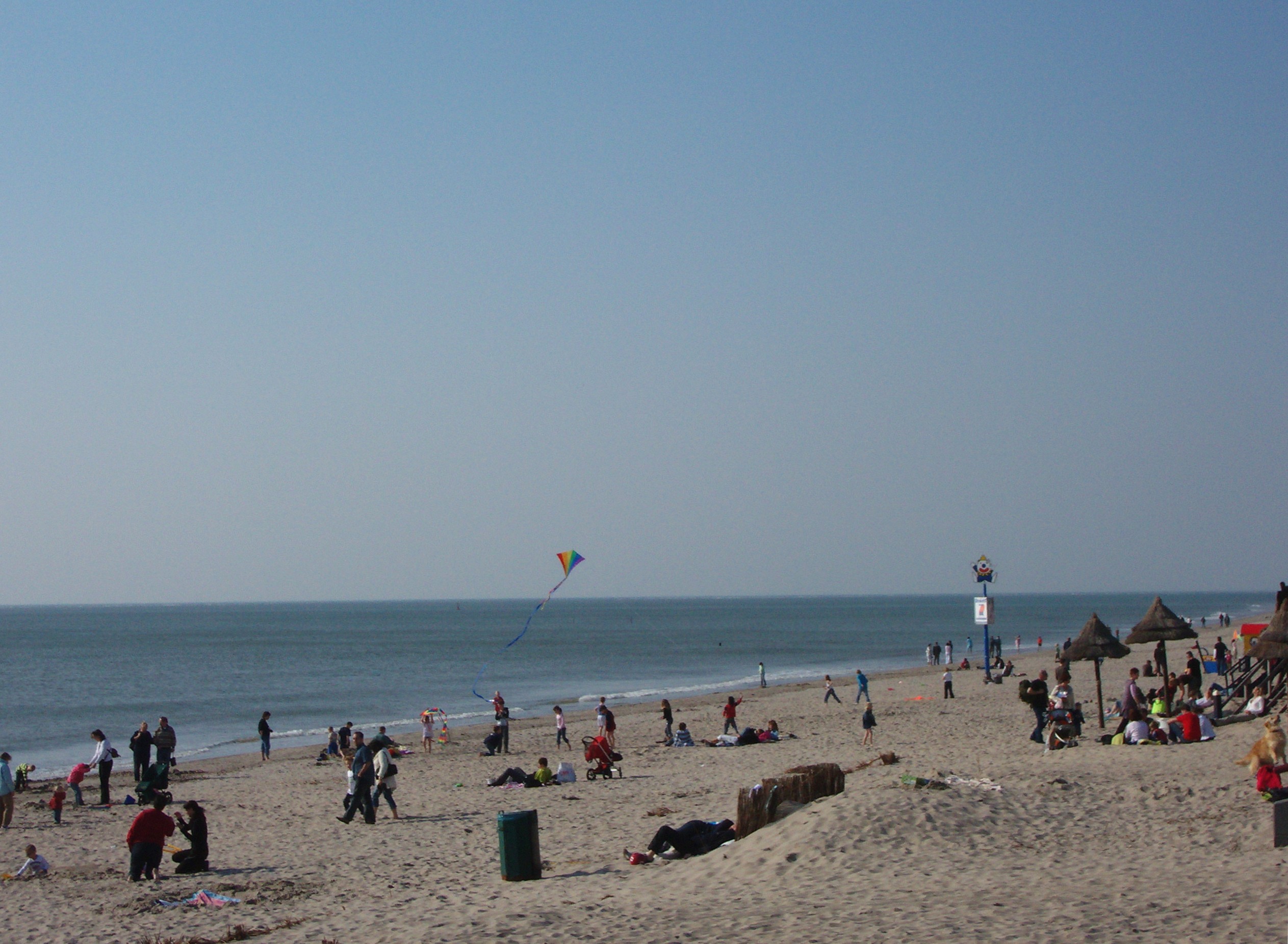
Tucked along the southwestern coast of South Holland, Rockanje Strandslag sits on the Voorne-Putten peninsula, a stretch of North Sea shoreline that quietly earns its reputation among Dutch kiters who know where to look. Getting here is part of the charm — drive through the flat, wind-swept polders south of Rotterdam, past dykes and dune ridges, until the beach car park at Strandslag opens up in front of you. The approach already tells you something: if the grasses are bending hard, you're in for a session. The beach itself is a wide, sandy strip backed by dunes, which do double duty as a natural windbreak for rigging and a visual landmark when you're out on the water. The launch area is generally straightforward — a firm sand beach with enough room to lay out even larger kites without crowding — but it rewards a careful pre-launch check. Foot traffic from swimmers and casual beachgoers picks up noticeably in summer, so launching early or outside peak hours is a smart habit to build. Conditions here are shaped almost entirely by the North Sea's mood. The dominant southwest and westerly winds funnel across open water before hitting this coastline, which means the fetch is real and the chop can build quickly. On a solid SW day, intermediate to advanced riders will find satisfying powered runs with enough space to work on transitions and downwind riding. The water is shallow close to shore, which keeps things manageable for water re-launches, but sandbars and shifting underwater terrain mean it's worth a local ask before pushing too far out on unfamiliar tides. Hazards are worth noting honestly. Offshore wind components can develop depending on wind direction, and the coastal geography means conditions can shift faster than forecasts suggest — a session that starts cross-shore can edge more offshore as the tide and pressure change. Beginners should treat this spot with caution and ideally come with experienced supervision. There are also seasonal considerations around beach use, with designated zones sometimes in effect during the busier summer months. Facilities at Strandslag are modest but functional. There is a beach pavilion or strandtent nearby depending on the season, offering basic food and drink — a welcome stop after a long session. Parking is available close to the beach, though it fills up fast on summer weekends. Changing facilities are limited, so plan accordingly and keep a dry bag in the car. The best windows for kiting here tend to fall in spring and autumn, when wind is more consistent, crowds thin out, and the light over the North Sea has that particular Dutch quality — grey-gold and cinematic. Summer can deliver good sessions but requires more patience around beach activity. Winter is for experienced riders only, given the cold water temperatures and more aggressive sea states. Rockanje Strandslag won't appear on every international kite map, but for riders based in or passing through the Rotterdam area, it's a dependable local gem — raw, North Sea honest, and rewarding when the conditions align.

Local Tips

  • launchWalk the waterline before rigging to check the actual wind angle relative to the beach — what looks cross-shore from the car park can have more offshore component at the water's edge depending on the day.
  • safetyIn summer, aim to launch before 11am or after 5pm to avoid peak swimmer and sunbather traffic on the beach. This reduces hazard risk and makes your setup much less stressful.
  • gearPack a wetsuit with at least 4/3mm thickness for spring and autumn sessions — North Sea water temperatures can be surprisingly cold even when the air feels warm, and a longer session in cool water takes its toll.
  • conditionsCheck wind consistency for at least 2–3 hours before your planned session time. North Sea wind can be gusty and irregular, especially as fronts pass — a steady window mid-system is usually more reliable than the edges of a weather event.
  • localThere is often a small but knowledgeable local crew at Strandslag on good wind days. Introducing yourself and asking for a quick spot briefing is well worth it — Dutch kiters are generally friendly and the local knowledge on sandbar positions and tide behaviour is invaluable.
  • launchRig down in the dunes behind the beach where there is natural wind shadow — it makes handling your kite during setup much easier and reduces the chance of a premature inflation incident on the beach.
  • safetyAlways carry a self-rescue plan. Knowing how to body drag upwind and how to pack your kite on the water is essential at this spot given the potential for offshore shifts. Practice these skills before committing to a full session here.
  • localA rooftop box or roof bars on your car are practical here — the beach access path can be a bit of a walk, and managing a full kite bag plus a board without wheels across soft sand is easier if your gear is well organised from the start.

Photos

Best Season

Check the Breeza app for the current rideable window at Rockanje Strandslag.

World Ranking

Regional

Not globally ranked, but a kitesurf destination — a local favourite worth a check when the wind lines up.

What is the best season to kitesurf at Rockanje Strandslag?

Spring (March–May) and autumn (September–November) are generally considered the most reliable seasons. Wind is more consistent during these periods, and the beach is significantly less crowded than in summer. Summer sessions are possible but require more flexibility around beach activity and swimmer zones. Winter can be rewarding for advanced riders prepared for cold water and more demanding sea conditions.

What skill level is this spot suited for?

Rockanje Strandslag is best suited to intermediate and advanced kiters. The North Sea chop, variable wind conditions, and potential for offshore wind shifts can make it challenging for beginners. If you're still learning, it's strongly recommended to come with an experienced companion or instructor who knows the spot well.

What wind directions work best here?

Southwesterly and westerly winds are the most common and generally offer a cross-shore to cross-onshore angle at the beach, which is the most practical for safe sessions. Northwesterlies can also work but may produce more side-offshore conditions depending on the exact beach orientation — always assess carefully before launching in these directions.

What kite size should I bring?

On a typical breezy South Holland day, a 9–12m kite covers a wide range of sessions for an average-weight rider. If the forecast is showing a solid Atlantic low pushing through, smaller kites (7–9m) may be more appropriate. Given how quickly North Sea conditions can build, it's wise to rig conservatively on your first visit to the spot.

Are there any significant hazards to be aware of?

Yes, a few worth keeping in mind. Wind direction can shift and develop offshore components depending on the conditions, so always monitor how the wind is behaving throughout your session. Sandbars and shallow sections near shore can be deceptive, and the bottom topography can change seasonally. In summer, swimmer and beach crowd management is also a genuine consideration near the launch zone.

How do I get to Rockanje Strandslag?

The spot is located on the Voorne-Putten peninsula, roughly 35–45 minutes southwest of Rotterdam by car. Follow signs toward Rockanje village and then to the Strandslag beach access. Parking is available near the beach, though it gets busy on summer weekends and public holidays — arriving early is a good strategy.

What facilities are available at the beach?

Facilities are fairly basic. A seasonal beach pavilion (strandtent) is typically open during warmer months, offering food and drinks. Parking is close to the beach. Changing and shower facilities are limited, so it's worth packing a changing mat or dry robe and keeping a full kit bag in the car.

Is the launch area crowded or easy to use?

The sandy beach provides a reasonably wide launch zone, and outside of peak summer periods it's manageable. During busy summer days, foot traffic from non-kiters increases substantially, so timing your setup and launch early in the morning or later in the afternoon helps avoid conflicts. Always communicate clearly with other beach users when launching or landing.

What is the water like once you're out?

Close to shore the water is relatively shallow, which is useful for water re-launches. Further out, the North Sea chop builds quickly on windier days, offering lively and engaging riding conditions. The sea state can go from manageable to challenging in a short time, especially as wind strength picks up — keeping an eye on conditions throughout your session is worthwhile.

Is there a local kite community or rescue service nearby?

Rockanje has a local beach and maritime safety presence, particularly in season, but it is not a dedicated kite rescue service. Riding with a buddy is strongly recommended, especially outside of peak summer months. Connecting with the local Dutch kite community before your visit can give you up-to-date insights on current spot conditions and any local rules in effect.

When is the best time to kitesurf at Rockanje Strandslag?

Timing depends on local conditions. Check the Breeza app for the current rideable window at Rockanje Strandslag — it reads the live forecast against your gear and level.

Is Rockanje Strandslag suitable for beginner kiters?

Suitability depends heavily on the day's conditions. Breeza reads your level alongside the forecast and gives you an honest verdict — including when it's a no.

What wind direction works at Rockanje Strandslag?

Wind direction is critical at Rockanje Strandslag — the right angle makes the difference between a great session and an unsafe one. Breeza cross-references live wind direction against the spot's safe window to tell you if today's direction is rideable for your kite.

What kite size do you need at Rockanje Strandslag?

Kite size at Rockanje Strandslag depends on the day's wind strength and your weight. Most kiters rig between 10m and 14m. Breeza calculates the ideal size for your gear, so you know before you leave whether it's a go.

Is it safe to kitesurf at Rockanje Strandslag?

Safety at Rockanje Strandslag depends on conditions and your experience. Check for offshore-wind days, local hazards and emergency contacts before you launch. Breeza gives a rideability verdict that includes a safety flag when conditions are borderline for your level.

See if Rockanje Strandslag is ridable right now — wind, direction, and a verdict for your gear.

Free · launching on iOS & Android

You've already got wind data — the hard part is knowing what it means for you. Most kiters end up checking two, three, four apps and still asking: can I actually go? Breeza was built by a kiter who had the same problem. Feed it your gear, weight and level and it tells you if Rockanje Strandslag is rideable right now. The answer, not the tabs.

Join the waitlist App coming soon — be first to know when Rockanje Strandslag is live.

Nearby Kitesurf Spots

Sources