Kitesurfing Åkrasanden
Norway
Wind & Conditions
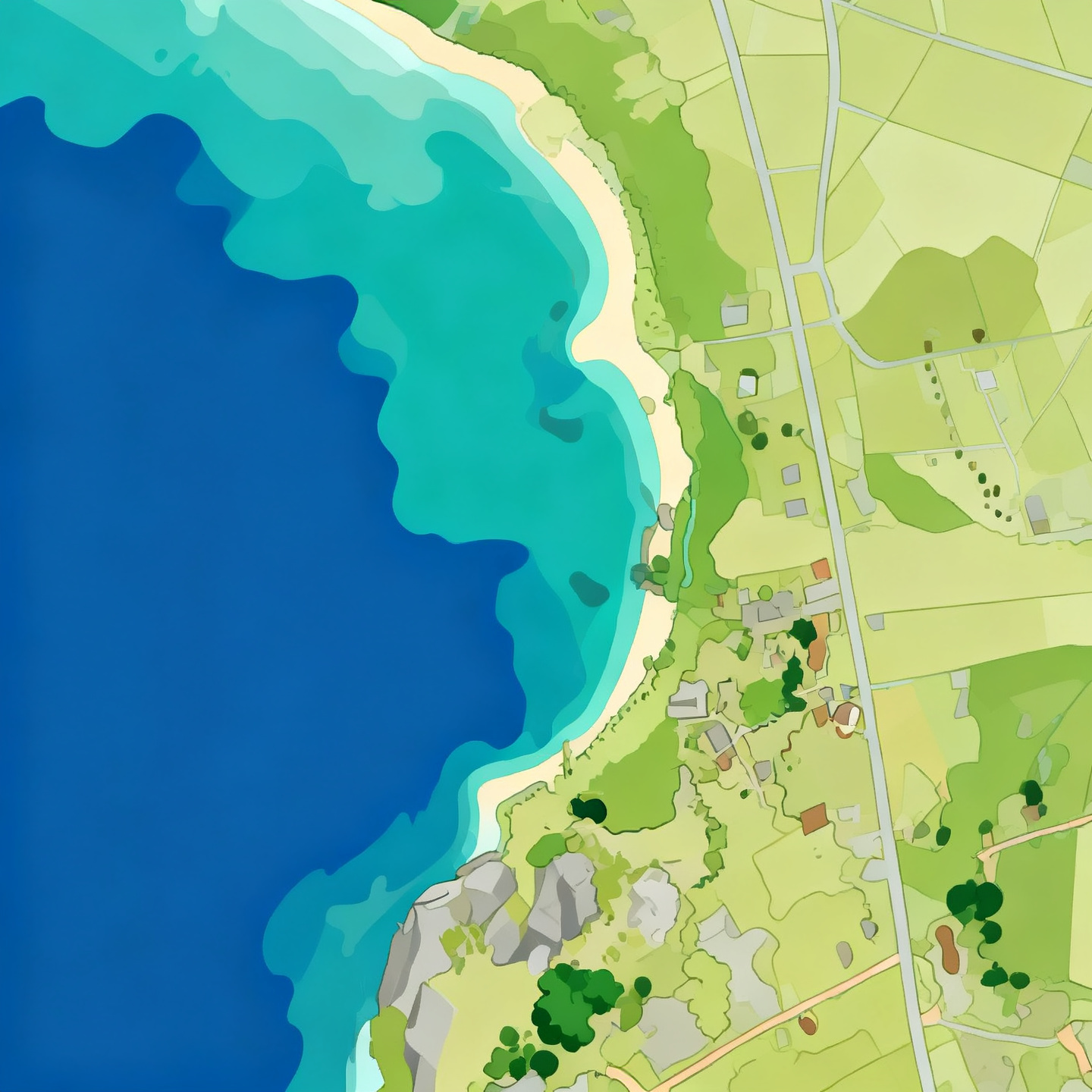
About Åkrasanden
Perched on the island of Karmøy along Norway's rugged southwestern coast, Åkrasanden is a spot that earns its reputation through raw North Sea character rather than tropical convenience. Known locally as Sandane, this is the largest continuous stretch of beach in the entire Karmøy municipality and has repeatedly been ranked among Norway's finest beaches — which tells you something about what awaits when the wind swings in from the right direction. Getting here is straightforward enough. Drive south from Haugesund — roughly a 30-minute run — through the quiet coastal town of Åkrehamn, and the beach announces itself without fanfare. Parking is available directly at the spot, which makes rigging up a far less stressful affair than many Norwegian coastal stops where you're lugging gear across fields. The bay faces northwest, opening toward the North Sea, which means frontal-driven winds are your best friend here. When a proper Atlantic low pushes through, the setup can be genuinely rewarding. The bay's partially sheltered configuration takes some edge off the choppiest conditions, but don't mistake that for mellow — this is still the North Sea, and it behaves accordingly. Medium waves and a shallow water area greet you as you push out, and the kite zone offers a mix of wave riding and flat-ish pockets depending on where you position yourself. The launch itself is off the sandy beach, which is the clear highlight from a logistics standpoint. The sand is wide enough to rig comfortably, and the gradual entry makes water launches manageable for intermediate riders who know what they're doing. That said, the spot demands respect. Rocky formations are scattered both along the beach edges and in the water, and these are the feature that pushes Åkrasanden firmly into intermediate-to-expert territory. Knowing your lines, your exit points, and your water-start reliability before you session here is not optional — it's basic safety. Water temperature is another reality check. A wetsuit is always needed, full stop. In summer months, a 4/3mm or lighter suit may suffice, but spring and autumn sessions will call for more neoprene, and winter riding — while possible for the committed — demands a serious cold-water setup. The season generally runs best from April through October when conditions are more consistent and the risk of genuinely brutal weather is lower. Once you're on the water, the combination of medium waves and the bay's northwest exposure can produce some genuinely fun rides. The shallow zones reward those who read the water carefully, and on a good day with clean Atlantic swell running, wave riding possibilities open up nicely. Back on land, the infrastructure is solid by Norwegian coastal standards. A kite school operates at the beach, which is useful if you're looking to dial in technique or simply want local knowledge before you launch. Food options in Åkrehamn include Pizzabakeren for a post-session carb load, and Gutenberg pub is worth knowing about if you're extending your stay into the evening. Haugesund, just a short drive north, adds nightlife and resupply options for longer trips. Åkrasanden rewards riders who come prepared, respect the rocks, and embrace the honest Nordic conditions. It's not a beginner playground, but for intermediates and experts willing to work with what the North Sea provides, it can be a memorable session in a strikingly beautiful setting.
Local Tips
- safetyWalk the entire shoreline before you rig. Identify the rocky formations at the water's edge and in the shallows so you know exactly where your safe launch corridor and exit points are before your lines are in the air.
- launchLaunch from the central sandy section of the beach, away from the rocky flanks. The wide sandy stretch gives you the cleanest run into the water and the most space to abort if something goes wrong during your launch.
- gearAlways bring a full wetsuit regardless of the season. Even in July, the North Sea around Karmøy is cold enough to cause rapid heat loss. Gloves and a hood are worth packing for anything outside the peak summer window.
- conditionsFront-driven Atlantic weather can change quickly. Keep an eye on conditions while you're on the water and build in a safety margin — don't push your last run until you're so tired that a rocky-bottom wipeout becomes a real risk.
- localContact the local kite school before your first session at the spot. They can give you current information on where rocks are most problematic, any local right-of-way conventions with swimmers, and whether recent weather has shifted anything worth knowing.
- gearPack a spare set of dry clothes and leave them in your car. Norwegian coastal weather is variable, and even a moderate session can leave you significantly colder than you expected. A flask of something hot is never a bad idea either.
- localÅkrasanden is busiest in summer when it draws beachgoers as one of Norway's top-rated beaches. If you're planning a session during peak season, aim for early morning or later in the evening when the swimming area is less crowded and you have more launch space.
- conditionsThe shallow water zone rewards a conservative approach on your first few sessions. Ride in the mid-depth areas until you've mapped the bottom well enough to push into the shallower wave sections with confidence.
Photos

Best Season
Check the Breeza app for the current rideable window at Åkrasanden.
World Ranking
RegionalNot globally ranked, but a kitesurf destination — a local favourite worth a check when the wind lines up.
Facilities & Services
What's on the ground near the launch, mapped from open data:
Nearby spots to eat, drink & learn
- Åkrasanden Kite school
- Pizzabakeren Åkrehamn Restaurant
- Gutenberg pub Bar / Café
Facilities data © OpenStreetMap contributors
What is the best time of year to kitesurf at Åkrasanden?
The spot is generally considered best from April through October. Summer months offer milder temperatures and more predictable conditions, while spring and autumn can bring strong Atlantic frontal winds that experienced riders enjoy. Winter is possible but demands full cold-water gear and a high tolerance for challenging conditions.
What skill level is required to ride at Åkrasanden?
Åkrasanden is suited to intermediate and expert riders. The combination of rocks in and around the water, medium waves, and the exposed North Sea environment means beginners should look elsewhere until they've developed solid water-start, self-rescue, and body-drag skills. A kite school at the beach can help intermediate riders assess whether conditions match their level.
What are the main hazards at this spot?
The primary hazard is rocks — there are multiple rocky formations both along the beach edges and scattered in the water. Riders should walk the shoreline before launching to identify safe entry and exit corridors. Shallow water areas also require awareness, particularly in wave conditions where the bottom can come up quickly.
What wind direction works best at Åkrasanden?
The bay faces northwest toward the North Sea, making frontal-driven winds — typically from the southwest to northwest quadrant — the most productive. These are the conditions associated with passing Atlantic low-pressure systems, which are a regular feature of Norwegian coastal weather.
What kite size should I bring?
Norway's Atlantic coast can produce a wide range of wind strengths, so a versatile quiver is ideal. A 9–12m kite covers a lot of the moderate conditions, while a smaller 7–9m is useful when Atlantic fronts push through with gusto. Checking conditions in advance and having a bar and lines in good repair before you travel is strongly recommended.
Do I need a wetsuit at Åkrasanden?
Yes, always. The North Sea around Karmøy is cold year-round. In the height of summer a 4/3mm wetsuit may be sufficient, but spring, autumn, and winter sessions will require a 5/4mm or thicker suit, along with gloves, hood, and boots. There is no time of year when you can reasonably skip the neoprene.
How do I get to Åkrasanden?
Drive south from Haugesund toward Åkrehamn on the island of Karmøy — the journey takes roughly 25–35 minutes. The beach is well-signposted once you reach the town. Parking is available directly at the spot, making it easy to unload gear without a lengthy walk.
Are there facilities at or near the beach?
Yes — parking is available at the spot, and a kite school operates at the beach for lessons or local advice. Pizzabakeren in Åkrehamn covers post-session food, and Gutenberg pub is a reasonable option for drinks. Haugesund, a short drive north, provides additional restaurants, shops, and accommodation.
Is there a kite school at Åkrasanden?
Yes, there is a kite school operating at the beach. If you're unfamiliar with the spot or looking to progress your skills in a guided environment, reaching out to them before your visit is a smart move — local knowledge about current hazards and preferred launch lines is genuinely valuable here.
What kind of waves and water conditions can I expect?
Expect medium-sized waves and a shallow water area with a mix of conditions depending on swell direction and wind strength. The bay's northwest-facing orientation means Atlantic swells can push in meaningfully, creating wave riding opportunities. On lighter wind days the water can be more manageable, but the rocky bottom means you should always ride with awareness of what's beneath you.
When is the best time to kitesurf at Åkrasanden?
Timing depends on local conditions. Check the Breeza app for the current rideable window at Åkrasanden — it reads the live forecast against your gear and level.
Is Åkrasanden suitable for beginner kiters?
Suitability depends heavily on the day's conditions. Breeza reads your level alongside the forecast and gives you an honest verdict — including when it's a no.
What wind direction works at Åkrasanden?
Wind direction is critical at Åkrasanden — the right angle makes the difference between a great session and an unsafe one. Breeza cross-references live wind direction against the spot's safe window to tell you if today's direction is rideable for your kite.
What kite size do you need at Åkrasanden?
Kite size at Åkrasanden depends on the day's wind strength and your weight. Most kiters rig between 10m and 14m. Breeza calculates the ideal size for your gear, so you know before you leave whether it's a go.
Is it safe to kitesurf at Åkrasanden?
Safety at Åkrasanden depends on conditions and your experience. Check for offshore-wind days, local hazards and emergency contacts before you launch. Breeza gives a rideability verdict that includes a safety flag when conditions are borderline for your level.
See if Åkrasanden is ridable right now — wind, direction, and a verdict for your gear.
Free · launching on iOS & Android
You've already got wind data — the hard part is knowing what it means for you. Most kiters end up checking two, three, four apps and still asking: can I actually go? Breeza was built by a kiter who had the same problem. Feed it your gear, weight and level and it tells you if Åkrasanden is rideable right now. The answer, not the tabs.
Join the waitlist App coming soon — be first to know when Åkrasanden is live.