Kitesurfing El Yaque
Nueva Esparta, Venezuela
Wind & Conditions
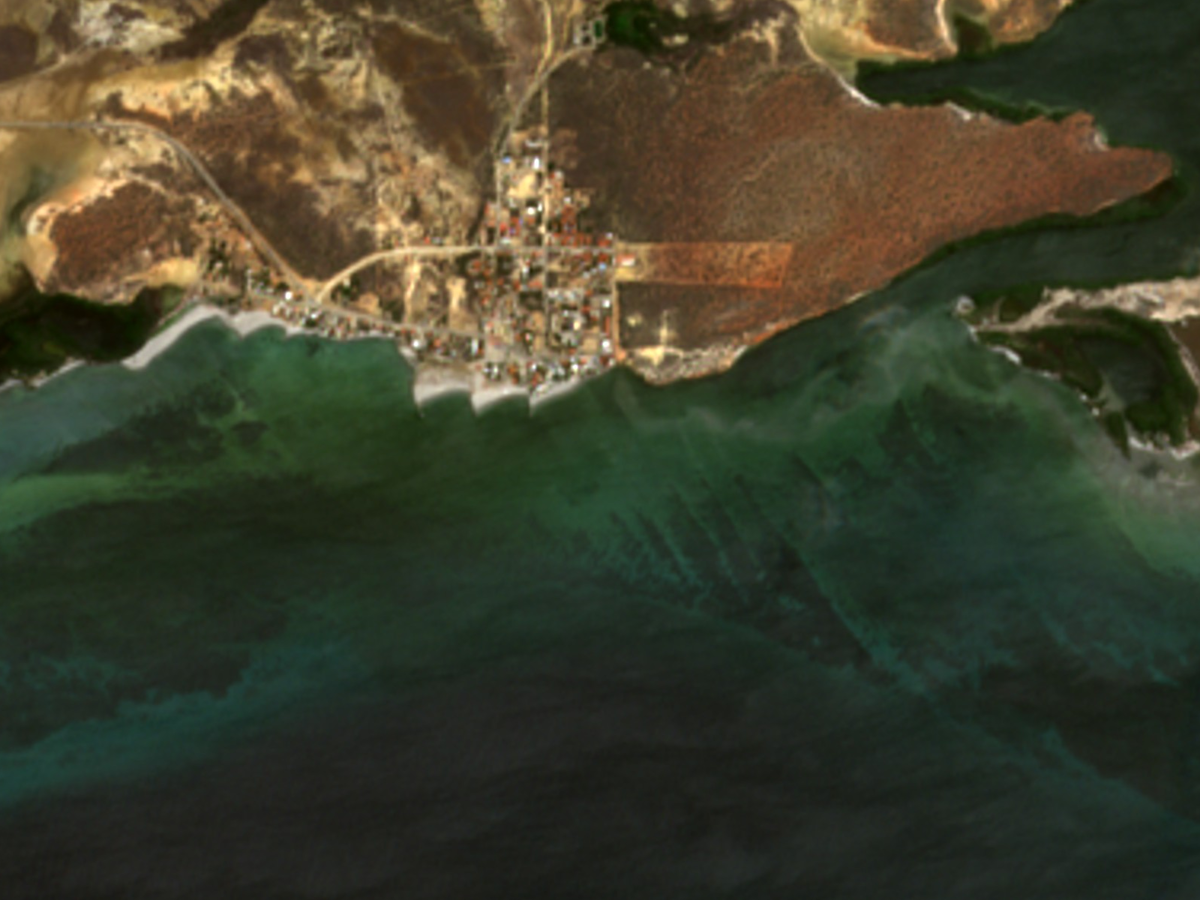
World-renowned flat-water freestyle beach on the south coast of Isla Margarita, just east of the airport; the launch faces due south over the water. The reliable easterly trade wind blows dead side-shore from the left and strengthens through the afternoon, keeping riders parallel to the beach, while any wind from the northern landward half is offshore and falls outside the safe window.
About El Yaque
El Yaque sits on the southern edge of Isla Margarita, a Venezuelan Caribbean island roughly 30 kilometres off the mainland coast. The beach faces due south over a shallow, sheltered bay — the kind of flat, butter-smooth water that makes freestyle riders giddy and beginners genuinely grateful. Santiago Mariño Caribbean International Airport is about 2.25 kilometres to the west, close enough that your first glimpse of El Yaque might come through an airplane window as you bank over the bay on final approach. Getting here is straightforward. Porlamar, Margarita's main commercial hub, sits around 20 minutes east by taxi or rental car. From the airport it's barely five minutes. The beach road runs along the waterfront and parking is close to the water — you won't be hauling gear across a car park. The launch is a wide sandy beach with a gentle slope into the water. There's generally enough room to rig and launch without crowding, though the beach draws swimmers and tourists in high season, so stay alert and communicate with other kiters. Water entry is clean and shallow near shore, deepening gradually — easy to wade in, easy to body-drag back if something goes sideways. The wind is the main event. El Yaque sits deep in the Caribbean trade-wind belt, and the easterly trades blow almost dead side-shore from the left — running parallel to the beach rather than into it or away from it. That angle keeps you tracking along the bay with a clear downwind corridor of open water. The trades are refreshingly predictable: typically light to moderate in the morning, then building steadily through the afternoon and peaking in the mid-to-late afternoon hours. On the flat water, without chop to wrestle, you can put that energy directly into your riding. One hazard demands real attention: any wind with a northerly component is offshore at El Yaque. The safe kite window runs from due east (90°) around through south to due west (270°). If the wind swings north of east or north of west, it's pointing you toward open Caribbean water with no land downwind. Check the direction before you rig — not after you're on the water. The flat, protected bay is purpose-built for freestyle and wakestyle. Unhooked riders come specifically for the smooth surface; there's no swell to interrupt a trick sequence. It's also genuinely approachable for intermediates who want to build mileage in clean conditions without fighting lumpy seas. A cluster of restaurants lines the beach road — Canoa Restaurante, Shark-Bar, Restaurant Los Pericos, Deliras Food, and Pizza's Tavolo among them — so cold drinks and food are close after a session. The local kite scene has decades of history; you'll share the water with riders from across the world at every skill level. Peak trade-wind season runs roughly November through July. August and September can turn lighter and less consistent as the belt shifts.
Best Season
Check the Breeza app for the current rideable window at El Yaque.
World Ranking
#41 worldwideRanked #41 worldwide — a kitesurf destination.
Facilities & Services
What's on the ground near the launch, mapped from open data:
Nearby spots to eat, drink & learn
- The Isla Margarita Kite school
- ZonaKite Kite school
- Mar&Luna Kiteboarding Center Kite school
- Margarita Kite Kite school
- MargaritaKite Kite school
- Kiteboarding Venezuela Kite school
- Los mejores restaurantes en El Yaque Restaurant
- Madero Restaurant Restaurant
- Canoa Restaurante Restaurant
- Comiendo en el Yaque Margarita a Orillas del Mar Restaurant
- Exquisitos Cafe & Lunch Restaurant
- La Palapa Rest & Bar Restaurant
- Hotels near Playa el Yaque in El Yaque, Venezuela Accommodation
- Casa Viva Hotel Accommodation
- 11 Best Hotels in El Yaque, Margarita Island Accommodation
- Descubre El Yaque Accommodation
- Playa El Yaque. Isla de Margarita. Mar Caribe Accommodation
- Mejores Hoteles en Playa El Yaque, isla de Margarita Accommodation
- Hotel Paradise Yaque Accommodation
- Posada La Mar Accommodation
- Yaque Beach Hotel Accommodation
Facilities data © OpenStreetMap contributors
When is the best time to kitesurf at El Yaque?
Timing depends on local conditions. Check the Breeza app for the current rideable window at El Yaque — it reads the live forecast against your gear and level.
Is El Yaque suitable for beginner kiters?
Suitability depends heavily on the day's conditions. Breeza reads your level alongside the forecast and gives you an honest verdict — including when it's a no.
What wind direction works at El Yaque?
World-renowned flat-water freestyle beach on the south coast of Isla Margarit... Breeza cross-references live wind direction against the spot's safe window to tell you if today's direction is rideable for your kite.
What kite size do you need at El Yaque?
El Yaque delivers consistent wind, so most riders use a 9–12m kite under typical conditions. Exact size depends on your weight and the day's strength. Breeza calculates the right kite for your specific setup and gives you a rideability verdict before you head out.
Is it safe to kitesurf at El Yaque?
Safety at El Yaque depends on conditions and your experience. Check for offshore-wind days, local hazards and emergency contacts before you launch. Breeza gives a rideability verdict that includes a safety flag when conditions are borderline for your level.
See if El Yaque is ridable right now — wind, direction, and a verdict for your gear.
Free · iOS & Android
You've already got wind data — the hard part is knowing what it means for you. Most kiters end up checking two, three, four apps and still asking: can I actually go? Breeza was built by a kiter who had the same problem. Feed it your gear, weight and level and it tells you if El Yaque is rideable right now. The answer, not the tabs.
Get the app Free on iOS and Android — see if El Yaque is rideable right now.Nearby Kitesurf Spots
Sources
- https://www.trivago.com/en-US/opr/hotels-near-playa-el-yaque?search=500-1210288
- https://www.tripadvisor.co/Restaurants-g635977-El_Yaque_Margarita_Island_Coastal_Islands_Insular_Region.html
- https://www.tiktok.com/@qlqestacomida/video/7301378715034946822
- https://mapcarta.com/es/N5521004481
- https://letskite.ch/en/spots/2929/snowkite/isla-margarita-el-yaque
- https://www.agoda.com/el-yaque/maps/margarita-island-ve.html
- https://www.tiktok.com/@elkhar80/video/7458284120473423110
- https://elyaquebeach.negocio.site/?utm_source=gmb&utm_medium=referral
- https://paradisehoteles.com/es/playa-el-yaque
- https://travelfeed.com/@sweetdreams/el-yaque-beach-margarita-island-nueva-esparta-state-venezuela
- https://www.agoda.com/es-es/el-yaque/maps/margarita-island-ve.html
- https://mar-y-luna.web.app/
- https://paradisehoteles.com/
- https://comercioconecta.com/hoteljumpjibe
- https://ae.trip.com/hotels/diaz-2-hotel-detail-22832212/yaque-beach-hotel/
- http://www.margaritakite.net/
- https://posada-lamar.com/
- https://www.margaritakite.net/advanced
- https://www.margaritakite.net/
- https://www.trivago.com/es-US/odr/hoteles-el-yaque-venezuela?search=200-67892
- https://web.kite-and-windsurfing-guide.com/spots/kiteboarding-windsurfing-sup/el-yaque-margarita.html