Kitesurfing Kaloot
Zeeland, Netherlands
Wind & Conditions
About Kaloot
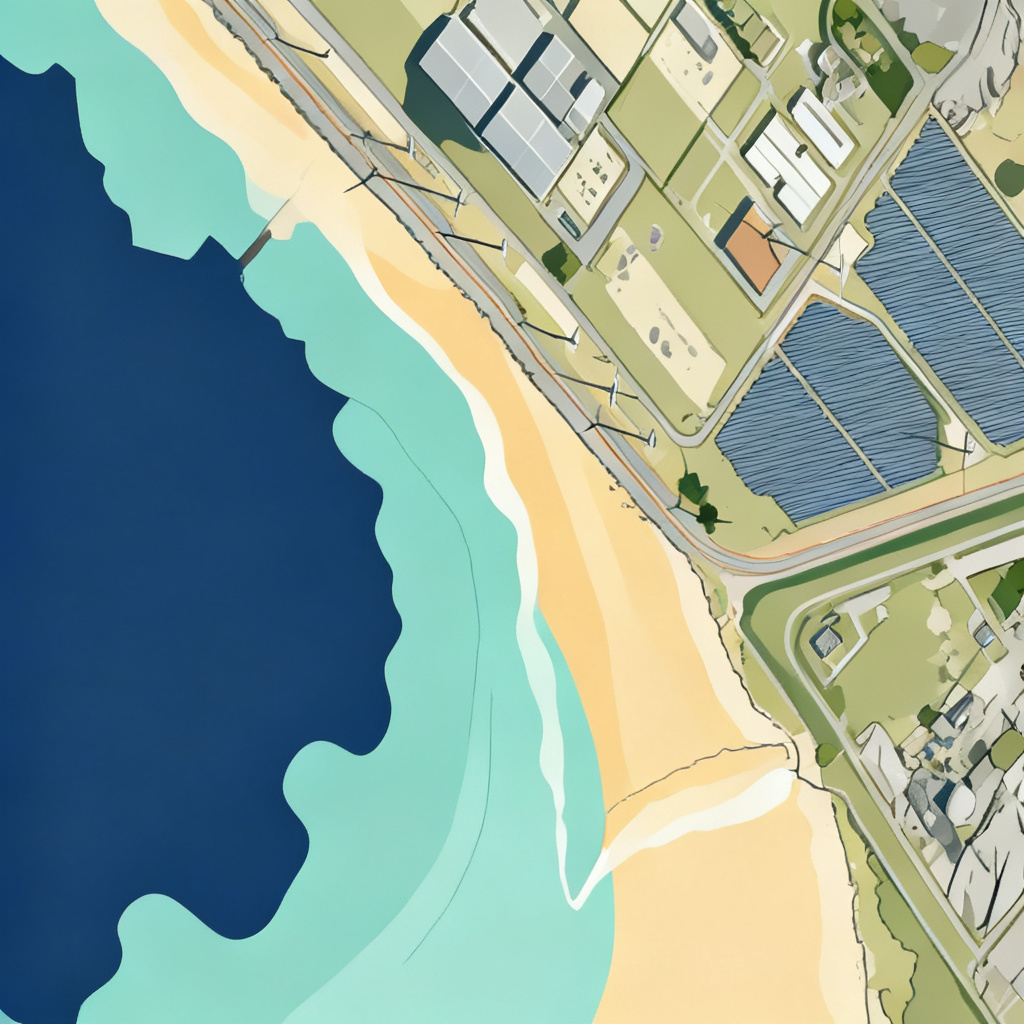
Tucked into the southwestern corner of the Netherlands, Kaloot sits on the banks of the Westerschelde estuary in Zeeland — a region that has quietly become one of the Low Countries' most rewarding kitesurf destinations. Getting here requires a commitment: from Antwerp you'll cross into Dutch territory via the N62, winding through flat polder landscapes and past windmills that remind you exactly why this part of Europe has wind to spare. The spot itself is accessed via a small dyke road near the village of Borssele, where you'll find a gravel parking area that fills up quickly on weekends when the forecast looks promising. The launch zone at Kaloot is a gently sloping sandy and gravel beach that opens onto the wide, tidal Westerschelde channel. The estuary here is serious water — this is an active shipping lane, and large vessels make regular passes. Before you even pump your kite, take a few minutes to watch the current and note the direction of traffic. The river mouth creates a persistent tidal flow that can catch you off guard if you're used to static flatwater lakes. That said, when conditions align, Kaloot offers something genuinely special: a broad, relatively shallow sandbar extends offshore at low tide, giving intermediate and experienced riders a semi-protected zone with choppier but manageable conditions before the channel proper begins. Wind here predominantly arrives from the southwest, funnelled and accelerated by the open estuary geometry. On a solid SW day, the fetch across the Westerschelde delivers steady, powered sailing that feels disproportionate to the modest-looking beach. North and northwest winds are also rideable but tend to be gustier and can push you toward the shipping channel faster than you'd like. Beginners should approach Kaloot with caution — the tidal currents, boat traffic, and the absence of any real downwind safety zone make this a spot that rewards experience and situational awareness. On the water, expect a lively chop with occasional short-period swells when the wind opposes the tide. Freeride and wave-style riding both have their moments here, and on lighter days the flat patches behind the sandbar are genuinely enjoyable for freestyle practice. Water temperatures in Zeeland follow a classic North Sea pattern: cold from October through April, manageable in summer when a 3/2 wetsuit is usually sufficient. Facilities at Kaloot are minimal — this is not a kite school beach with a café and equipment rental. There are basic toilet facilities nearby and enough parking for a modest session crew, but don't expect much beyond that. Riders typically change at their cars and self-organise on the beach. The nearest town, Goes, is a short drive inland and offers everything from supermarkets to good Dutch lunch spots if you want to make a day of it. The best window for Kaloot tends to run from April through October, with the shoulder months of May and September often delivering the most consistent southwest winds without the summer crowd pressure. Check tidal tables alongside your wind forecast — timing your session around a mid-tide with the wind in the same direction as the current makes for a notably more relaxed experience.
Local Tips
- conditionsAlways check a local tide table before heading to Kaloot. Timing your session around lower tide exposes the sandbar and gives you more manageable, shallower water to work with — a noticeably different experience from riding at high tide.
- safetyScan the shipping channel for vessel traffic before launching and keep doing so throughout your session. Large cargo ships move faster than they appear from the beach and have extremely limited ability to manoeuvre. Give them a very wide berth.
- gearRig slightly smaller than you think you need. The estuary geometry can funnel and accelerate wind, and gusts off the dykes can be punchy. Being slightly underpowered is much safer here than being overpowered with a strong current and boat traffic around you.
- localThe gravel parking area fills up on weekend afternoons when the forecast looks good. Arriving early — especially in summer — gives you the best choice of rigging space and avoids the mid-afternoon crowd on the launch beach.
- launchUse the dyke itself as a windbreak for rigging and as a visual reference for wind direction. The flat polder landscape around Kaloot means there are few obstacles to confuse the wind reading, and the dyke line gives a reliable orientation for assessing the true wind angle.
- gearA good wetsuit choice matters in Zeeland. A 3/2 is comfortable for June through August, but a 4/3 with boots and gloves is a better call from October through April. Water temperature in the estuary can drop significantly and sessions here can be exposed and windswept.
- safetyIf you're unfamiliar with the spot, consider your first visit a scouting session — walk the beach at low tide to understand the sandbar layout, observe the current direction, and watch where other riders are launching and heading before committing to a full session.
- localCombine a Kaloot session with other Zeeland spots on the same trip. Grevelingenmeer and Brouwersdam are within reasonable driving distance and offer very different conditions — flatter and more beginner-friendly — which makes Zeeland a worthwhile destination for a kite travel weekend.
Best Season
Check the Breeza app for the current rideable window at Kaloot.
World Ranking
RegionalNot globally ranked, but a kitesurf destination — a local favourite worth a check when the wind lines up.
What is the best season to kitesurf at Kaloot?
The spring and early autumn months — roughly April to May and September to October — tend to offer a good combination of consistent southwest winds and fewer visitors. Summer (June–August) is rideable and warmer, but can be busier and winds are sometimes lighter. Winter sessions are possible for hardened riders, but the cold, stronger gusts and shorter days add significant challenge.
What skill level is Kaloot suitable for?
Kaloot is best suited to intermediate and advanced kitesurfers. The tidal currents in the Westerschelde estuary, active shipping traffic, and limited downwind safety zones make it a tricky environment for beginners. If you're still working on your water relaunches or self-rescue, this is probably not the right spot to practise those skills for the first time.
Which wind directions work best at Kaloot?
Southwest is the prime direction at Kaloot, providing a side-to-side-onshore angle across the estuary with good fetch. West and northwest winds are also used but tend to be gustier and push riders more directly toward the shipping channel. Easterly winds are generally less reliable and can create awkward cross-current scenarios.
What kite size should I bring?
For typical Zeeland conditions in the main season, a 9m to 12m kite covers the majority of sessions for an average 75–80kg rider. The estuary can amplify and channel wind, so it's worth rigging slightly smaller than you might on a more sheltered inland lake. Always have a backup kite size if you're travelling from further afield.
Are there any serious hazards I should know about?
Yes — Kaloot deserves respect. The Westerschelde is a major commercial shipping lane and large cargo vessels and tankers pass regularly. Always be aware of vessel traffic before launching and while riding. Tidal currents are strong and can carry you downwind faster than expected. There is limited safe downwind space before reaching either the channel or restricted areas, so solid upwind riding is important.
How do I get to Kaloot?
Kaloot is located near the village of Borssele in the province of Zeeland. From the Belgian border at Zelzate or via the Westerscheldetunnel, take the N62 west toward Borssele. A small dyke access road leads to the beach and gravel parking area. GPS coordinates (51.4349634, 3.7044565) will get you close, but watch for the narrow dyke road — larger vehicles may struggle.
What facilities are available at the spot?
Facilities are basic. There is a gravel car park and limited toilet facilities in the vicinity. There is no kite school, equipment rental, or café at the beach itself. The town of Goes, a short drive inland, is your best bet for food, supplies, and accommodation. Come prepared with everything you need.
How does the tide affect sessions at Kaloot?
Tide has a significant impact here. At low tide, a sandbar extends offshore and provides a more sheltered, shallower zone that many riders prefer. At high tide this disappears and the water deepens quickly. Tidal currents are strongest mid-tide, so many experienced riders try to time their sessions around the slack water near high or low tide. Checking a local tide table alongside the wind forecast is strongly recommended.
Is there a local kite community or school nearby?
Zeeland has a broader kite community and there are kite schools operating at other spots in the province, such as Grevelingenmeer. Kaloot itself is more of a self-organised local spot. Online Dutch kite forums and local Facebook groups can be a good way to connect with riders who know the spot well before your first visit.
Can I use a twin-tip or does Kaloot suit directional boards?
Twin-tips work perfectly well at Kaloot for freeride and freestyle sessions on the choppier estuary water. Directional boards can also be fun when there's enough swell running, particularly when wind opposes the tide and creates a lumpier, more wave-like surface. Most visiting riders arrive on twin-tips.
When is the best time to kitesurf at Kaloot?
Timing depends on local conditions. Check the Breeza app for the current rideable window at Kaloot — it reads the live forecast against your gear and level.
Is Kaloot suitable for beginner kiters?
Suitability depends heavily on the day's conditions. Breeza reads your level alongside the forecast and gives you an honest verdict — including when it's a no.
What wind direction works at Kaloot?
Wind direction is critical at Kaloot — the right angle makes the difference between a great session and an unsafe one. Breeza cross-references live wind direction against the spot's safe window to tell you if today's direction is rideable for your kite.
What kite size do you need at Kaloot?
Kite size at Kaloot depends on the day's wind strength and your weight. Most kiters rig between 10m and 14m. Breeza calculates the ideal size for your gear, so you know before you leave whether it's a go.
Is it safe to kitesurf at Kaloot?
Safety at Kaloot depends on conditions and your experience. Check for offshore-wind days, local hazards and emergency contacts before you launch. Breeza gives a rideability verdict that includes a safety flag when conditions are borderline for your level.
See if Kaloot is ridable right now — wind, direction, and a verdict for your gear.
Free · launching on iOS & Android
You've already got wind data — the hard part is knowing what it means for you. Most kiters end up checking two, three, four apps and still asking: can I actually go? Breeza was built by a kiter who had the same problem. Feed it your gear, weight and level and it tells you if Kaloot is rideable right now. The answer, not the tabs.
Join the waitlist App coming soon — be first to know when Kaloot is live.