Kitesurfing Paulinapolder
Zeeland, Netherlands
Wind & Conditions
About Paulinapolder
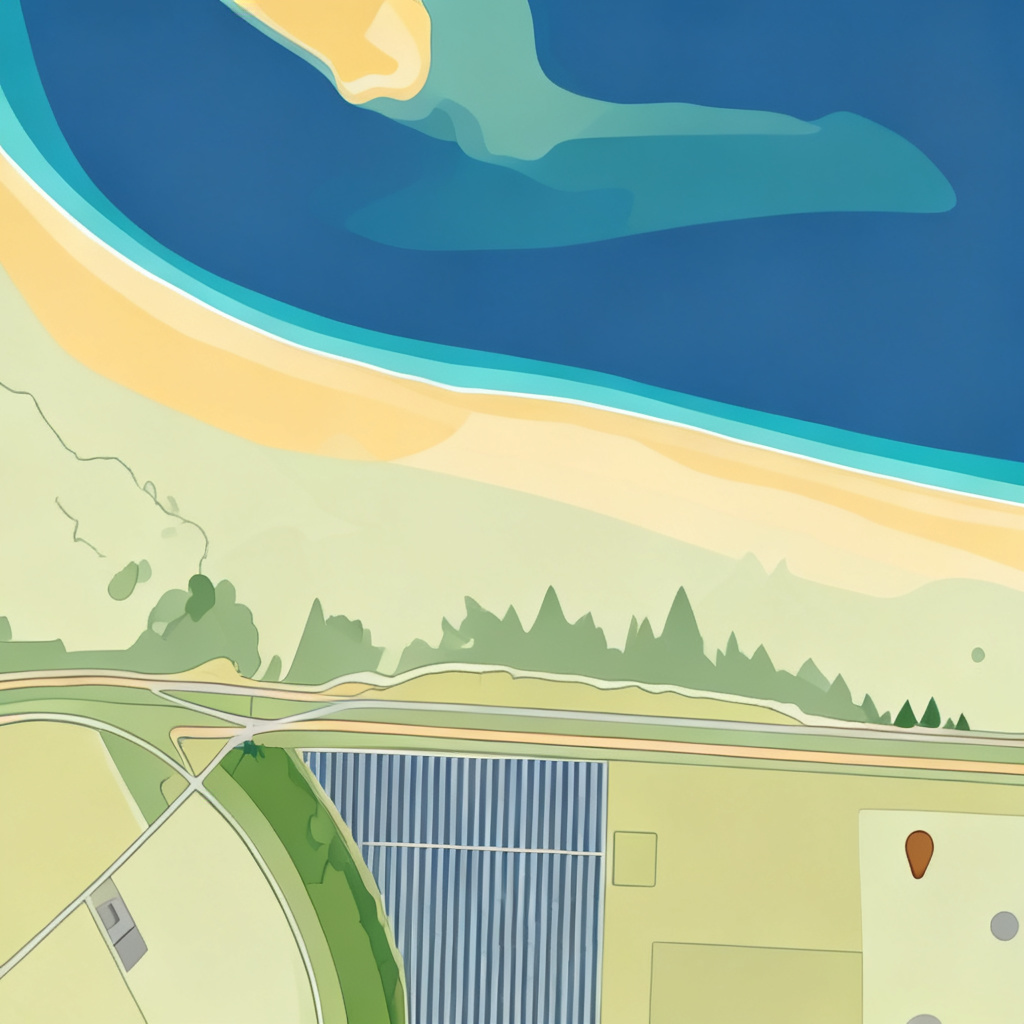
Tucked into the southwestern corner of Zeeland, Paulinapolder sits along the southern shore of the Westerschelde estuary — a flat, wind-swept slice of the Netherlands that rewards those willing to venture off the beaten kitesurf track. Getting here requires a bit of commitment. From Antwerp or Ghent, you'll cross into Dutch Zeeland via the N49/E34 and wind your way through polderland toward the village of Paulina, where the dyke road eventually delivers you to a parking area overlooking the estuary. The drive itself is part of the experience: endless skies, grazing cattle, and that unmistakable sense that the wind has been shaping this landscape for centuries. The launch at Paulinapolder is relatively straightforward, typically from a grassy or packed-earth area along the dyke. The Westerschelde here is wide and exposed, which means the wind gets a clean run across the water with minimal obstruction. Southwest to northwest winds are generally the most productive directions, and when a solid Atlantic low pushes through, sessions can be powerful and sustained. This is not always a beginner's playground — tidal currents in the Westerschelde can be significant, and the water is rarely flat. Expect choppy, textured conditions with occasional short wind swells, which makes it a solid spot for intermediate and advanced riders looking to work on their wave riding fundamentals or just put in some high-energy freeride miles. On the water, the estuary opens up generously in front of you, giving a good amount of room to ride. However, awareness is essential. Shipping traffic uses the Westerschelde as a major commercial waterway connecting the port of Antwerp to the North Sea, so large vessels pass through regularly. Keeping clear of the main channel and staying alert to ship movements is non-negotiable. Additionally, tidal timing can affect both the shoreline and current strength, so checking tide tables before launching is strongly recommended. The bottom is generally sandy with some muddy sections close to shore, which means self-landing or water re-launches can occasionally get messy. Booties are a sensible choice, especially in shoulder seasons. The area can also get cold — even in summer, a 3/2mm wetsuit is reasonable, and in autumn through spring a 5/4mm with hood and gloves is often the smarter call. Facilities at Paulinapolder are minimal. This is a quiet, rural spot with no dedicated kitesurf school or rental operation on-site, so come fully equipped and self-sufficient. The nearest towns — Biervliet and Terneuzen — offer basic services, fuel, and food. Parking along the dyke is typically free and uncomplicated. The best windows tend to fall between spring and early autumn when westerly systems deliver consistent wind without the harshest winter cold. Early mornings can be glassy and light, with conditions often building through the afternoon. Autumn sessions, when the crowds thin and the westerlies strengthen, have a particular appeal for those who enjoy raw, unfiltered North Sea kitesurfing energy. If you enjoy spots that feel discovered rather than developed, Paulinapolder has a quiet charm that's hard to replicate.
Local Tips
- safetyCheck tide tables before every session — tidal currents in the Westerschelde can be surprisingly strong and will affect how far you drift downwind, as well as water depth near the shoreline.
- safetyAlways monitor shipping traffic before launching and during your session. Large cargo vessels in the main channel move faster than they appear from shore and have very limited ability to manoeuvre. Stay well clear of the navigation channel.
- launchRig and walk your kite on the dyke or grassy area above the waterline where there is more space. The transition down to the water's edge can involve muddy, uneven ground — plan your launch path before you inflate.
- gearWear booties. The shoreline can be muddy and there may be debris or shells near the water's edge, particularly at lower tide. Booties also add warmth during cooler-season sessions.
- localBring everything you need with you — snacks, a dry bag, a change of clothes, and basic repair kit. The spot has no facilities on-site and the nearest services are a short drive away in Biervliet or Terneuzen.
- conditionsAutumn afternoons often deliver some of the most consistent westerly wind at this spot as Atlantic fronts push through. If the forecast shows a sustained southwest or west gradient building through midday, it can be worth timing your arrival for early afternoon.
- safetyThis is a self-rescue spot — there is no safety boat or rescue service dedicated to kiters here. Make sure your safety systems are fully functional, you are comfortable body dragging upwind, and ideally have a riding partner with you.
- conditionsWind in the Westerschelde estuary can occasionally gust unevenly, especially when a front is approaching or clearing. Starting conservatively with kite size and watching conditions for 10–15 minutes before launching is a sensible habit here.
Best Season
Check the Breeza app for the current rideable window at Paulinapolder.
World Ranking
RegionalNot globally ranked, but a kitesurf destination — a local favourite worth a check when the wind lines up.
Facilities & Services
What's on the ground near the launch, mapped from open data:
Facilities data © OpenStreetMap contributors
What is the best season to kitesurf at Paulinapolder?
Spring through early autumn (April to October) tends to offer the most accessible conditions, with westerly winds arriving reliably from Atlantic weather systems. Autumn can deliver strong, consistent sessions for more experienced riders, though temperatures drop quickly. Winter is possible for hardy kiters but requires full cold-water gear.
What skill level is Paulinapolder suitable for?
Paulinapolder looks best suited to intermediate and advanced kiters. Tidal currents in the Westerschelde can be strong, shipping traffic requires constant awareness, and conditions can be choppy and powerful during gusty westerlies. Beginners would be better off at a more sheltered, supervised location before tackling this spot.
Which wind directions work best at Paulinapolder?
Southwest to northwest winds are generally the most favoured directions, providing an onshore to side-onshore angle across the estuary. These directions allow the wind to build across open water before reaching the shore, often producing clean, sustained conditions. Easterly winds are less common and can create more cross-offshore scenarios requiring extra caution.
Are there any significant hazards to be aware of?
Yes, several. The Westerschelde is a busy commercial shipping lane, and large cargo vessels pass through regularly — always give them a very wide berth and never cross in front of a ship. Tidal currents can be strong and variable, so checking tide tables before launching is important. The shoreline near the water's edge can be muddy, and conditions can change quickly with passing weather systems.
What kite size should I bring to Paulinapolder?
A versatile quiver works well here. A 9m���11m kite covers the mid-range westerly conditions that are most common. For stronger Atlantic lows, a 7m or smaller can be appropriate. On lighter days, a 12m–14m may be needed. The estuary's exposure means conditions can build quickly, so having a smaller option available is always sensible.
Are there facilities at Paulinapolder — toilets, parking, food?
Facilities are basic. Parking along the dyke road is generally available and free. There are no dedicated kitesurf facilities, changing rooms, or on-site cafés at the spot itself. The nearby towns of Biervliet and Terneuzen have supermarkets, fuel stations, and cafés if you need to stock up before or after your session.
How do I get to Paulinapolder?
From Belgium, the most common route is via the N49/E34 into Zeeland, then following local roads toward Paulina near the Westerschelde shoreline. From the Dutch side, Terneuzen is a useful reference point. A GPS is helpful as the final approach follows dyke roads through rural polderland. Public transport options are very limited, so arriving by car is practically necessary.
What wetsuit thickness is recommended?
In summer (June to August), a 3/2mm wetsuit is typically sufficient. Spring and autumn call for a 4/3mm, and in winter a 5/4mm with hood and gloves is advisable. Water temperatures in the Westerschelde can feel cooler than open sea due to mixing with freshwater from the Scheldt river, so erring on the warmer side is rarely a bad idea.
Is there a kitesurf school or equipment rental at Paulinapolder?
There is no known dedicated kitesurf school or rental operation at Paulinapolder itself. This is a self-sufficient, independent spot. If you are looking for lessons or rental gear, checking options in larger Zeeland towns nearby — or at more established Zeeland kitesurf locations — would be the way to go.
What type of water conditions can I expect?
The Westerschelde at Paulinapolder tends to produce choppy, textured water with short wind swell during active wind conditions. Flat water is not the norm here. The wide estuary means there is plenty of room to ride, but the combination of current, chop, and vessel traffic means you need to stay alert throughout your session rather than switching to autopilot.
When is the best time to kitesurf at Paulinapolder?
Timing depends on local conditions. Check the Breeza app for the current rideable window at Paulinapolder — it reads the live forecast against your gear and level.
Is Paulinapolder suitable for beginner kiters?
Suitability depends heavily on the day's conditions. Breeza reads your level alongside the forecast and gives you an honest verdict — including when it's a no.
What wind direction works at Paulinapolder?
Wind direction is critical at Paulinapolder — the right angle makes the difference between a great session and an unsafe one. Breeza cross-references live wind direction against the spot's safe window to tell you if today's direction is rideable for your kite.
What kite size do you need at Paulinapolder?
Kite size at Paulinapolder depends on the day's wind strength and your weight. Most kiters rig between 10m and 14m. Breeza calculates the ideal size for your gear, so you know before you leave whether it's a go.
Is it safe to kitesurf at Paulinapolder?
Safety at Paulinapolder depends on conditions and your experience. Check for offshore-wind days, local hazards and emergency contacts before you launch. Breeza gives a rideability verdict that includes a safety flag when conditions are borderline for your level.
See if Paulinapolder is ridable right now — wind, direction, and a verdict for your gear.
Free · launching on iOS & Android
You've already got wind data — the hard part is knowing what it means for you. Most kiters end up checking two, three, four apps and still asking: can I actually go? Breeza was built by a kiter who had the same problem. Feed it your gear, weight and level and it tells you if Paulinapolder is rideable right now. The answer, not the tabs.
Join the waitlist App coming soon — be first to know when Paulinapolder is live.