Kitesurfing Blue Lagoon
South Sinai, Egypt
Wind & Conditions
About Blue Lagoon
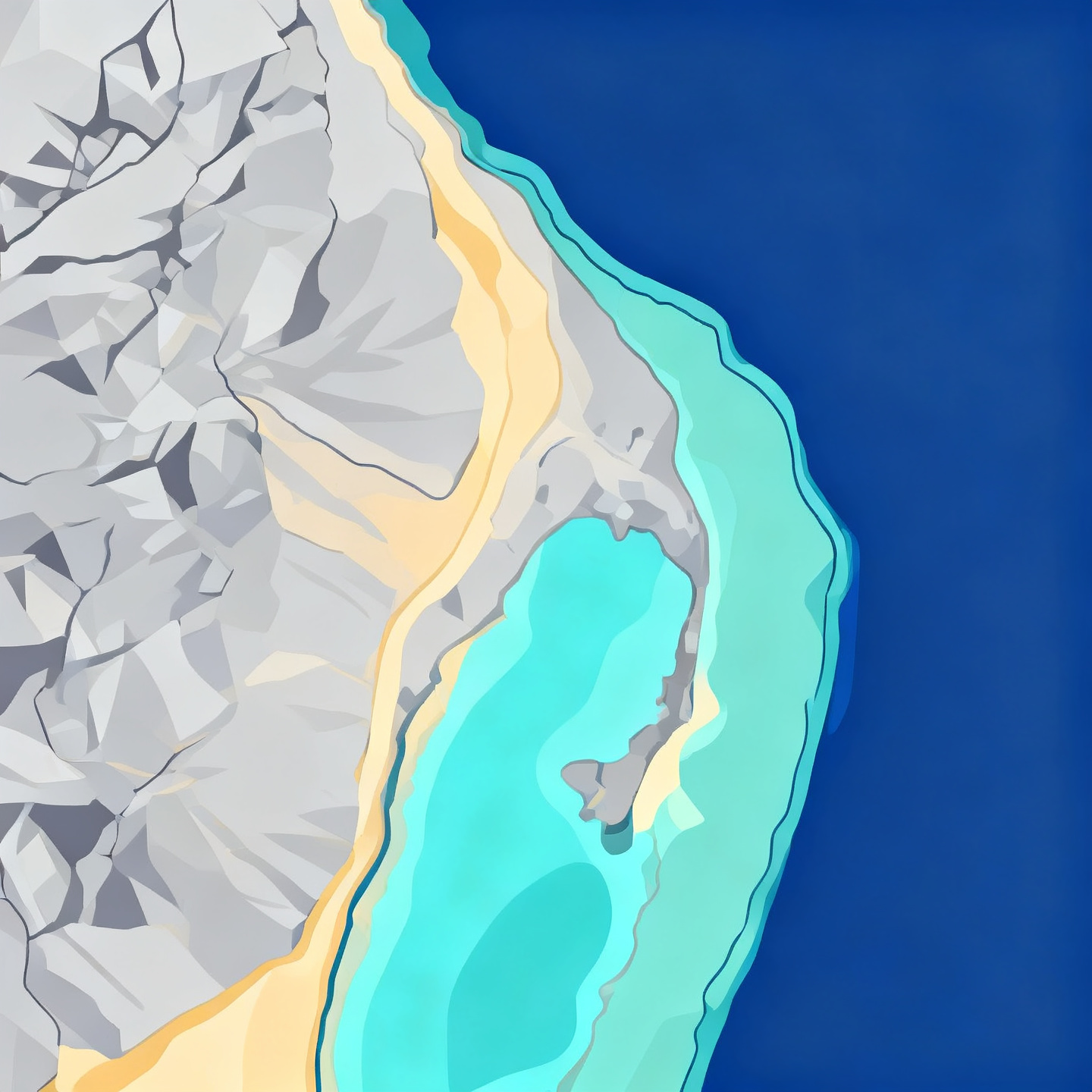
Tucked into a sheltered crescent of turquoise water along the Gulf of Aqaba in South Sinai, Blue Lagoon is one of Egypt's most visually striking kitesurf destinations. The name earns itself the moment you arrive — a semi-enclosed bay of shallow, crystal-clear water framed by arid desert mountains that glow amber and rust in the afternoon light. Getting here is part of the adventure. Most riders reach Blue Lagoon via a desert track south of Dahab, either by 4x4, quad bike, or with a local guide who knows the terrain. The road is unpaved and can be rough, so securing your gear properly before the drive is worth the extra five minutes. Once you arrive, the launch area is a sandy beach with a gradual slope into the water — generally forgiving for setting up and walking your kite down to the shoreline. The lagoon's partially enclosed shape means the surface is often flatter than open-water spots nearby, making it particularly appealing for those working on transitions, jumps, or just cruising without fighting constant chop. Water depth is shallow across much of the inner lagoon, which is both a comfort and a caution — ideal for getting back on the board after a fall, but something to respect if you're sending big jumps close to shore. Wind at Blue Lagoon is predominantly driven by the reliable northerly that sweeps down the Gulf of Aqaba, the same wind system that makes Dahab famous. In the lagoon itself, the surrounding topography can create some acceleration and slight direction shifts, so the first session or two are best used to read how the breeze behaves in the bay specifically. It tends to build through mid-morning and hold into late afternoon. Early mornings can be lighter, and conditions toward evening sometimes taper off. The spot looks good for intermediate and advanced riders. The shallow water offers a safety net of sorts, but the occasional gusty pockets and the remoteness of the location mean beginners should ideally come with an experienced friend or local instructor. There are no kite schools or rescue boats stationed at the lagoon itself — self-sufficiency matters here. Bring enough water and sun protection; the Sinai sun is intense and the desert setting offers almost no shade. Facilities are minimal to nonexistent depending on when you visit. Some days a small local vendor may be present with drinks and snacks, but you should not count on it. The nearest full services — accommodation, restaurants, equipment rental �� are back in Dahab, roughly 10 to 15 kilometres north depending on your route. Many kiters combine a Blue Lagoon session with a stay in Dahab, treating it as a day-trip spot. The best time to visit falls between April and October, when the northerly wind is most consistent. November through March can still produce good sessions but tends to be more variable. The sheer beauty of the setting — desert silence, impossibly blue water, almost no crowds — makes Blue Lagoon worth the effort even on a lighter wind day. Come prepared, come with a plan, and the lagoon will likely deliver one of the more memorable sessions you'll have in Egypt.
Local Tips
- safetyPack more water than you think you need. The desert setting offers almost no shade and the sun in Sinai is intense — dehydration can sneak up on you faster than expected, especially after a long session.
- localSecure all kite bags and gear inside your vehicle before the desert track drive. The unpaved access road is bumpy and anything loosely packed can shift or take damage before you even reach the water.
- conditionsSpend the first 15–20 minutes of your first session riding conservatively and observing how the wind behaves in the bay. The surrounding hills can create localised gusts and slight direction shifts that are worth mapping before you start pushing harder moves.
- safetyRide with a buddy or inform someone reliable of your plans and expected return time. The remote location means no on-site rescue — self-rescue skills and a safety leash in good working order are non-negotiable here.
- launchBe mindful of water depth, especially in the inner sections of the lagoon. The shallow bottom is great for standing up after falls, but sending big jumps in unknown shallow areas risks a hard landing. Scout the depth across the riding area early in your session.
- gearBring a 9–10m and a 12m kite if you can. Wind strength can vary between peak summer days and the shoulder season, and having two sizes means you won't be stuck on the beach if conditions shift from what you expected.
- conditionsArrive by mid-morning to make the most of the wind window. The northerly typically builds as the morning progresses and holds through the afternoon, but can ease off in the early evening. Early arrivals also get the pick of the launch area.
- localUse a local guide or driver for the first visit if you're unfamiliar with the desert tracks. Beyond navigation, a local contact can also advise on current conditions at the lagoon and any seasonal access considerations.
Best Season
Check the Breeza app for the current rideable window at Blue Lagoon.
World Ranking
RegionalNot globally ranked, but a kitesurf destination — a local favourite worth a check when the wind lines up.
What is the best season to kitesurf at Blue Lagoon, South Sinai?
April through October tends to offer the most consistent northerly winds, making it the preferred window for kitesurfing. Summer months (June–August) are typically the most reliable for wind, though temperatures are very high. Spring and early autumn offer a good balance of wind and comfort. Winter months can still produce sessions but conditions are more unpredictable.
Is Blue Lagoon suitable for beginner kitesurfers?
Blue Lagoon is best suited to intermediate and advanced riders. The shallow, flat water is appealing, but the remote location means no on-site rescue services or kite schools. Beginners should only visit with an experienced companion or a certified local instructor, and should have solid kite control before attempting the spot.
What wind direction is typical at Blue Lagoon?
The dominant wind is a northerly, channelled down the Gulf of Aqaba. This is the same reliable system that makes the wider Dahab area well known for kite and wind sports. The lagoon's topography can create minor acceleration and direction variations, so it's worth spending your first session reading the local behaviour of the wind in the bay.
What kite size should I bring to Blue Lagoon?
During peak summer months, a 9m or 10m kite is commonly used as the northerly can blow with decent strength. In the shoulder seasons of spring and autumn, a 12m offers more flexibility for lighter or variable conditions. Bringing two kite sizes if possible gives you the best coverage across different days.
How do I get to Blue Lagoon from Dahab?
Blue Lagoon is located south of Dahab along the Gulf of Aqaba coast. The access route involves an unpaved desert track that requires a 4x4 vehicle or quad bike. Many riders hire a local driver or guide familiar with the terrain. Secure all equipment well before the drive as the track can be bumpy.
Are there any hazards I should know about at Blue Lagoon?
The shallow water across much of the lagoon means reef or sandy bottom is not far below — be cautious about big jumps in shallow areas. The remote location means no rescue services on site. Gusty pockets can occur due to the surrounding hills. Intense sun and heat are also a real hazard; dehydration can set in quickly in the desert environment.
What facilities are available at Blue Lagoon?
Facilities are minimal. Occasionally a small local vendor offers drinks and snacks, but this is not guaranteed. There are no kite schools, rental shops, showers, or permanent food services at the spot itself. The nearest full range of facilities — accommodation, restaurants, gear rental, and instruction — is in Dahab, approximately 10–15 km away.
What is the water like at Blue Lagoon for kitesurfing?
The inner lagoon offers relatively flat, shallow, turquoise water that is ideal for practising transitions or freestyle moves without heavy chop. The semi-enclosed shape provides some protection from open-water swell. Water clarity is exceptional. Depth varies, so checking the shallower sections before riding is advisable.
Can I combine Blue Lagoon with a stay in Dahab?
Absolutely — this is the most common approach. Dahab offers a wide range of accommodation, restaurants, and kite infrastructure. Blue Lagoon works well as a half-day or full-day excursion from Dahab, allowing you to enjoy the quieter, more remote atmosphere of the lagoon and return to town for the evening.
Is Blue Lagoon crowded?
Blue Lagoon sees far fewer riders than central Dahab spots, partly due to the access effort required. On most days you can expect a relatively uncrowded session, which makes it particularly appealing for those who prefer space on the water. Weekends may occasionally bring more visitors, especially from nearby resorts.
When is the best time to kitesurf at Blue Lagoon?
Timing depends on local conditions. Check the Breeza app for the current rideable window at Blue Lagoon — it reads the live forecast against your gear and level.
Is Blue Lagoon suitable for beginner kiters?
Suitability depends heavily on the day's conditions. Breeza reads your level alongside the forecast and gives you an honest verdict — including when it's a no.
What wind direction works at Blue Lagoon?
Wind direction is critical at Blue Lagoon — the right angle makes the difference between a great session and an unsafe one. Breeza cross-references live wind direction against the spot's safe window to tell you if today's direction is rideable for your kite.
What kite size do you need at Blue Lagoon?
Kite size at Blue Lagoon depends on the day's wind strength and your weight. Most kiters rig between 10m and 14m. Breeza calculates the ideal size for your gear, so you know before you leave whether it's a go.
Is it safe to kitesurf at Blue Lagoon?
Safety at Blue Lagoon depends on conditions and your experience. Check for offshore-wind days, local hazards and emergency contacts before you launch. Breeza gives a rideability verdict that includes a safety flag when conditions are borderline for your level.
See if Blue Lagoon is ridable right now — wind, direction, and a verdict for your gear.
Free · launching on iOS & Android
You've already got wind data — the hard part is knowing what it means for you. Most kiters end up checking two, three, four apps and still asking: can I actually go? Breeza was built by a kiter who had the same problem. Feed it your gear, weight and level and it tells you if Blue Lagoon is rideable right now. The answer, not the tabs.
Join the waitlist App coming soon — be first to know when Blue Lagoon is live.