Kitesurfing Roompot
Zeeland, Netherlands
Wind & Conditions
About Roompot
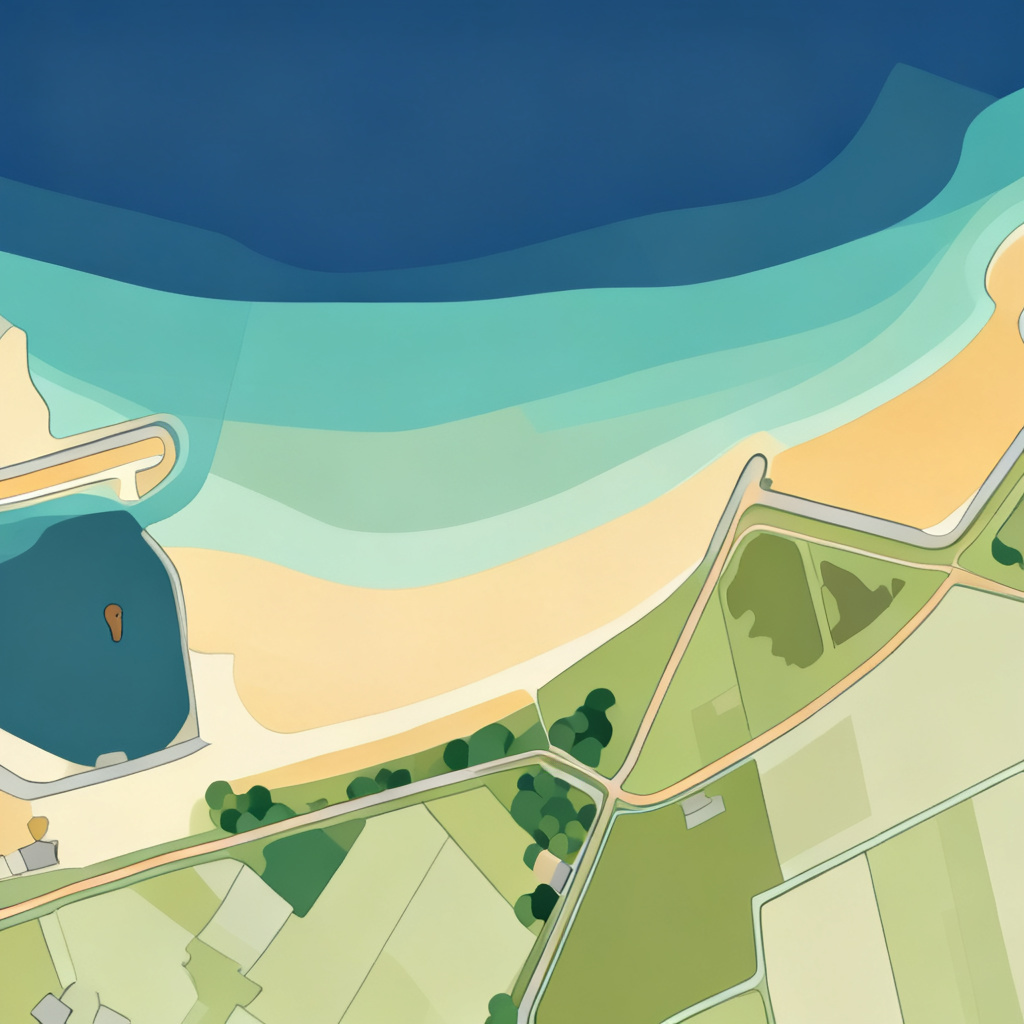
Tucked into the sheltered southwestern corner of the Netherlands, Roompot sits within the Oosterschelde estuary in Zeeland — a region that has quietly become one of Northern Europe's most interesting flatwater kite destinations. Getting here requires a journey through the Dutch delta landscape, crossing the iconic Zeelandbrug or threading through Kamperland before arriving at the wide, open shoreline where the Oosterschelde's calm waters stretch out in front of you. The approach alone sets the tone: flat polders, big skies, and a persistent North Sea breeze that funnels reliably across this tidal estuary. The launch area at Roompot is broad and generally uncrowded compared to busier Dutch spots. The beach transitions into firm, sandy flats at low tide, giving kiters plenty of room to rig and launch without the usual elbow-jostling. Timing your session around the tidal cycle matters here — the Oosterschelde is a tidal estuary, so water levels shift meaningfully across the day, and what looks like a generous sandbar at low tide can be knee-deep water a few hours later. A quick check of the tide tables before you go is genuinely useful rather than optional. On the water, Roompot rewards kiters with the Oosterschelde's signature shallow, relatively flat chop. When the southwest to west winds come through — the most common direction in this part of Zeeland — you'll find conditions that look promising for intermediate riders looking to lock in their upwind riding, work on transitions, or experiment with beginners' tricks without committing to heavy ocean swell. The water is rarely glassy, but the chop stays manageable in moderate winds, making it a more forgiving environment than the exposed North Sea beaches further north. In stronger blow — and Zeeland can absolutely deliver that — things get lively quickly, and the tidal currents add an extra consideration for anyone pushed downwind. Hazards are worth understanding before you launch. The Oosterschelde is an active waterway: kite shipping lanes, ferry routes, and the occasional recreational boat mean you need solid situational awareness. Shallow sections at low tide can surprise riders who drift toward the edges of the bay, and the tidal flow can be deceptively strong when it's running. Staying within the designated kite zones and keeping a wide buffer from the water's edge obstacles is straightforward common sense here. Back on shore, the Roompot area offers genuine comfort after a session. Beach Club Bestevaer is the spot for a proper post-kite meal or a cold drink with a view — it has the relaxed, sun-bleached energy you'd want after an afternoon on the water. The Snack Bar covers the quick hunger fix, and Terrascafé is worth knowing for a casual coffee or something light. The whole area has a holiday-park atmosphere that keeps things laid-back rather than rushed. Best conditions tend to arrive between May and September, when southwestern airflows are more consistent and water temperatures become genuinely manageable in a 3mm wetsuit. Spring and autumn can deliver excellent sessions with fewer crowds, though a thicker suit becomes advisable. For anyone based in the Netherlands or making a kite trip through Zeeland, Roompot is a solid stop — approachable, scenic, and reliably interesting.
Local Tips
- conditionsCheck local tide tables before every session — low tide at Roompot creates wide flat launch areas and shallower riding water, while high tide significantly reduces beach space and alters current patterns.
- safetyScan for boat traffic before and during your session. The Oosterschelde is an active waterway and vessels can appear from multiple directions, particularly around the channel markers.
- launchRig away from the water's edge to give yourself a clear downwind buffer during launch. The beach width varies with tide, so choose your rigging spot based on conditions when you arrive rather than assuming fixed space.
- gearBring a quiver if possible — Zeeland conditions can shift from a 12m day to a 9m afternoon as fronts pass through. A single-kite visit is manageable, but sizing slightly conservatively tends to pay off.
- gearEven in summer, pack a 3mm wetsuit minimum. The Oosterschelde water can feel colder than the air temperature suggests, especially on windier days, and a thin suit makes a meaningful difference to session length.
- localBeach Club Bestevaer is worth timing your session around — it's a genuinely pleasant spot for a post-kite meal with a view, and afternoon sessions that finish around sunset tend to line up nicely with the early evening atmosphere there.
- safetyKeep a close eye on your downwind drift. Tidal current combined with wind can push you further along the estuary than expected, and getting back upwind in strong flow can be demanding. Know your exit point before you launch.
- launchCheck for posted kite zone signage on arrival rather than assuming last season's boundaries still apply — restrictions in Zeeland's protected estuary areas can change seasonally.
Best Season
Check the Breeza app for the current rideable window at Roompot.
World Ranking
RegionalNot globally ranked, but a kitesurf destination — a local favourite worth a check when the wind lines up.
Facilities & Services
What's on the ground near the launch, mapped from open data:
Nearby spots to eat, drink & learn
- Beach Club Bestevaer Restaurant
- Snack Bar Restaurant
- Terrascafé Restaurant
Facilities data © OpenStreetMap contributors
What is the best season to kitesurf at Roompot?
The window from May through September generally offers the most consistent conditions, with southwesterly winds arriving with reasonable regularity and water temperatures that are manageable in a 3mm wetsuit. Early autumn — September and October — can deliver excellent uncrowded sessions, though you'll want a 4/3mm or thicker suit as temperatures drop. Winter kitesurfing is possible for experienced cold-water riders but demands a 5mm setup and solid experience with variable North Sea weather patterns.
What skill level is Roompot suited for?
Roompot looks like a good match for intermediate riders, particularly those consolidating upwind skills and transitions in relatively flat estuary conditions. The shallow, manageable chop is forgiving compared to open North Sea beaches. That said, tidal currents, boat traffic, and the potential for strong winds mean complete beginners should ideally have supervised instruction rather than learning independently here. Advanced riders may find it a useful flatwater training ground rather than a high-adrenaline destination.
Which wind direction works best at Roompot?
Southwesterly to westerly winds are the most common and tend to work well for the Roompot shoreline, offering a reasonably side-onshore angle depending on where you launch. Northwesterly winds can also produce good sessions. Onshore winds require more caution given the shallow tidal nature of the estuary, and any offshore component should be treated carefully given the waterway extends broadly and currents can push you further out than expected.
What are the main hazards to be aware of?
The Oosterschelde is a working waterway with boat traffic including ferries and recreational vessels, so strong situational awareness is essential. Tidal currents can be surprisingly strong when running and will affect your drift if you lose power. Shallow sandbanks shift with the tide and can catch riders off guard at low water. Always check current kite zone designations on arrival and maintain clear distance from non-kiting beachgoers and moored vessels.
How do tides affect a session at Roompot?
Tides have a meaningful impact here. Low tide exposes wide sandy flats that create more rigging space and shallower water for riding, while high tide raises water levels noticeably and can reduce the usable beach area. Tidal currents also run through the estuary and can complicate body drags or extended downwind drifts. Checking a local tide table before each session — freely available online — is strongly recommended.
What kite size should I bring to Roompot?
Zeeland is a windy province, and the Oosterschelde can accelerate and gust depending on the synoptic setup. A quiver covering roughly 9m to 12m tends to cover the majority of sessions for an 80kg rider, with a larger 14m or 15m useful for lighter summer days. Conditions can swing quickly, so if you're bringing one kite, erring slightly smaller than your usual medium-wind choice is a reasonable precaution. Always check a forecast before rigging to get a realistic sense of the day's range.
How do I get to Roompot?
Roompot is located near Kamperland on Noord-Beveland in Zeeland, accessible by car via the N256 from the A58 motorway. From the broader Netherlands, Zeeland is well connected by motorway, and the drive from Antwerp or Rotterdam takes roughly an hour to ninety minutes depending on your starting point. Parking is available in the Roompot area. Public transport options to this specific spot are limited, so arriving by car or campervan is by far the most practical approach.
What facilities are available at Roompot?
The Roompot area has a solid set of on-shore facilities for a kite session. Beach Club Bestevaer serves as the main dining and drinks option with a waterfront setting that's genuinely pleasant post-session. A Snack Bar covers quick food needs, and Terrascafé is a good option for coffee or lighter bites. The broader Roompot holiday park complex means toilets, showers, and basic supplies are within reasonable reach. There is no dedicated kite school or rental facility confirmed on-site, so bring your own gear.
Are there kite zones or rules at Roompot?
Zeeland applies designated kite zones across much of its coastline and estuary waters, and Roompot falls within this regulatory framework. On arrival, check any posted signage for current zone boundaries, seasonal restrictions, and any local rules in effect. The Oosterschelde also falls under national park protection in parts, which can affect where launching and riding are permitted. When in doubt, observe where other kiters are launching and ask locally.
Is Roompot suitable for a kitesurf holiday or just a day trip?
Roompot can work well as either. The holiday park infrastructure makes it a comfortable base for a multi-day Zeeland kite trip, with other spots like Veerse Meer and the North Sea beaches of Walcheren within easy driving distance. As a day trip from cities like Rotterdam, Utrecht, or Antwerp it's a manageable drive. The combination of flat estuary water, reliable wind, and decent facilities makes it worth building into a broader Zeeland kite itinerary rather than treating as a one-off stop.
When is the best time to kitesurf at Roompot?
Timing depends on local conditions. Check the Breeza app for the current rideable window at Roompot — it reads the live forecast against your gear and level.
Is Roompot suitable for beginner kiters?
Suitability depends heavily on the day's conditions. Breeza reads your level alongside the forecast and gives you an honest verdict — including when it's a no.
What wind direction works at Roompot?
Wind direction is critical at Roompot — the right angle makes the difference between a great session and an unsafe one. Breeza cross-references live wind direction against the spot's safe window to tell you if today's direction is rideable for your kite.
What kite size do you need at Roompot?
Kite size at Roompot depends on the day's wind strength and your weight. Most kiters rig between 10m and 14m. Breeza calculates the ideal size for your gear, so you know before you leave whether it's a go.
Is it safe to kitesurf at Roompot?
Safety at Roompot depends on conditions and your experience. Check for offshore-wind days, local hazards and emergency contacts before you launch. Breeza gives a rideability verdict that includes a safety flag when conditions are borderline for your level.
See if Roompot is ridable right now — wind, direction, and a verdict for your gear.
Free · launching on iOS & Android
You've already got wind data — the hard part is knowing what it means for you. Most kiters end up checking two, three, four apps and still asking: can I actually go? Breeza was built by a kiter who had the same problem. Feed it your gear, weight and level and it tells you if Roompot is rideable right now. The answer, not the tabs.
Join the waitlist App coming soon — be first to know when Roompot is live.