Kitesurfing Alacati bay
Turkey
Wind & Conditions
About Alacati bay
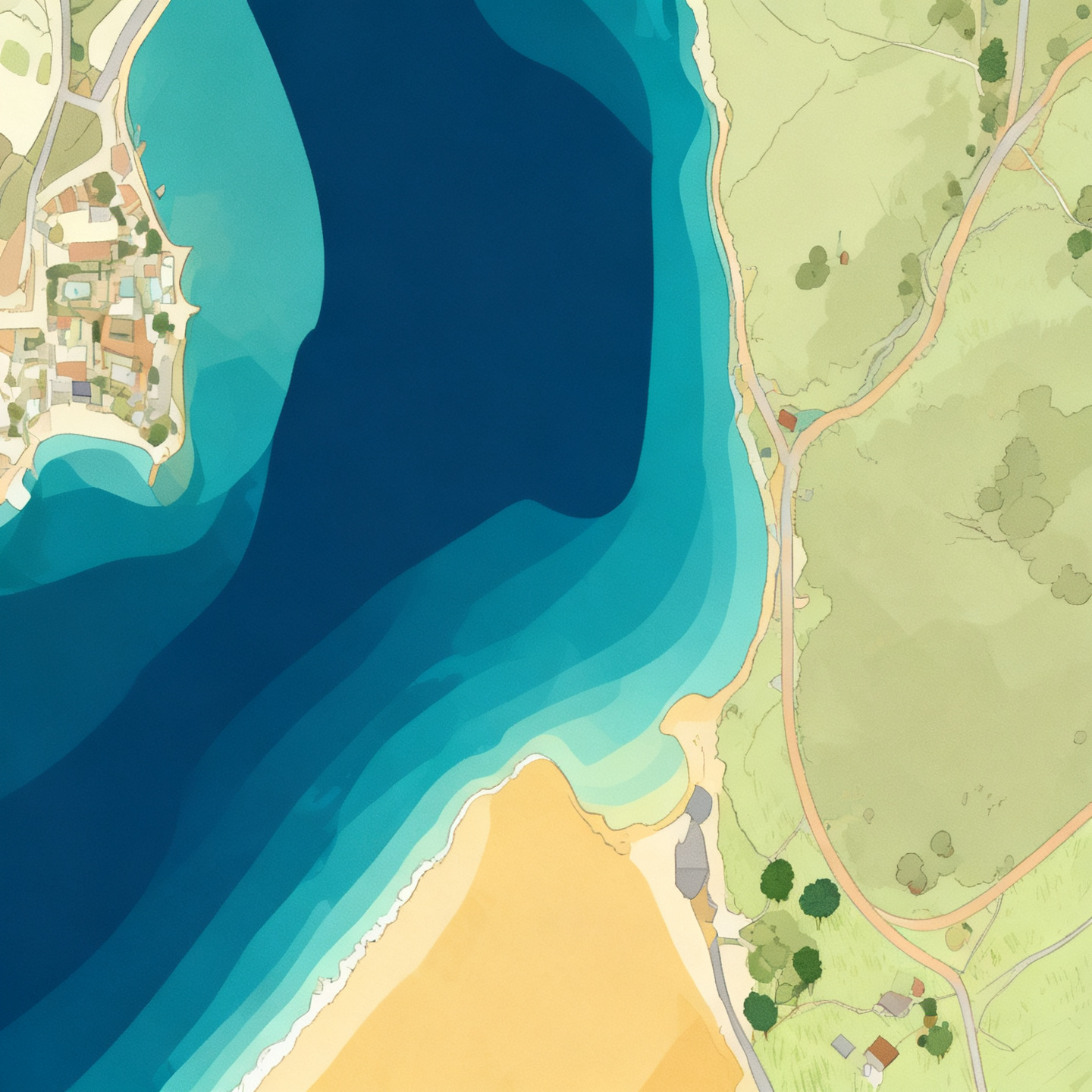
Tucked into the western Aegean coast of Turkey, Alacatı Bay is one of those rare spots that feels purpose-built for wind sports. Set within the Çeşme Peninsula, roughly 80 kilometres west of İzmir, the bay draws kitesurfers, windsurfers and foilers from across Europe and beyond — and once you arrive, it's easy to understand why. The drive from İzmir's Adnan Menderes Airport takes around an hour, winding through olive groves and vineyard-studded hillsides before the turquoise shimmer of the bay comes into view. Alacatı town itself is worth the journey alone: cobblestone streets, bougainvillea-draped stone houses and excellent mezze restaurants create a backdrop that few kite destinations can rival. The bay sits in a natural wind funnel shaped by the surrounding hills and the open Aegean, and this geography is what makes it special. The dominant summer wind is the Imbat — a reliable thermal breeze that typically builds through the late morning and peaks in the afternoon before easing towards sunset. This pattern makes early mornings calm and predictable, giving you time to rig up without rushing. Wind strength generally ranges between 15 and 25 knots during peak season, though it can push stronger on particularly good days. The direction tends to be predominantly from the north-northwest, which keeps the bay in a consistent cross-to-cross-onshore flow — a reassuring factor for those who prefer not to drift too far downwind. The water inside the bay is famously flat and shallow over much of its expanse, making it an attractive proposition for freestylers, beginners working on water starts, and foilers hunting glassy conditions. Further out towards the bay entrance, a small chop builds that suits those looking to practise jumps or add some variety to a session. Launching is typically done from a sandy beach area with dedicated schools and rental centres nearby, so getting sorted with equipment or a lesson is straightforward. The launch zone can get busy during high season — July and August see the highest concentration of riders — so patience and good spatial awareness on the water are important. For hazards, the shallow sections demand respect, particularly during low tide when hidden sandbanks can appear closer to the surface. Boat traffic around the bay's edges is worth monitoring, especially in the busiest summer months. Beginners should consider taking a lesson with one of the local schools before venturing far, as the bay's reputation as 'easy' can occasionally be misleading when afternoon winds pick up sharply. Facilities around the beach are well developed by Turkish coastal standards. Expect to find kite schools, equipment rental, showers, sun loungers and a selection of beachside cafes and bars. Accommodation ranges from boutique guesthouses in the old town to modern hotels closer to the waterfront. The best window for kitesurfing typically runs from May through to October, with June, July and September often offering the most consistent wind without the absolute peak-season crowds of August. Spring and autumn shoulder months can be quieter and equally rewarding for those willing to be flexible.
Local Tips
- launchArrive at the beach early — ideally before noon — to claim a good rigging spot before the afternoon crowd arrives and the Imbat picks up. The calm morning window also gives you time to assess conditions without pressure.
- safetyWear water shoes or booties during your first sessions. The sandbanks in the shallower sections of the bay can surprise you, and the seabed is not always as forgiving as it looks from the surface.
- gearBring at least two kite sizes if you can. A 10–12m for moderate days and a 7–9m for when the Imbat really kicks in will cover the majority of conditions you're likely to encounter across a week's stay.
- localBook your accommodation in Alacatı old town rather than right on the waterfront if you want a more authentic experience. It's only a short ride to the beach and you'll have access to far better restaurants and evening atmosphere.
- conditionsThe afternoon wind tends to peak between roughly 2pm and 6pm during summer. If you prefer a more mellow session, getting on the water by 11am or 12pm gives you the building phase of the Imbat before conditions get more demanding.
- safetyKeep a close eye on boat traffic near the bay entrance and along the eastern edge of the bay. Pleasure boats and ferries move through the area, particularly in the afternoon hours when wind is strongest and visibility can be distracted.
- localIf you're new to the spot, consider a short introductory session with one of the local schools even if you're already an experienced rider. Local instructors know the sandbank locations, tide patterns and traffic flows better than any map can convey.
- gearA directional board or surfboard can add variety to your quiver at Alacatı. When the afternoon chop builds towards the bay mouth, there are enjoyable wave-like conditions that reward a more surf-oriented riding style.
Photos

Best Season
Check the Breeza app for the current rideable window at Alacati bay.
World Ranking
RegionalNot globally ranked, but a kitesurf destination — a local favourite worth a check when the wind lines up.
Facilities & Services
What's on the ground near the launch, mapped from open data:
Nearby spots to eat, drink & learn
- Ali Baba Restaurant
- Alaçatı Kafası TAOS Bar / Café
- Panderas Bar / Café
- Rise Bar / Café
- TAOS Beach Bar / Café
- Veranda Alaçati Bar / Café
- Zilly Bar / Café
Facilities data © OpenStreetMap contributors
When is the best time of year to kitesurf at Alacatı Bay?
The main kite season runs from May through to October. June, July and September are generally considered the sweet spot — the Imbat thermal wind is reliably active, water temperatures are warm, and the bay is busy but not overwhelmed. August brings peak crowds. Spring and early autumn can offer quieter sessions with similar wind quality.
What skill level is Alacatı Bay suitable for?
Alacatı looks good for a wide range of riders. The flat, shallow inner bay is particularly welcoming for improvers and those working on technique, while the stronger afternoon gusts and small chop further out can challenge more experienced riders. Complete beginners should start with a lesson from one of the local schools. The bay can get busy, so good kite control and spatial awareness are always important.
What wind direction and type should I expect?
The dominant summer wind is the Imbat, a classic Aegean thermal breeze that blows from the north-northwest. It typically builds from late morning, peaks in the afternoon and drops towards evening. This creates a reliable daily pattern that suits planning your sessions. The bay's geography acts as a natural funnel, which helps keep the wind consistent, though gusts and lulls are still possible.
What kite size should I bring to Alacatı Bay?
A 9m to 12m kite covers most days during peak season when the Imbat is running at 15–25 knots. On stronger days — which do occur — a 7m or 8m can come into play. It's worth having at least two kite sizes available if you're staying for a week or more. Local rental shops can also help bridge the gap if you're travelling light.
Are there kite schools and equipment rental at the spot?
Yes, Alacatı has a well-established kitesurf scene with multiple schools and rental centres operating on and near the beach. You can find lessons for all levels, guided sessions, and equipment hire. Booking ahead during July and August is advisable as schools fill up quickly in peak season.
What are the main hazards at Alacatı Bay?
The shallow sandbanks across parts of the bay can catch riders off guard, especially at lower tides, so wearing board shorts or impact shorts is sensible. Boat traffic around the bay edges increases in summer and requires awareness. The launch beach can be crowded, so always be mindful of right-of-way and give other riders plenty of space. Wind can build sharply in the afternoon — be prepared for conditions to change.
How do I get to Alacatı Bay?
The nearest major airport is İzmir Adnan Menderes Airport (ADB), which has good connections across Europe. From the airport, Alacatı is roughly a 60–80 minute drive west along the Çeşme Peninsula. Rental cars are widely available, taxis are an option, and some hotels offer transfers. The town of Alacatı itself is a short drive or cycle from the main beach area.
What are the launch conditions like at Alacatı?
The main launch area is a sandy beach with generally enough space to rig and launch comfortably, though it can get congested during busy summer afternoons. It's worth arriving a little earlier in the day to claim a good spot, rig up while conditions are still calm, and get on the water before the main rush. Local school staff and beach marshals can usually help with launches if needed.
What else is there to do in Alacatı beyond kitesurfing?
Alacatı town is genuinely one of the most charming spots on the Turkish Aegean coast. The old stone village centre is full of boutique shops, wine bars, and excellent restaurants serving fresh seafood and regional mezes. The wider Çeşme Peninsula has other beaches and bays worth exploring. It's a destination that rewards non-kiting days as much as time on the water.
Is Alacatı Bay suitable for foiling?
The flat, shallow inner bay and consistent thermal wind make Alacatı a popular choice for foil kitesurfers and wingfoilers. The calm morning window before the main thermal builds can be particularly good for foil sessions. Be mindful of other water users and the shallower sections when foiling, especially at speed.
When is the best time to kitesurf at Alacati bay?
Timing depends on local conditions. Check the Breeza app for the current rideable window at Alacati bay — it reads the live forecast against your gear and level.
Is Alacati bay suitable for beginner kiters?
Suitability depends heavily on the day's conditions. Breeza reads your level alongside the forecast and gives you an honest verdict — including when it's a no.
What wind direction works at Alacati bay?
Wind direction is critical at Alacati bay — the right angle makes the difference between a great session and an unsafe one. Breeza cross-references live wind direction against the spot's safe window to tell you if today's direction is rideable for your kite.
What kite size do you need at Alacati bay?
Kite size at Alacati bay depends on the day's wind strength and your weight. Most kiters rig between 10m and 14m. Breeza calculates the ideal size for your gear, so you know before you leave whether it's a go.
Is it safe to kitesurf at Alacati bay?
Safety at Alacati bay depends on conditions and your experience. Check for offshore-wind days, local hazards and emergency contacts before you launch. Breeza gives a rideability verdict that includes a safety flag when conditions are borderline for your level.
See if Alacati bay is ridable right now — wind, direction, and a verdict for your gear.
Free · launching on iOS & Android
You've already got wind data — the hard part is knowing what it means for you. Most kiters end up checking two, three, four apps and still asking: can I actually go? Breeza was built by a kiter who had the same problem. Feed it your gear, weight and level and it tells you if Alacati bay is rideable right now. The answer, not the tabs.
Join the waitlist App coming soon — be first to know when Alacati bay is live.